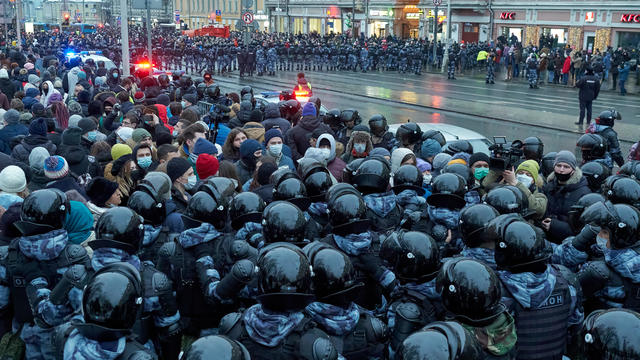
Russia accuses U.S. of "interference" after huge opposition protests
Despite thousands being detained at huge rallies, supporters of jailed dissident Alexey Navalny are planning to hit the streets again.
Watch CBS News
Despite thousands being detained at huge rallies, supporters of jailed dissident Alexey Navalny are planning to hit the streets again.
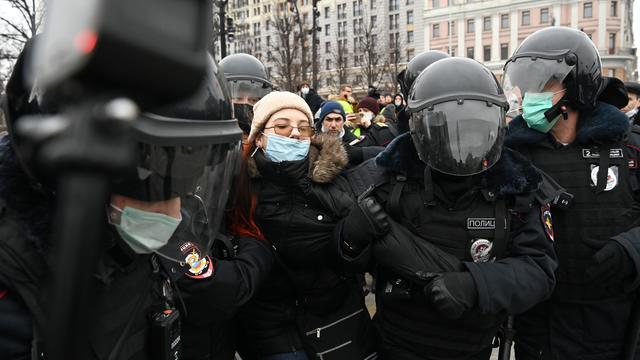
President Putin's most prominent foe was arrested on January 17 when he returned to Moscow from Germany, where he spent months recovering from nerve-agent poisoning.
Social media giants like Facebook and Twitter are cracking down on far-right extremists and other violent groups after the assault on the U.S. Capitol earlier this month. But many of those groups are finding ways to adapt their online presence using encrypted apps. CBSN's Lana Zak spoke with Michael Daniel, the CEO of Cyber Threat Alliance, about the danger this poses to national security.
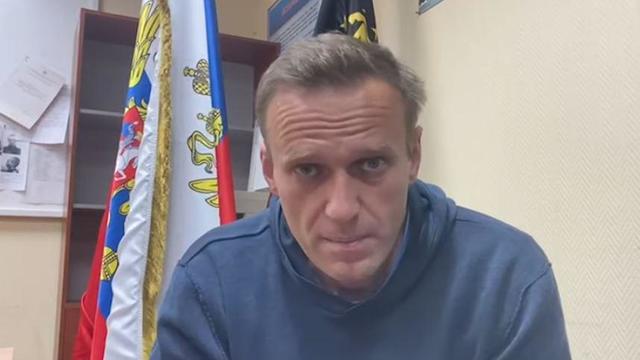
Close allies of the fierce Putin critic are rounded up, activists and journalists warned to stay home, and social media companies ordered not to publicize the protests.
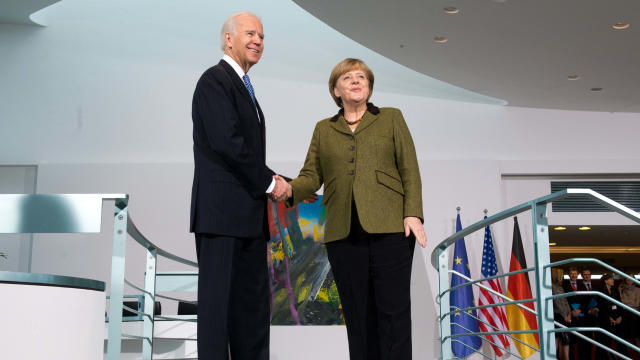
"After 4 long years, Europe has a friend in America," said one top EU leader. But will our oldest friends ever think of us as they did before?
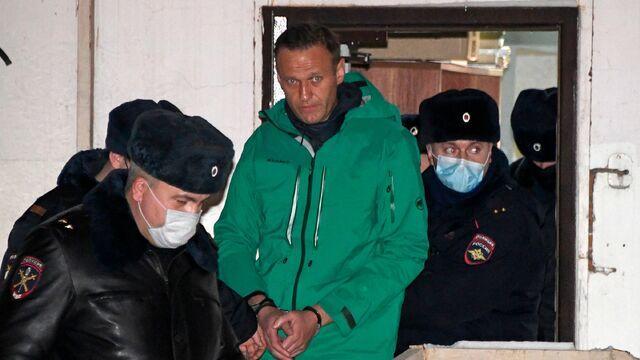
Russian opposition leader Alexey Navalny told supporters to take to the streets after he was arrested upon his return to Moscow. Also, Italy's prime minister is barely holding onto power, and China and the World Health Organization are coming under fire for not acting quicker to contain the COVID-19 pandemic. Meanwhile, some tennis players aren't being allowed to leave quarantine to practice for the Australian Open because passengers on their flights tested positive for the coronavirus. CBS News foreign correspondent Ian Lee joins CBSN AM from London with those stories.
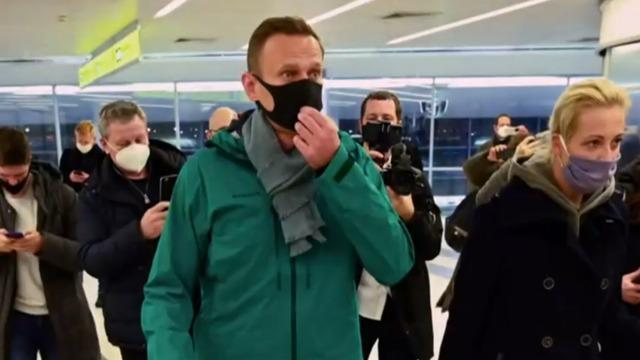
Russian opposition leader Alexey Navalny has been detained upon his return to Moscow from Germany, where he was recovering from a nerve agent poisoning. CBS News senior foreign correspondent Charlie D'Agata reports.
Putin's No. 1 foe, detained in Moscow after poisoning, says he's "seen a lot of mockery of justice," but calls his sudden appearance before a judge "the highest degree of lawlessness."
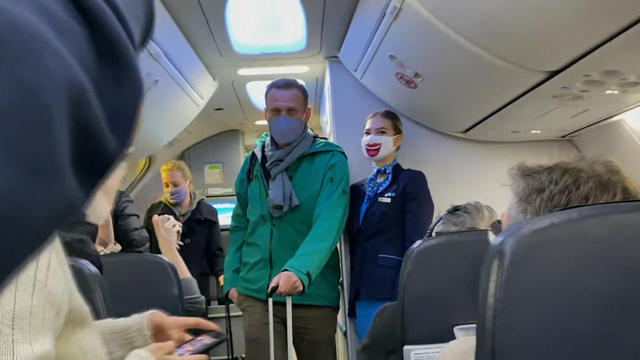
Kremlin critic Alexey Navalny was detained in Moscow after flying back from Germany, where he spent five months recovering from a poisoning that nearly killed him. Elizabeth Palmer reports.
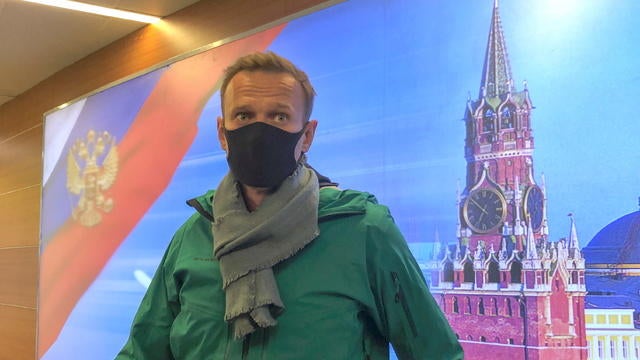
Russian opposition leader Alexey Navalny returned to Moscow on Sunday for the first time since he was poisoned this summer by a Soviet-era nerve agent. He was immediately taken into custody.
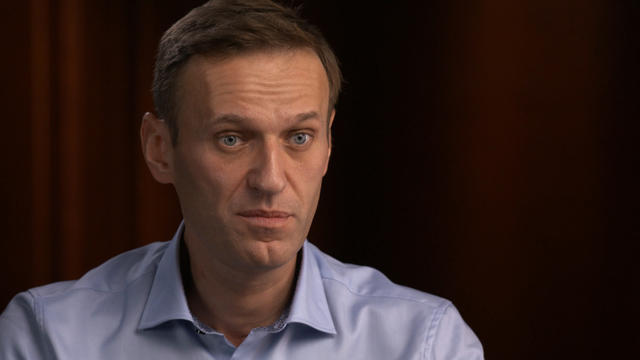
The Russian opposition leader says the Kremlin is doing everything it can to prevent him from returning to Russia after surviving an August assassination attempt.
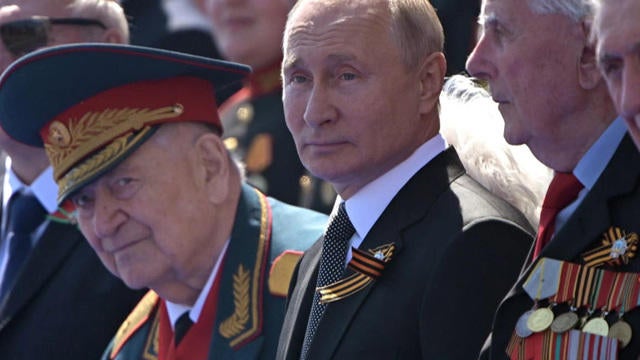
Russia has announced it will follow the Trump administration's move to walk away from the Open Skies international arms control treaty. The 1992 agreement has allowed countries to fly unarmed surveillance planes over each other's territory.
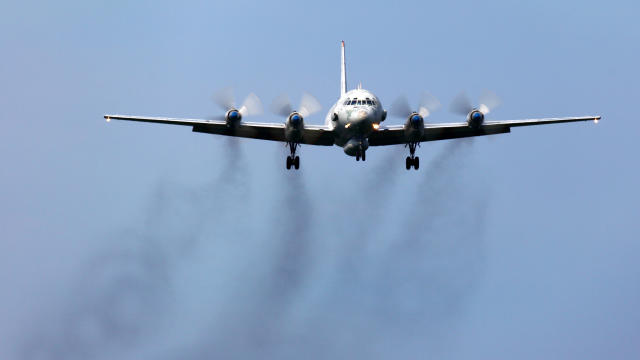
For years, Moscow and Washington have blamed each other for letting arms control agreements fall by the wayside. There's only one left.
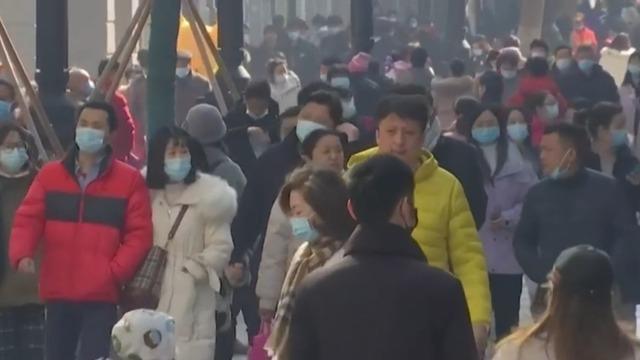
China has blocked a World Health Organization team of experts conducting an investigation into the origin of the coronavirus from entering the country. In Hong Kong, police arrested at least 53 pro-democracy activists. And U.S. intelligence agencies have formally named Russia as the likely source of the massive cyber-hack revealed in December 2020. CBS News foreign correspondent Roxana Saberi joins CBSN AM from London with those stories.
Cybersecurity experts discuss the national security implications of the suspected Russian breach — a "cyber virus" — that has infected the computer systems of more than 18,000 private and government customers.

Russian leader signs laws expanding his government's power to label individuals and organizations "foreign agents," in what one rights group calls a "witch hunt."
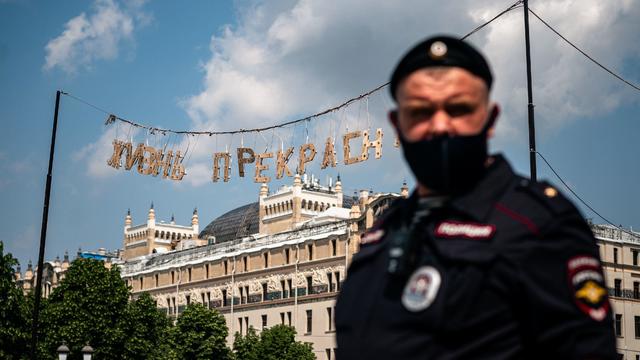
New stats are much higher than the 55,827 deaths in the pandemic that have been reported by the Russian government's coronavirus task force.
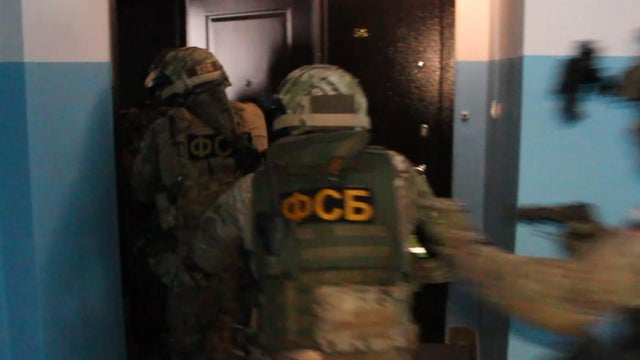
The operation to dismantle an international drug smuggling network was an unusual show of cooperation between Washington and Moscow.
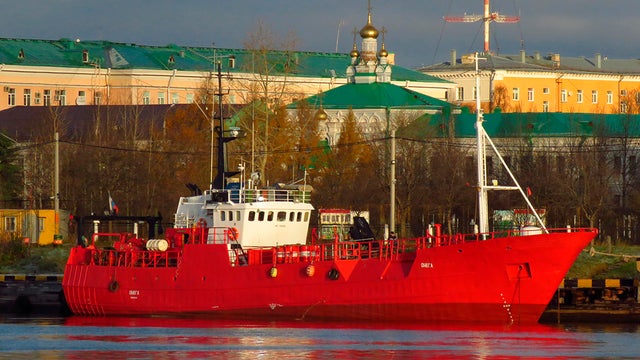
Officials said that two people had been rescued, but hopes were quickly fading that more survivors could be found during a snowstorm over the Arctic waters.
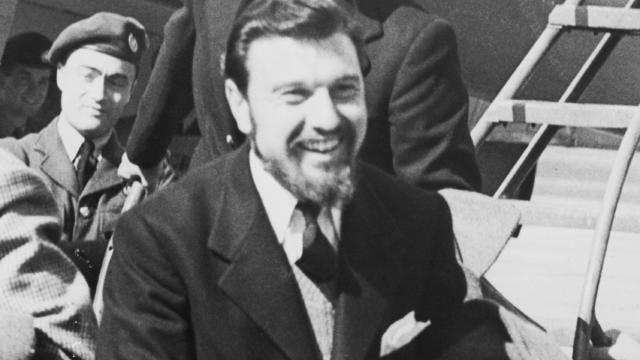
In 1966, George Blake escaped from prison and was later driven to East Berlin inside a wooden box attached under a car.
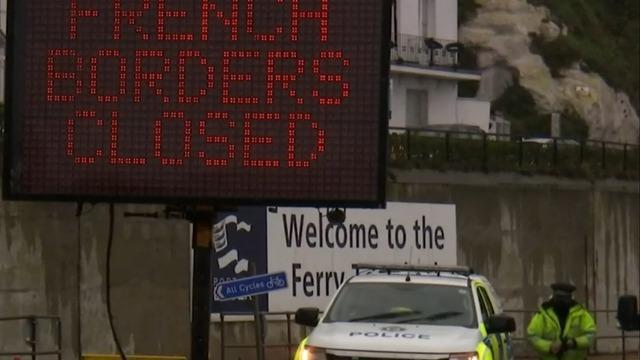
A new variant of COVID-19 is spreading in the United Kingdom, prompting border closings. Doctors in Kenya joined a nationwide strike over lack of PPE. Russian opposition leader Alexei Navalny tricked a government agent into revealing the details of an assassination plot. And Spain is set for its biggest lottery draw of the year. CBS News foreign correspondent Ian Lee joins CBSN AM with a roundup of headlines from around the world.

Email accounts of top Treasury Department officials were infiltrated for months in the massive hacking attack that was recently uncovered, raising fears that hackers possibly linked to Russia stole sensitive information with major financial implications. CBSN technology reporter Dan Patterson joins CBSN AM's Anne-Marie Green to talk about the latest developments.
Sanctions come after Navalny released a video in which an alleged FSB agent admits they placed poison in Navalny's underwear in August.

Cybersecurity experts say the economic, societal, and military impact of this hack cannot be overemphasized.
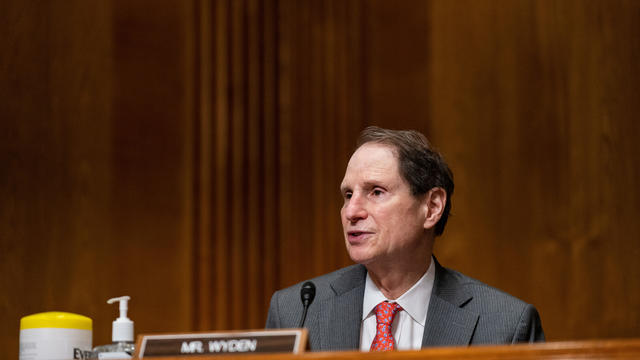
Senator Ron Wyden said the "full depth" of the Treasury hack "isn't known."