As Taliban doles out lashings, crackdown on Afghan women and girls continues
Public beatings, unexplained arrests of female activists and a litany of new restrictions are all part of the Taliban's bid "to forcefully silence women."
Watch CBS News
Public beatings, unexplained arrests of female activists and a litany of new restrictions are all part of the Taliban's bid "to forcefully silence women."

One video posted online shows a woman saying security "forces shot my child," rejecting regime claims that the 9-year-old was killed by terrorists.
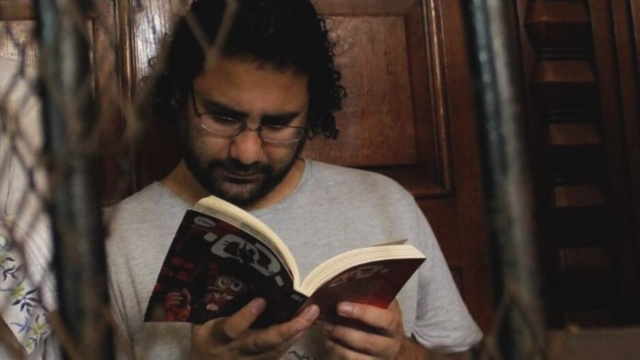
Alaa Abdel-Fattah's family said they saw him on Thursday.

"The international community must strongly warn the Islamic Republic of the consequences of executing protesters," a rights group said.

From paintings in Chicago to graffiti in Tehran and viral songs echoing around the world, Iranian artists are helping a long-silenced nation "to speak up."

Videos of young Iranians knocking turbans off the heads of Islamic clerics have gone viral in the latest show of defiance against a regime facing a serious challenge.

"I will stay," declared the long-time celebrity. "I will stand by the families of prisoners and those killed. I will be their advocate."

The head of the U.N.'s human rights office says activist Alaa Abdel-Fattah's life "is in great danger."
With more than 1,000 people indicted over their role in the protests, a judiciary official vowed to "deal with" them "in a firm, deterrent and legal manner."

Despite the arrests, activists got onto signs over a London highway and begged commuters to aim their "anger and hatred" at leaders licensing new fossil fuel extraction.
A protest movement swells across the nation over the death of George Floyd. City officials, victims’ families and thought leaders review the striking history of police brutality in America and comment on the need for change.
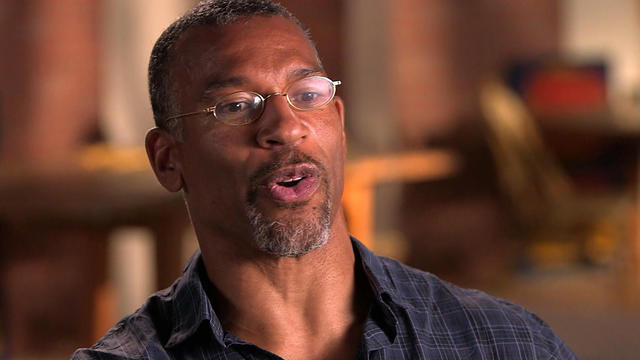
Christian Cooper was birdwatching in New York's Central Park when he encountered a woman whose dog was loose. He says he politely asked her to leash the animal, but she became agitated. As he filmed her reaction, the woman called police and told them: "There is an African American man. I am in Central Park. He is recording me and threatening me and my dog." Cooper and his sister believe the woman was using Christian's race to get the police to respond.
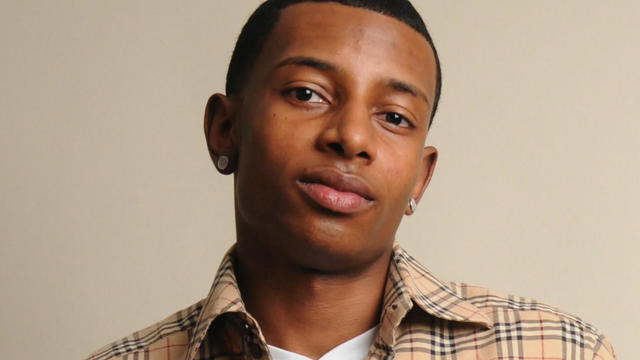
Dan and Angella Henry describe how George Floyd's tragic death on the street in handcuffs brings back the horrible memory of how their son DJ died 10 years ago. The Henrys share that even though it seems that nothing has changed, the Floyd killing may be a different moment and inflection point in American race relations.

President Trump was able to marshal support from both political parties to pass criminal justice reform in 2018, but he also unwound policies former President Obama put in place to monitor police departments accused of using excessive force or violating civil rights. In the wake of George Floyd's death, congressional Democrats have proposed ambitious new plans for police reform, but Republicans may be looking for different changes.

Genesis Hart has been marching through the streets of New York City nearly every day since George Floyd’s death. The 24-year-old has suffered a minor head injury and also risked arrest to protest police brutality, and keep the movement alive.
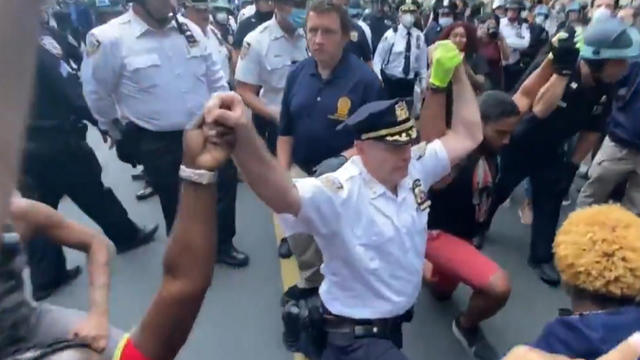
Can you train bias out of our police departments? Brooklyn Borough President Eric Adams and Terence Monahan, Chief of Department of the NYPD, discuss how to stop police brutality against black people. Social Psychologist Phillip Atiba Goff, who conducted anti-bias training programs for the Minneapolis Police Department, talks about the need to eradicate the culture of violence that he says is poisoning the nation’s police departments.

The events in Minneapolis and the protests that followed have sparked some very difficult conversations about race. We turned to two leading scholars and best-selling authors who have written extensively about race in America: Ibram X. Kendi, of Boston University, and Robin DiAngelo, from the University of Washington in Seattle.
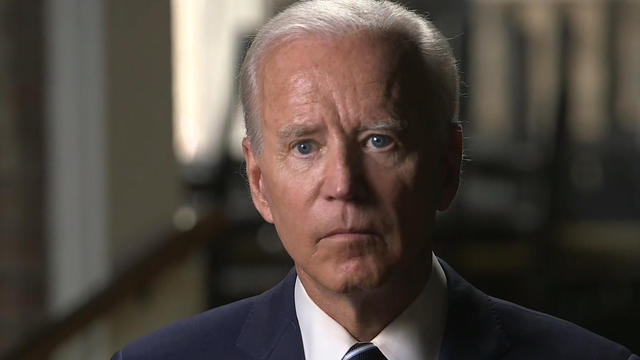
Former Vice President Joe Biden says there is "absolutely" systemic racism in law enforcement, but noted the problem is much broader than just law enforcement. Biden made the comments in an interview with "CBS Evening News" anchor and managing editor Norah O'Donnell in CBS News' primetime special "Justice for All."
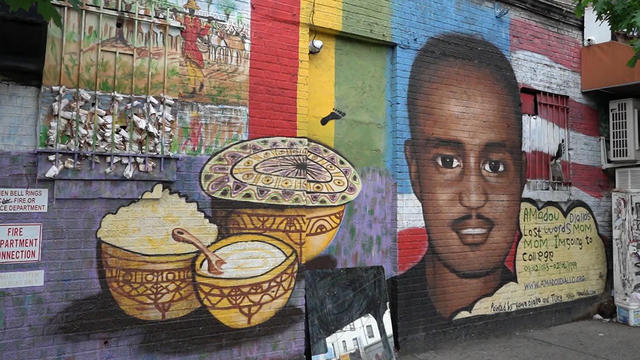
Twenty-one years ago, Kadiatou Diallo's son, Amadou Diallo, was killed by New York City police officers. Thinking he was reaching for a gun, they fired 41 shots at Amadou. Now, Kadiatou reflects on who her son was, his dreams of America, and what progress can be made in how police see black men after George Floyd's death.
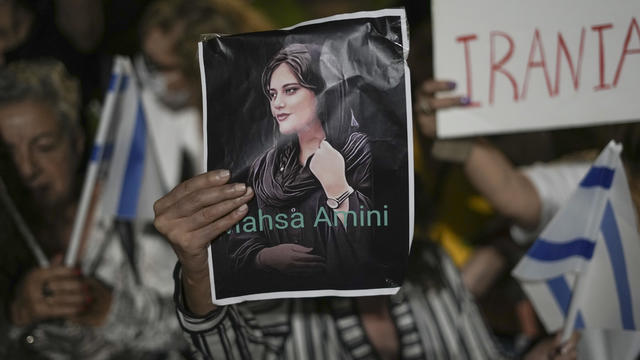
A rights group says a young man from the same Kurdish region as Mahsa Amini, whose death sparked the current unrest, was shot by security forces.
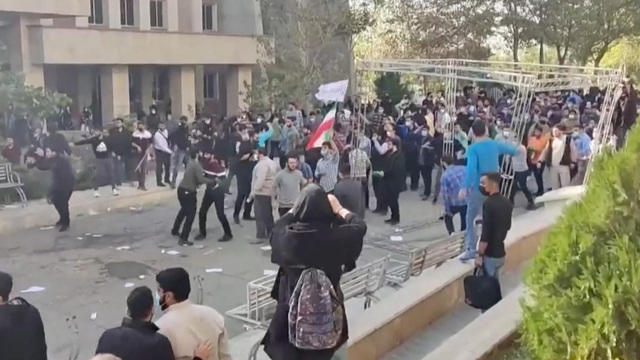
An Iranian court has ordered seven anti-government protesters to be executed, one of whom is just 22 years old. It coincides with nationwide crackdowns against demonstrations, which erupted after Mahsa Amini died in police custody in September.
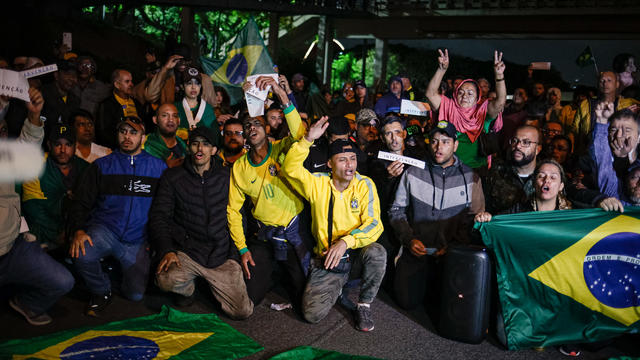
The president stopped short of conceding victory to his leftist election opponent, but told his nation he would obey the constitution.

Haiti has been grappling with myriad crises that have spread across the nation over the last month. Widespread gasoline and diesel shortages have emerged after armed gangs blocked the nation's main fuel terminal, and these gangs have also severed access to clean water, food and other essentials as Haiti also deals with a deadly cholera outbreak. Amy Wilentz, author of "The Rainy Season: Haiti Since Duvalier" and a professor of literary journalism at the University of California, Irvine, joined CBS News to discuss.

The president had still not accepted defeat after official results showed his leftist challenger narrowly won the election.
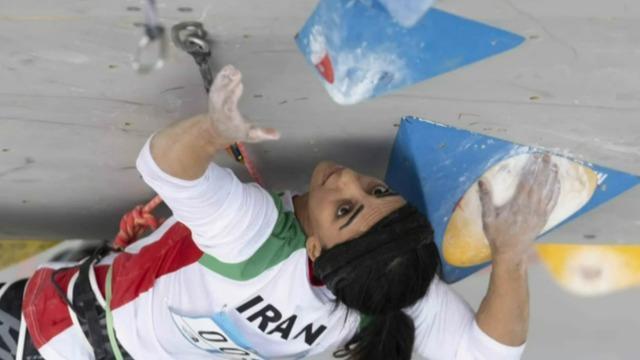
Iranian rock climber Elnaz Rekabi flew back to Tehran after competing in South Korea without a hijab. She returned to a hero's welcome Wednesday. John Dickerson spoke with journalist and podcast host Negar Mortazavi about the situation.