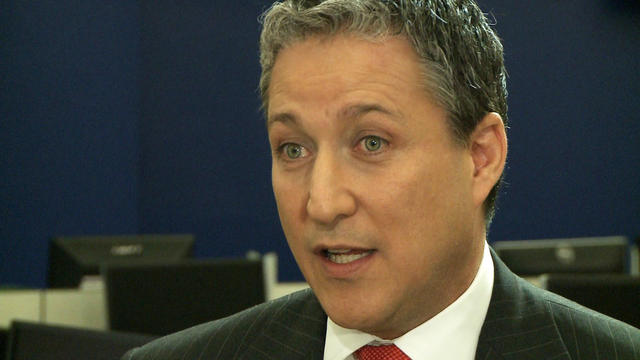
Anas al-Libi captured: Why it's significant
Former federal prosecutor says Anas al-Libi's capture is significant due to his skills and membership with al-Qaeda
Watch CBS News
Former federal prosecutor says Anas al-Libi's capture is significant due to his skills and membership with al-Qaeda
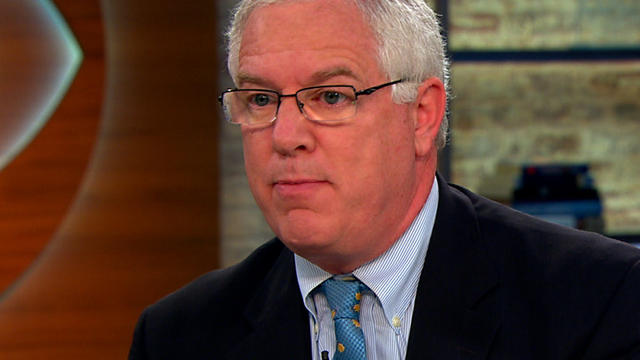
Documents obtained by National Security Agency leaker Edward Snowden and reported on by The Washington Post reveal a massive $52 billion so-called "black budget"
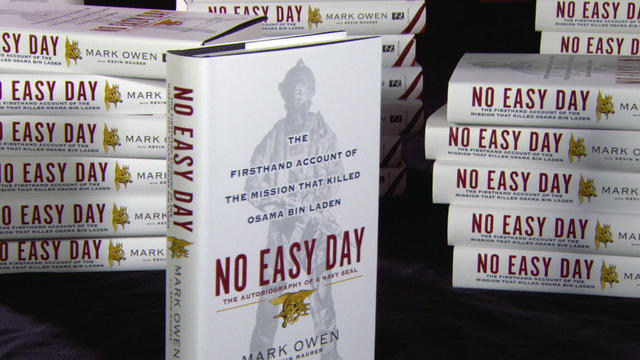
The Navy SEAL known as "Mark Owen" describes his helicopter flight into Pakistan, and how he and his fellow SEALs planned to deplane. Scott Pelley interviews Owen, the author of the controversial book "No Easy Day."
"Mark Owen," one of the Navy SEALs who killed Osama bin Laden, describes how he became part of SEAL Team Six, an elite counter-terrorism unit. Scott Pelley reports.
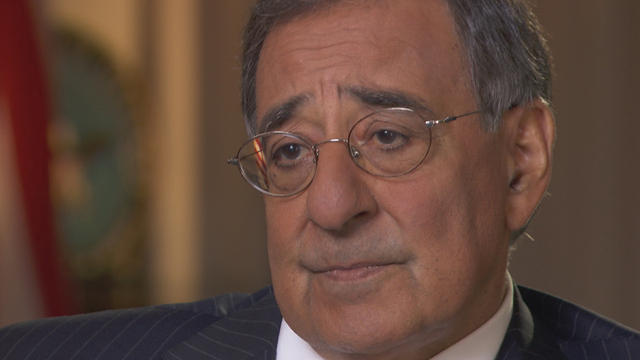
Defense secretary Leon Panetta tells Scott Pelley that a Pakistani doctor in Abbottabad helped the U.S. find Osama bin Laden. That man, Dr. Shikal Afridi, has been charged with treason in Pakistan.
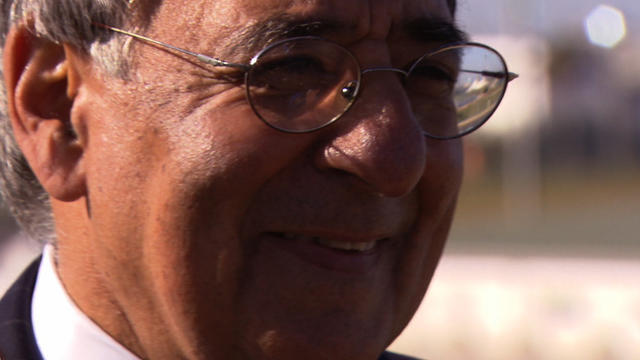
Defense Secretary Leon Panetta talks to Scott Pelley about how the U.S. and the international community should manage the Arab Spring."I think our role is to stand back and say, 'How can we support you? What kind of help do you need?'" Panetta said.
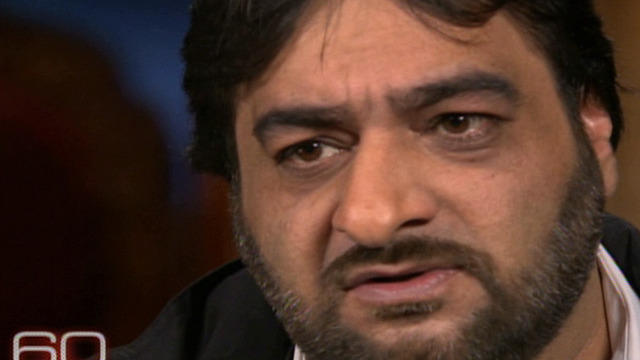
Hanif Qadir is a British Muslim whose experiences mirror that of Maajid Nawaz. Qadir says he has renounced "the narrative" but admits it's not always easy.
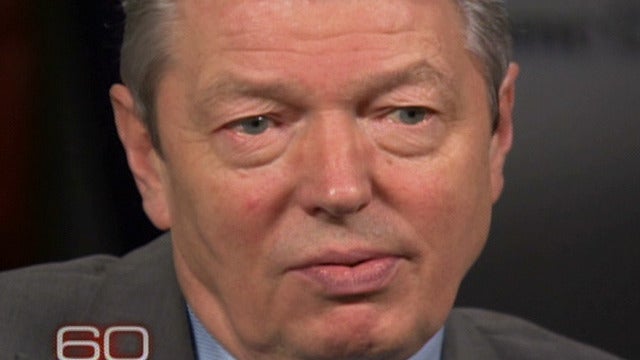
Great Britain's battles against "the narrative" are fought at the grass roots level.
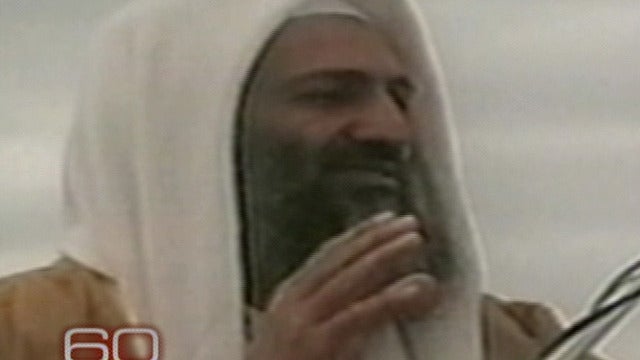
Noman Benotman was in close contact with Osama Bin Laden back in 2000, and says that Bin Laden counts heavily on "the narrative" to wage his war of terror.
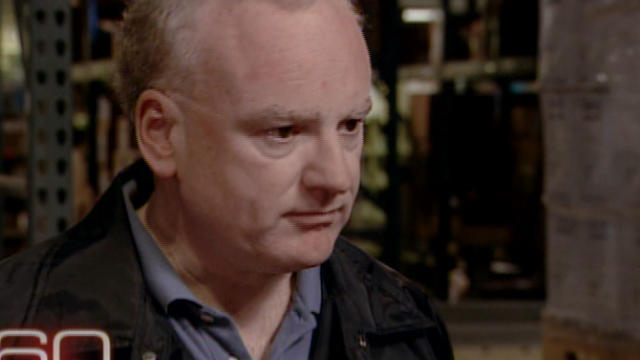
Dick Clarke, national coordinator for counterterrorism, described the response to the USS Cole bombing, the search for bin Laden, and the preparation to respond to a domestic terrorist attack.

Did Osama bin Laden have OCD? 60 Minutes producer Henry Schuster on the Navy SEAL raid that exposed the private world -- and closet -- of Osama bin Laden.
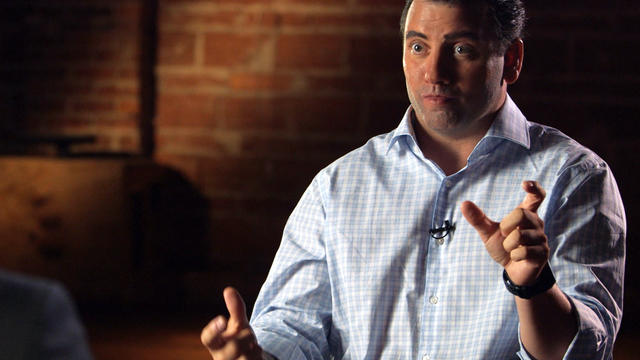
Mark Owen, the pen name for one of the Navy SEALs who shot Osama bin Laden tells Scott Pelley how a whisper from his teammate saved the mission.
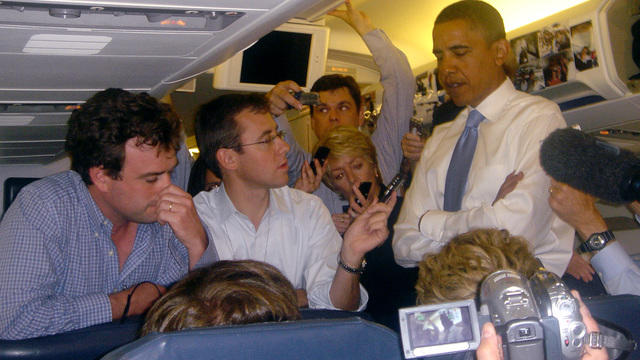
"60 Minutes" producer Maria Gavrilovic connects the dots between a controversial campaign pledge and the president's decision to go after Osama bin Laden.
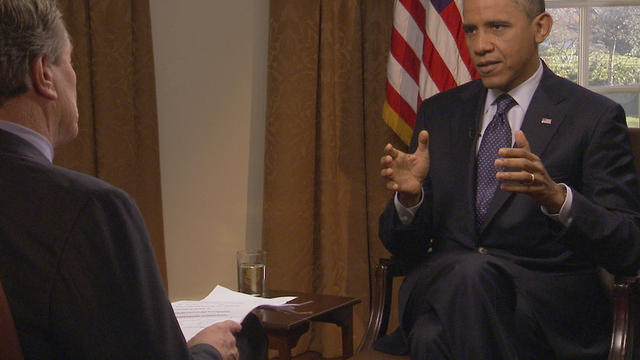
Steve Kroft interviews President Barack Obama about his administration's accomplishments and challenges as the President begins his quest for re-election.
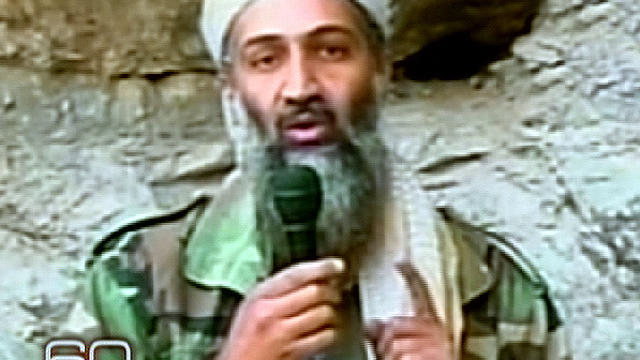
The officer who led the Delta Force mission to kill Osama bin Laden after 9/11 reveals what really happened in Tora Bora, Afghanistan, when the al-Qaeda leader narrowly escaped. Scott Pelley reports
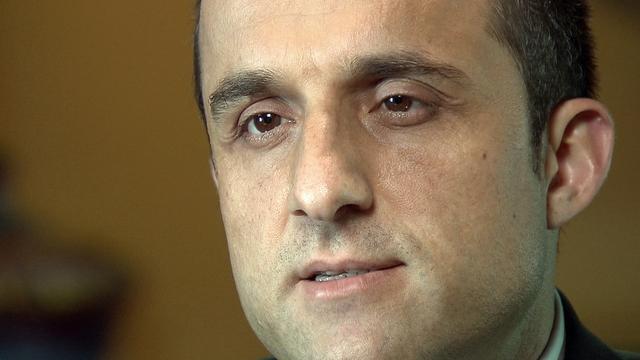
The former head of Afghanistan's intelligence says Pakistan has supported the Taliban for years and in 2007, he says, his information pinpointed Osama bin Laden 12 miles from where American forces killed him last week. Lara Logan reports.
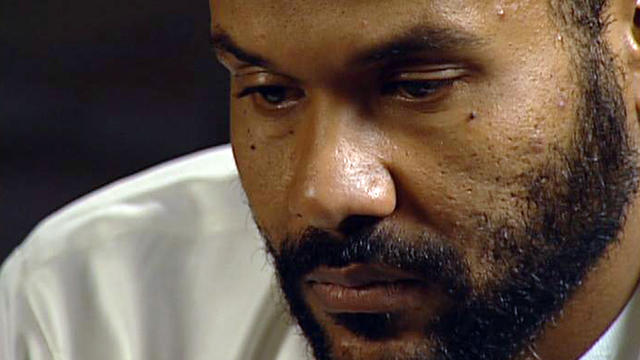
What kind of person revered Osama bin Laden? Meet Abu Jandal, a man who ready to die for his boss.
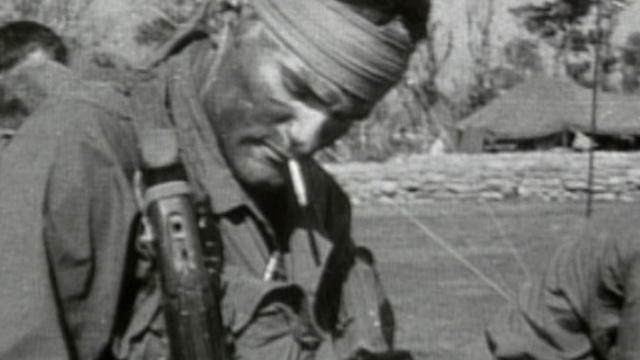
Who hunted down Osama bin Laden? Meet some of the men who have served in "Special Operations" forces.
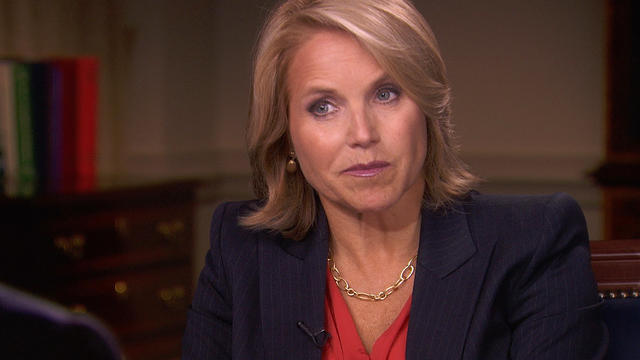
Secretary of Defense Robert Gates tells Katie Couric that the mission was one of the most courageous decisions he's ever seen a president make. He calls it a "gutsy call."
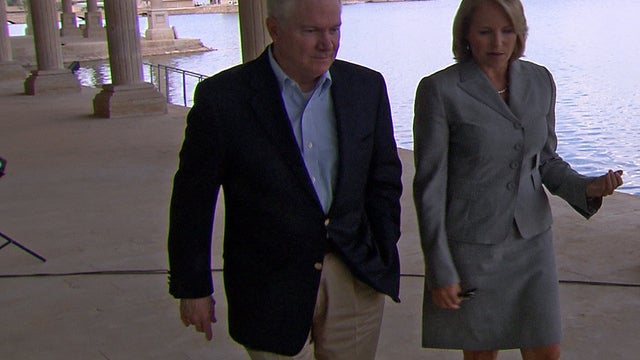
Secretary of Defense Robert Gates in his first interview since the killing of Osama bin Laden. Katie Couric also traveled with the secretary on a five-day mission to the Middle East that included a stop in Iraq.
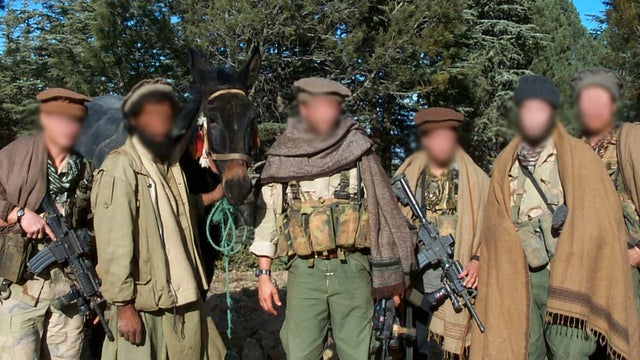
Hear the secret story of how an elite team of US commandos chased and lost bin Laden's trail at Tora Bora, just ten weeks after 9/11.
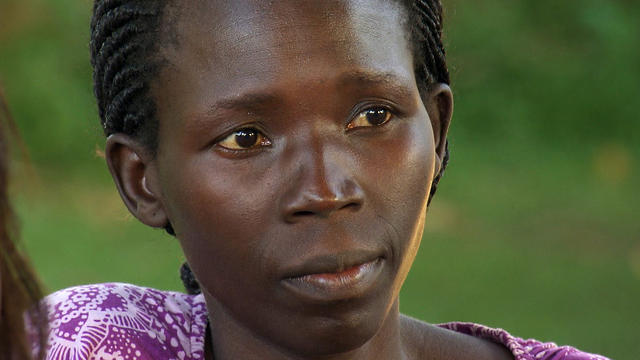
Three of Kony's wives describe their time with the warlord - and a horrible choice some were asked to make for their country
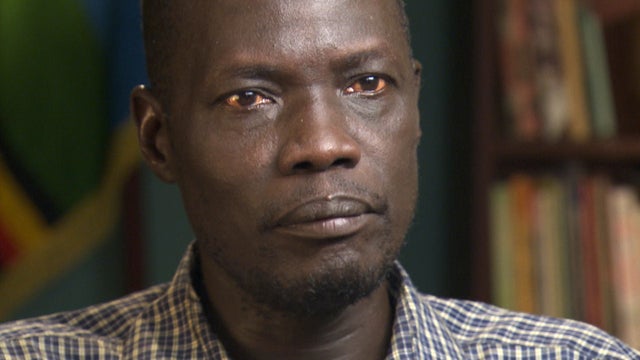
Major General Cesar Acellam, a commander in Kony's army captured by Ugandan forces, says he and his fellow soldiers knew the U.S. was assisting in the manhunt
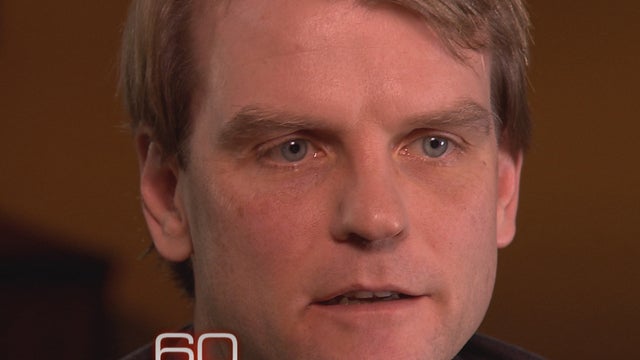
Christopher Alexander served as the UN's deputy envoy to Afghanistan from 2005-09. He worked closely with Amrullah Saleh and says the international community came to rely heavily on the intelligence provided by Saleh's spy agency.
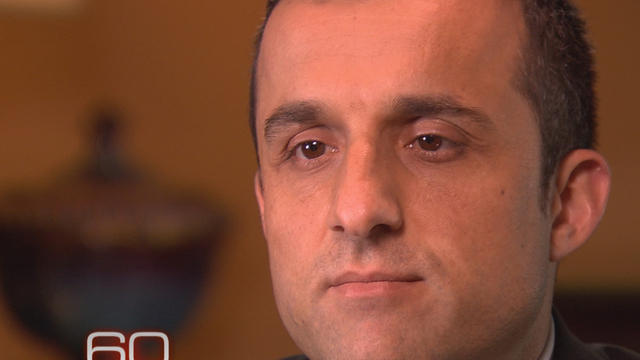
Former Afghan intelligence chief Amrullah Saleh tells Lara Logan he quit his government post because he felt President Hamid Karzai no longer trusted him. He believes that it is obvious Karzai is moving closer to Pakistan.