New space object called "black hole star" discovered by astronomers
The newly discovered object looks like a star the size of our solar system, but produces 100 billion times more energy than any star.
Watch CBS News
The newly discovered object looks like a star the size of our solar system, but produces 100 billion times more energy than any star.
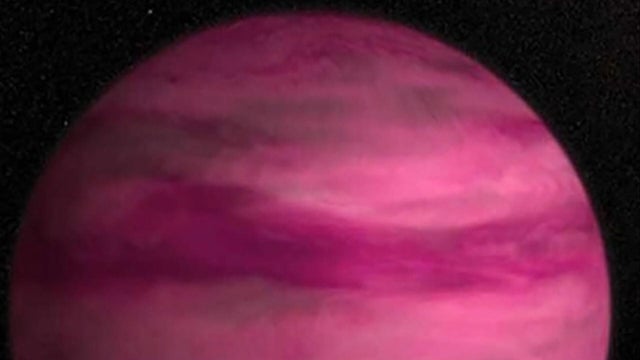
Researchers using the Webb Space Telescope discovered salty clouds surrounding a "Pink Plane." CBS News' Kelly O'Grady has more.
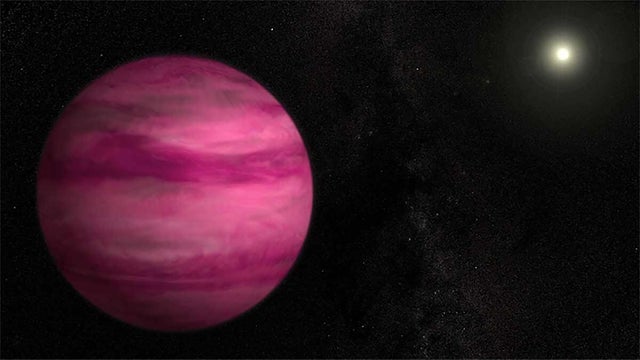
The "Pink Planet," formally known as GJ504b, was discovered in 2013 and is technically not a planet but rather a "planetary-mass companion."
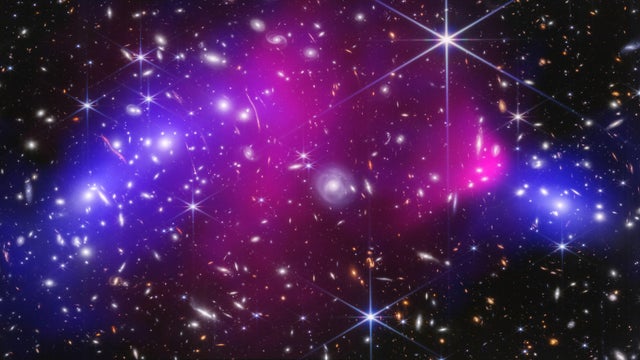
Dark matter doesn't absorb or give off light so scientists can't study it directly. But they can observe how its gravity warps and bends the star stuff around it.
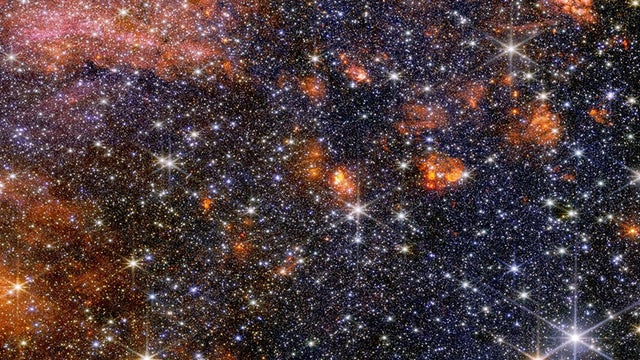
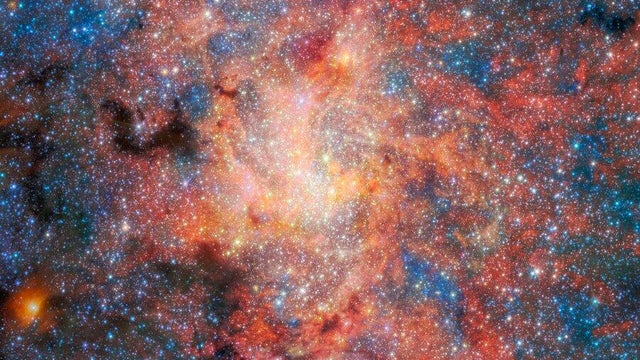
Sagittarius B2, a massive molecular cloud near the center of the Milky Way, is densely packed with stars and complex magnetic fields.
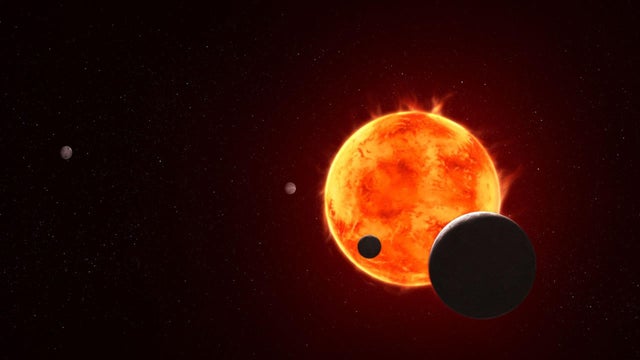
Exoplanet TRAPPIST-1 e may contain an atmosphere and liquid water, NASA scientists said. Research into the exoplanet is ongoing.
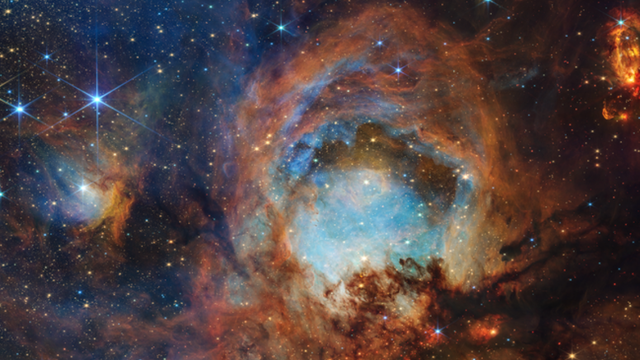
The Cat's Paw Nebula is about 4,000 light-years from Earth, near the constellation Scorpius.
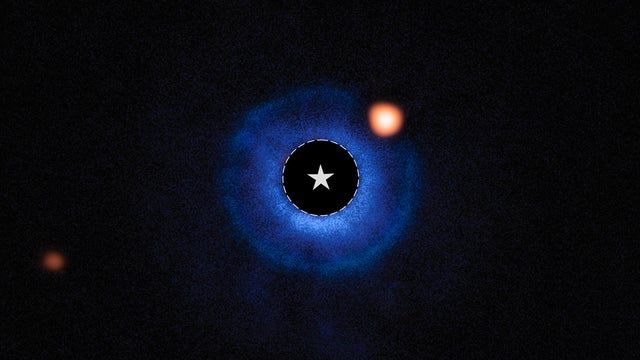
The exoplanet, a planet beyond our solar system, has been dubbed TWA 7b after NASA's James Webb Space Telescope captured evidence of it.
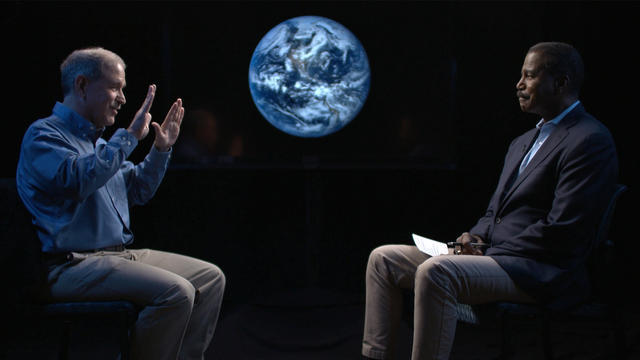
The "Hubble repairman" explains why the telescope's replacement, the James Webb Space Telescope, will be a million miles from Earth - too far to be repaired
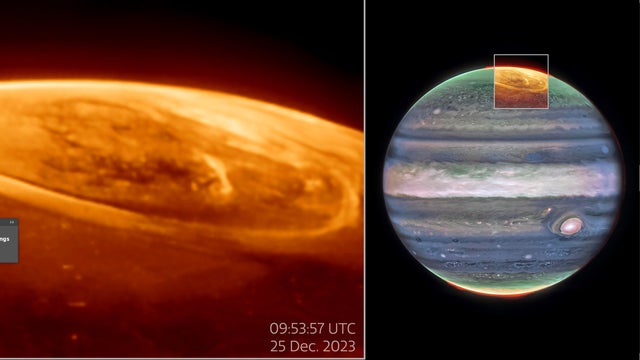
Jupiter's stunning auroras are hundreds of times brighter than those seen on Earth, as pictured in new images taken by the James Webb Space Telescope.
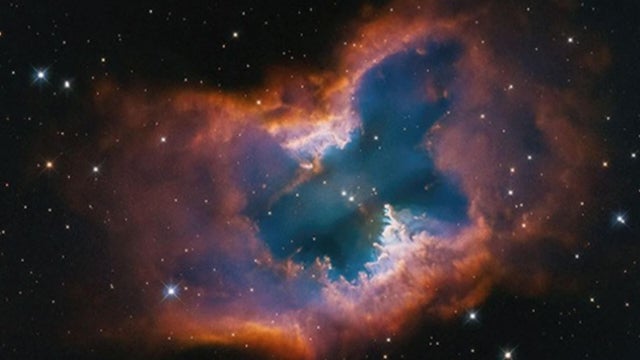
The Hubble Space Telescope "opened a new window to the universe" when it launched into space. Now, 35 years later, NASA is releasing some stunning images to celebrate.

A British-U.S. team of researchers detected signs of two chemicals in the planet's atmosphere long considered to be "biosignatures" indicating extraterrestrial life.
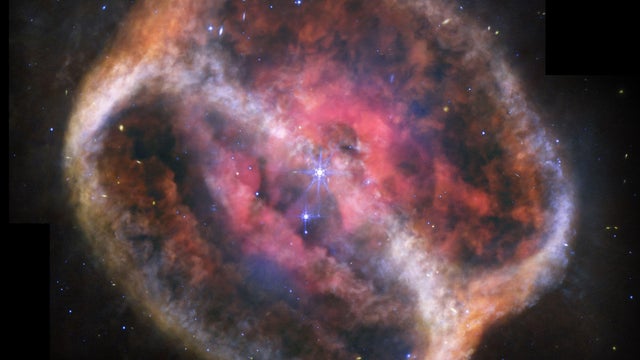
NASA's James Webb Space Telescope has given astronomers a detailed, never-before-seen look at a dying star.
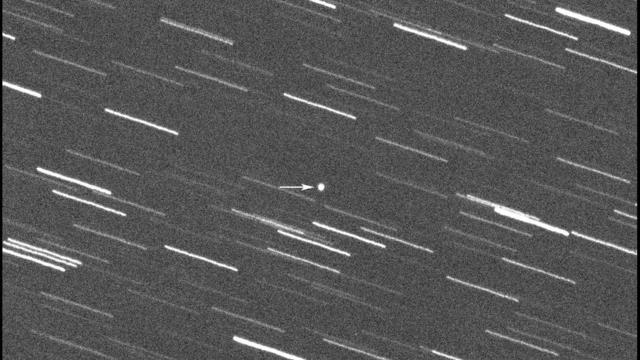
The 2024 YR4 asteroid has a near-zero chance of striking Earth, but a slim chance of hitting the moon, new research says.
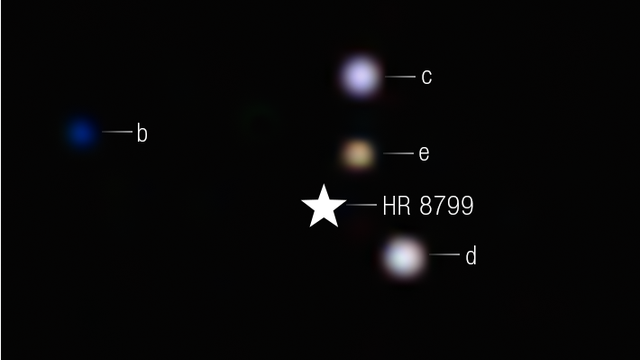
The gas giants outside our solar system are not capable of hosting extraterrestrial life, but do offer clues in a lingering mystery about how distant planets form, researchers said.
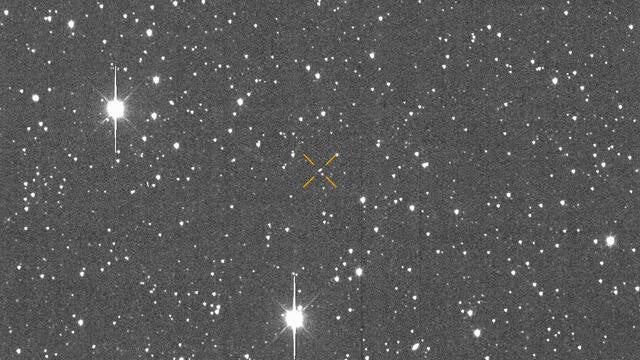
The asteroid 2024 YR4 has a very small chance of striking Earth when its orbit briefly intersects our planet's in December 2032.
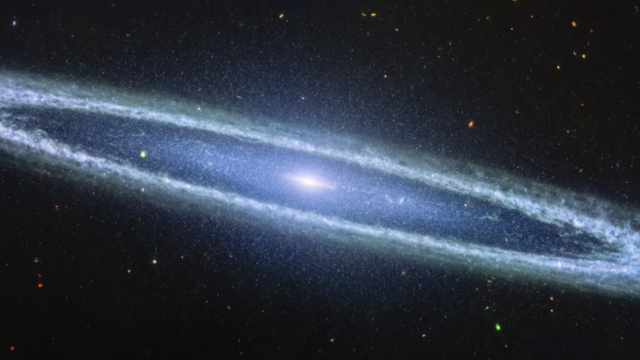
The Sombrero galaxy, named for its resemblance to the Mexican hat, is about 30 million light-years from Earth.
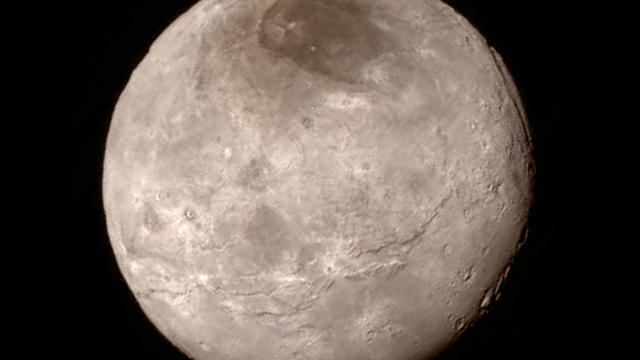
Researchers used observations from the Webb Telescope to identify carbon dioxide and hydrogen peroxide on the surface of Charon, Pluto's largest moon.
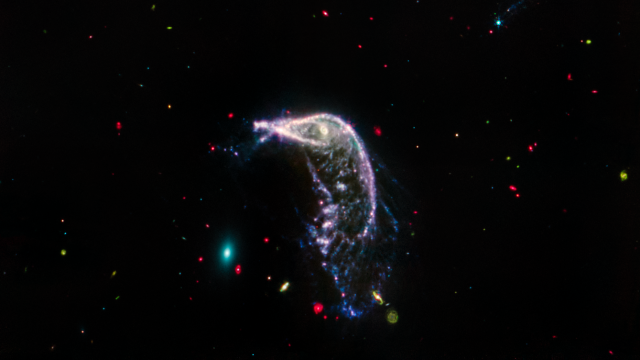
The image released Friday depicts two merging galaxies, nicknamed "the Penguin and the Egg," that are about 100,000 light years apart, a surprisingly close distance in astronomical terms.
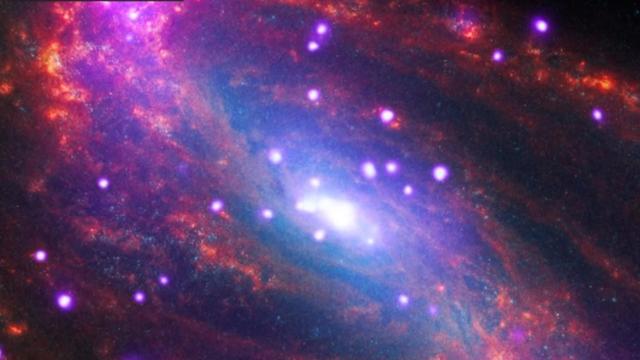
It has been two years since NASA's James Webb telescope gave us a stunning first look at the depth of our universe. To commemorate the achievement, NASA has released new images showing two distant galaxies interacting with each other. Jane Rigby, astrophysicist and a senior project scientist for the Webb telescope at NASA, joins CBS News to discuss.
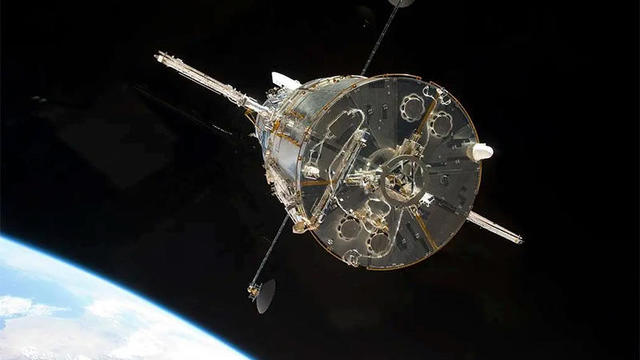
Despite being down to two operational gyroscopes, Hubble is still expected to operate well into the 2030s, NASA said.
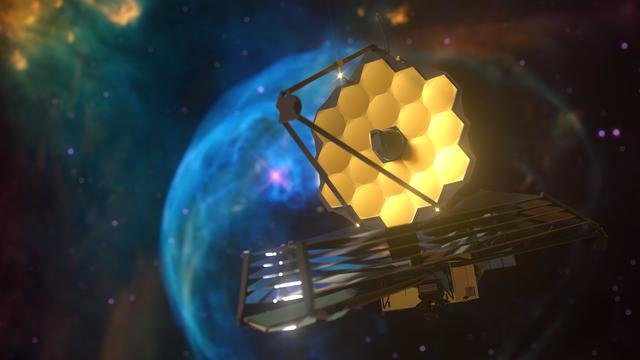
The galaxy was spotted as astronomers and scientists studied what's known as "Cosmic Dawn."
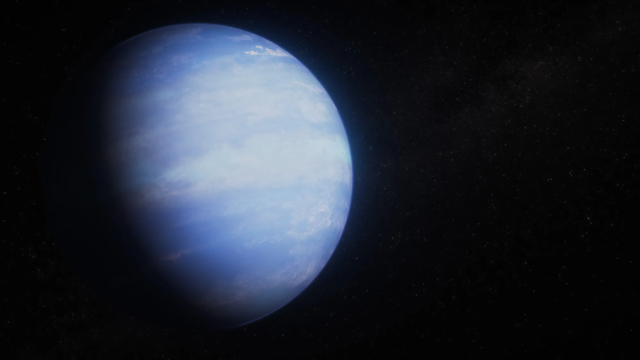
Studying the atmosphere of a "puffy" exoplanet about 200 light-years from Earth may have unraveled a confounding cosmic mystery.
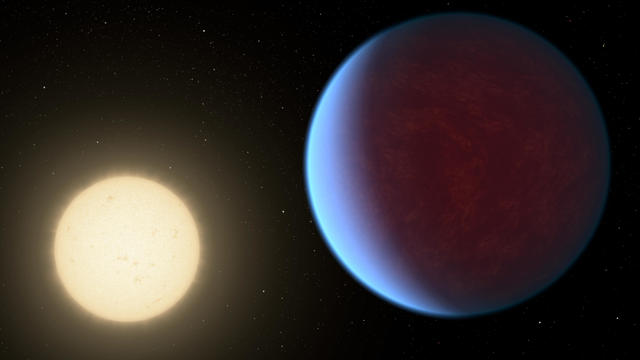
The so-called super Earth — known as 55 Cancri e — is among the few rocky planets outside our solar system with a significant atmosphere.
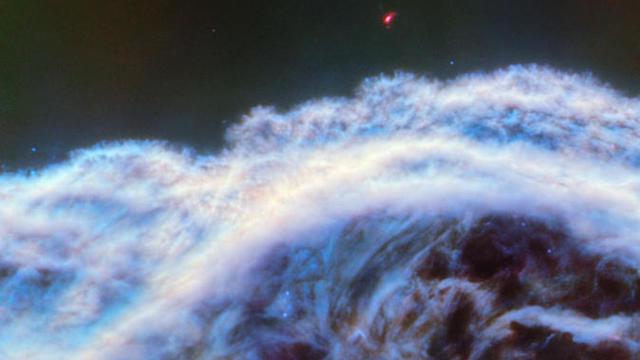
The Horsehead Nebula, which NASA has called "one of the most distinctive objects in our skies," is located in the constellation Orion.