U.S. searches for answers to Iran's arsenal of cheap drones
The Iran war is testing the U.S. military's ability to combat Iran's drones in a cost-effective way. Emerging laser tech, designed to zap drones out of the sky, may help.
Watch CBS News
The Iran war is testing the U.S. military's ability to combat Iran's drones in a cost-effective way. Emerging laser tech, designed to zap drones out of the sky, may help.

First, a report on ships stranded by the Strait of Hormuz closure. Then, could lasers help fend off Iran's drones? And, a look inside author Mitch Albom's Haiti orphanage.

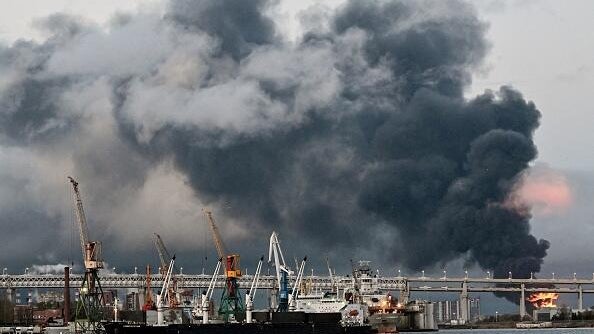
The unprecedented Strait of Hormuz closure amid the Iran war has spiked the price of oil and gas. It's also left thousands of crew members stranded on ships as the war rages on.

Iranian attacks on ships in the Strait of Hormuz threaten to drive U.S. gas prices to record highs. The attacks could also have a cascading effect on other prices.
The unprecedented Strait of Hormuz closure amid the Iran war has spiked the price of oil and gas. It's also left thousands of crew members stranded on ships as the war rages on.
The Iran war is testing the U.S. military's ability to combat Iran's drones in a cost-effective way. Emerging laser tech, designed to zap drones out of the sky, may help.

They call it asymmetric warfare: Iran uses cheap, low-tech drones across the Persian Gulf, while the U.S. tries to shoot them down with interceptors that cost millions. Could this weapon be the answer? 60 Minutes reports, tonight.

Missed the second half of the show? Sen. Mark Warner, Rep. Dan Crenshaw and a foreign policy panel of Jonny Gannon, Sam Vinograd and Kevin Book join.

Sen. Mark Warner, the vice chair of the Senate Intelligence Committee, told "Face the Nation with Margaret Brennan" that in the 2025 worldwide threats briefing, "there was no imminent threat to the United States and I don't believe there was even an imminent threat to Israel from Iran."

After two apparent terror attacks in the U.S. this week and rising energy prices, former CIA executive and operative Jonathan Gannon, CBS News national security contributor and Biden administration top counterterrorism official Sam Vinograd and energy policy expert and analyst Kevin Book join "Face the Nation with Margaret Brennan" to discuss.

In an exclusive interview with CBS News Saturday, Federal Communications Chair Brendan Carr doubled down on his warning that broadcast licenses could be revoked amid President Trump's criticisms of media coverage of the war in Iran.

Rep. Dan Crenshaw, a retired Navy SEAL, told "Face the Nation with Margaret Brennan" that Americans shouldn't take the sending of 5,000 more Marines to the Middle East "as boots on the ground deployment, especially with only 5,000 troops."

White House National Economic Council Director Kevin Hassett told "Face the Nation with Margaret Brennan" that so far, the war with Iran has cost $12 billion, adding that "right now, we've got what we need" on funding as lawmakers are preparing for a possible supplemental funding request from the White House.

This week on "Face the Nation with Margaret Brennan," amid new strikes from Israel and Iran in the Middle East, Margaret Brennan speaks to Iranian Foreign Minister Abbas Araghchi and Trump economic adviser Kevin Hassett. Plus, Rep. Dan Crenshaw and Sen. Mark Warner join.

Watch Margaret Brennan's full interview with Iranian Foreign Minister Abbas Araghchi, a portion of which aired on "Face the Nation with Margaret Brennan" on March 15, 2026.

One day after President Trump said the U.S. is not ready to make a deal with Iran because "the terms aren't good enough yet," Iranian Foreign Minister Abbas Araghchi told "Face the Nation with Margaret Brennan" that "we don't see any reason why we should talk with Americans."

The U.S. military has identified the six service members who were killed in Thursday's plane crash in western Iraq, while thousands more U.S. sailors and a 2,500-strong Marine unit are headed to the Middle East. Charlie D'Agata reports.

This week on "Face the Nation with Margaret Brennan," amid new strikes from Israel and Iran in the Middle East, Margaret Brennan speaks to Iranian Foreign Minister Abbas Araghchi and Trump economic adviser Kevin Hassett. Plus, Rep. Dan Crenshaw and Sen. Mark Warner join.

Six U.S. service members who were killed in a military refueling aircraft crash over Iraq last week have been identified as members of the Ohio Air National Guard and Florida-based crew members.

"Sunday Morning" senior contributor Ted Koppel reflects on how the U.S. government, and the media, reacted to the 1979 kidnapping of Americans in Tehran, whose 444-day ordeal had unpredictable repercussions.

As the United States continues to intensify its war against Iran, the transit of oil through the Strait of Hormuz is still choked off – and the ramifications are being felt around the world. CBS News national security correspondent David Martin talks with Retired General Frank McKenzie about the hazards facing American ships; and how long it might take the U.S. Navy to open the Strait, a vital shipping channel through which one-fifth of the world's oil flows.
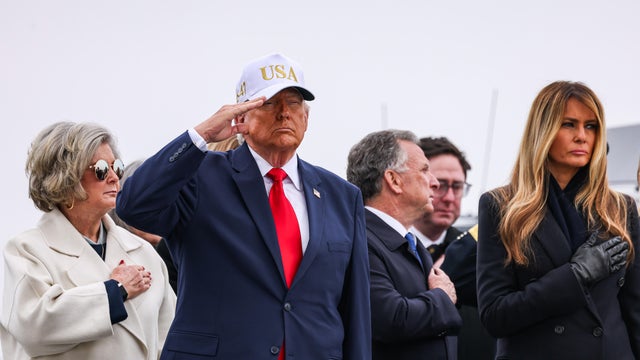
Since the start of the Iran war, 13 American service members have been killed.
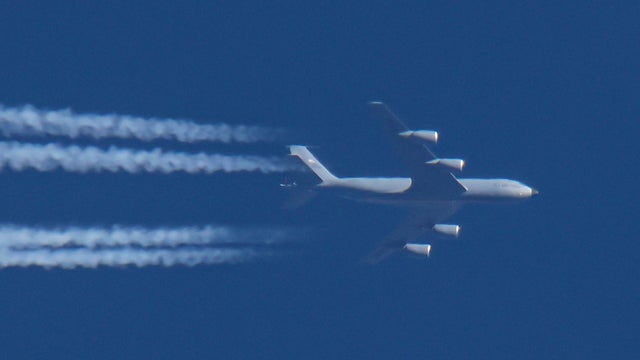
The U.S. military has confirmed that all six crew members were killed when an American KC-135 refueling plane taking part in the Iran war crashed in western Iraq.

The State Department is seeking information on Iran's new supreme leader and nine other "key leaders" in the Islamic Revolutionary Guard Corps.

Iranian attacks on tankers and cargo ships have choked the flow of oil and goods through the Strait of Hormuz, a narrow passage connecting Persian Gulf oil producers to global markets. The disruption threatens to drive U.S. gas prices to record highs.