Watch CBS News

Trump says Iran war will end "pretty soon"

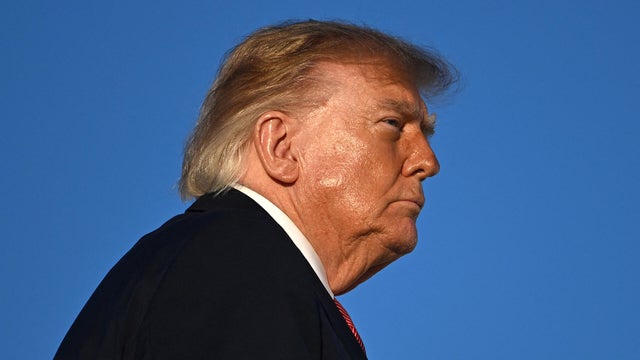
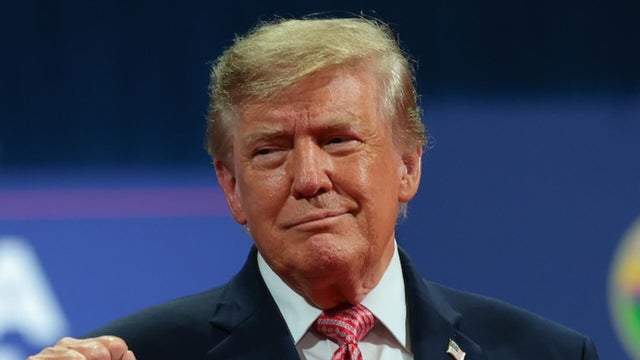
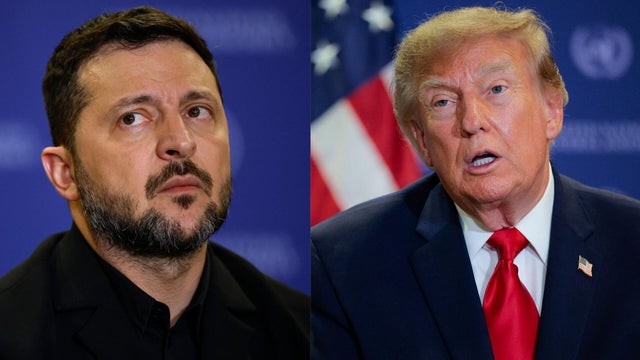
President Trump said Thursday that he is not sending troops into Iran, but he added, "if I were, I certainly wouldn't tell you," on Thursday. He also said the war is going to be over "pretty soon." CBS News' Eleanor Watson and Willie James Inman report.

Mar 19 (08:13)

TRANSCRIPT FOR: “LATEST ON IRAN AS TRUMP SAYS WAR WILL END "PRETTY SOON"”

ELAINE QUIJANO:
00:01:39

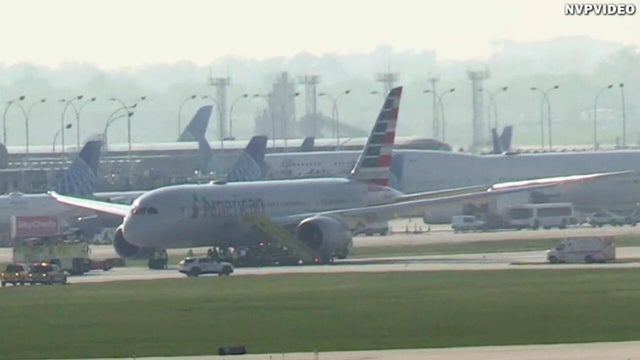
Last night, Iran attacked Qatar's Ras Laffan liquefied natural gas facility. The Qatari energy minister says the missile strikes reduced export capacity by 17% and caused an estimated loss of $20 billion in annual revenue. The price of crude oil remains stuck at more than $100 per barrel. AAA says the average US gas price is up $0.04 since yesterday to $3.88 per gallon. Treasury Secretary Scott Bessent said the US may lift sanctions on some Iranian oil to help keep prices down. The leaders of the United Kingdom, France, Germany, Italy, the Netherlands, and Japan also say they are ready to, quote, "contribute appropriate efforts" to reopen the Strait of Hormuz. The vital shipping lane has been effectively closed since the start of the war. CBS News Pentagon reporter Eleanor Watson joins me now. Eleanor, thanks for being with us. Secretary Hegseth says today would bring, quote, "largest strike package yet" against Iran. What does that mean? Well, yeah, Elaine, he has really said every day since the war that each day has gotten more intense with larger and larger strike packages. That means the military has now destroyed enough of Iran's air defenses that it can now fly more aircraft like heavy bombers, the B-1S, the B-2S, the B-52S, that carry large numbers of bombs over Iran. That doesn't mean there's no risk because, as we reported today, an F-35 had to make an emergency landing at a regional base after flying a combat mission over Iran. But overall, the military is flying more of the types of missions that we saw on Tuesday, when they dropped multiple 5,000 pounds bombs, targeting an underground storage facility for anti-ship cruise missiles, the military says, posed a direct threat to the Strait of Hormuz. That's a reminder that even as the military is flying deeper and deeper into Iranian territory, it's still working to destroy some of those risks to the Strait-- the drones, the missiles, and the fast attack boats Iran still has. Well, Iran has been retaliating against energy infrastructure in other Gulf nations like Qatar and Kuwait, following the Israeli attack on the South Pars gas field yesterday. What are some of the broader consequences, Eleanor, of those attacks at this point? The broader consequences could be long-term impacts to the energy markets, depending on how long it takes those facilities to be repaired. The Qatar defense minister today said that the damage from one of the strikes on its facilities could take about five years to repair. That's partly why President Trump was so angry about Israel's decision to target an Iranian natural gas field that prompted that retaliation from Iran against Qatar. President Trump on social media said Israel won't do it again. But at the same time, he warned Iran that the US could join in those strikes against the gas field if it doesn't stop its attacks against the Gulf countries.

ELAINE QUIJANO:
00:04:40

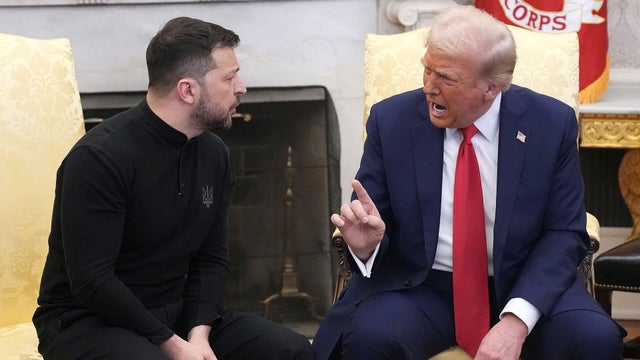
All right. Eleanor Watson for us, Eleanor, thank you very much. For more, let's bring in CBS News White House correspondent Willie James Inman. Willie James, as we mentioned, President Trump claims the war will be over soon. But Defense Secretary Hegseth confirmed the Pentagon will be asking for more money for the conflict. Where is the disconnect here? Why does the Pentagon need more money if the war is supposedly ending soon? Hey there, Elaine. Good to be with you on this Thursday evening. Well, the president seeking to clarify this proposal from the Pentagon, which we have not seen on paper just yet, typically these supplemental requests come from the Office of Management and Budget. And we haven't seen that because this is something that has been floated by the Pentagon, $200 billion, certainly a major amount of money and funds needed for a potential war effort in Iran. The White House economic advisor, Kevin Hassett, earlier this week saying some $12 billion had been spent. But the president had this to say to our own Weijia Jiang about that funding request. Listen. If the war is almost over, why is the Pentagon going to ask Congress for an additional $200 billion? Well, we're asking for a lot of reasons beyond even what we're talking about in Iran. This is a very volatile world. And the military equipment, the power of some of this weaponry is unthinkable. You don't even want to know about it. Oh, you could end this thing in two seconds if you wanted to. But we are being very judicious. But we want to do-- don't forget. Biden gave away-- I rebuilt the military in my first term. And the president later in his statement, they referred to the situation in Afghanistan, the pullout of Afghanistan, blaming former President Biden for that situation. Some $7 billion worth of military equipment was left behind. CBS News has previously reported in Afghanistan. In terms of Ukraine, the president also blasting the former president for giving-- now, remember, this was appropriated funds approved by Congress in terms of that military assistance to Ukraine. Estimates show about $175 billion given there in terms of military equipment but also financial aid and assistance to Ukraine. So that's the reasoning here, the president seeking to clarify those this $200 billion request, that it's not just about Iran but about replenishing a lot of the military equipment for the United States military, I should say. Well, President Trump also said today he thought the economic fallout from the war would be, quote, "much worse," even as Americans continue to see soaring gas prices. What more are you hearing about the administration's plans to keep prices down? Well, one of the more radical ideas you could say, if you will, is to unsanction Russian oil-- that is something that has been floated by this White House-- into unsanctioned Iranian oil, essentially to create more supply to help stabilize that price. That is something that the White House is considering moving forward with. We, of course, know that this situation has created a volatile situation for the energy markets, and the president is seeking to get a hold on those energy prices that we've seen tick up for gasoline, specifically about $1 since this war began, Elaine.

ELAINE QUIJANO:
00:08:08

All right. Willie James Inman at the White House, thank you so much.

View CBS News In
CBS News App Open
Chrome Safari Continue