Stocks fall as fears of recession increase
The stock market took a big slide Monday following a lackluster jobs report and growing fears of a recession in the next year. Jo Ling Kent breaks down what it all means.
Watch CBS News
The stock market took a big slide Monday following a lackluster jobs report and growing fears of a recession in the next year. Jo Ling Kent breaks down what it all means.
Fears of a U.S. economic slowdown sent markets falling at the start of the trading week on Monday, with markets in Asia and Europe falling as well. CBS News senior business and tech correspondent Jo Ling Kent has more from New York.
Stocks plunged Monday amid fears that the U.S. is entering the early stages of a recession, with the Dow Jones falling 2.6 percentage points. CBS News senior business and tech correspondent Jo Ling Kent examines what's driving the global economic uncertainty.
The U.S. added just 114,000 jobs in July, below expectations, the Labor Department reported Friday, while the unemployment rate rose to 4.3%. Jo Ling Kent examines what is behind the slowdown.
The stock market plunged Friday after a weaker-than-expected July jobs report raised fears of a slowing economy. But should Americans actually be worried about the sell-off? CBS News contributor JD Durkin joins to discuss.
Disappointing July jobs data could bring about fears of a potential recession as Americans navigate a period of inflation in the U.S. economy. CBS News contributor Javier E. David breaks down the signals to look out for as the markets react to the latest numbers.
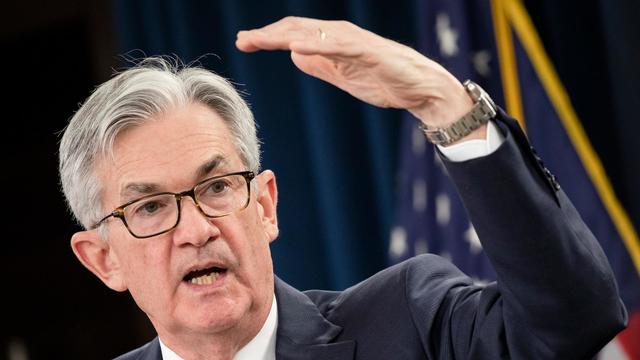
The Federal Reserve said Wednesday it is leaving its benchmark interest rate unchanged. The announcement means policymakers will hold the federal funds rate between 5.25 and 5.50%, the highest level in 23 years. Martin Baccardax, senior editor and chief markets correspondent for TheStreet, joins CBS News to examine the decision.
The Federal Reserve left the benchmark federal funds rate unchanged Wednesday. Experts still believe the Fed's September meeting could lead to cuts. CBS News business analyst Jill Schlesinger and CBS News contributor Javier David break down the decision.
The Federal Reserve will announce a decision Wednesday on potential interest rate cuts as inflation appears to cool. CBS News contributor Javier E. David has more on what economists expect.
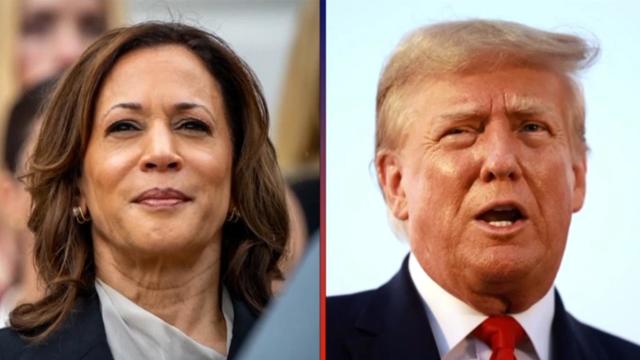
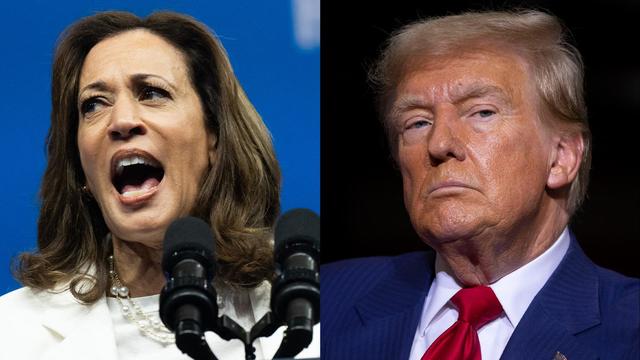
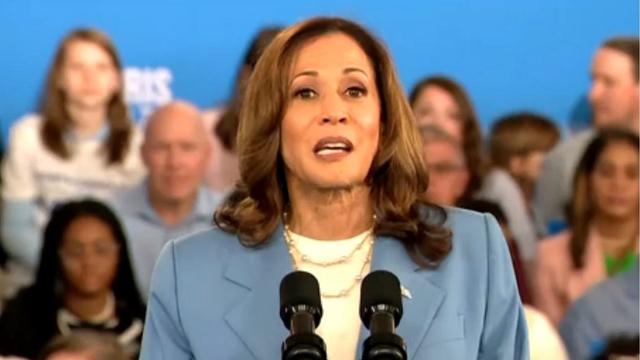
Vice President Kamala Harris revived enthusiasm among Democrats hoping to win congressional races and the White House in November. A potential vice president pick announcement ahead, news about the inflation cooling and shifts in some battleground states could help Harris maintain momentum. Tom LoBianco, a national politics reporter for 24sight News, joins CBS News with more on the 2024 race.
After years of soaring housing costs, renters are getting some relief as the Federal Reserve looks to extinguish inflation.
The Commerce Department says the nation's gross domestic product, or GDP, rose at an annual rate of 2.8% from April through June. That's more than the 1.9% rate economists had expected for the second quarter. Jeff Stein, White House economics reporter for The Washington Post, joins CBS News to explain what the GDP growth says about the economy, and how the Federal Reserve could read the data.
Chipotle CEO Brian Niccol said the company is addressing portion sizes after finding 10% of its locations were skimping.
Consumer spending helped drive growth despite cost-of-living expenses that have spiked across the country.
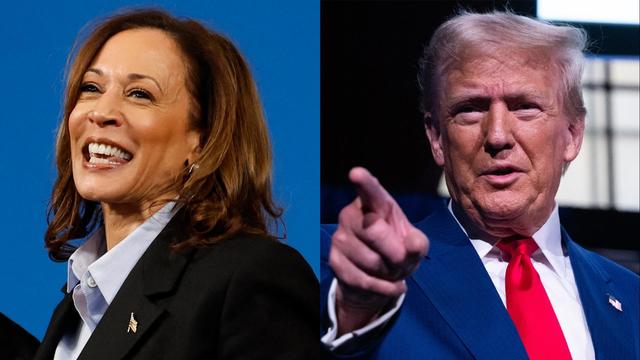
Although Donald Trump vows to bring U.S. prices down "very quickly," some economists say his policies could rekindle inflation. Here's what to know.
According to most voters, the state of the U.S. economy is a widespread problem. Neil Malhotra, professor of political economy at the Stanford University Graduate School of Business, joins CBS News to discuss what's fueling so many Americans' anger, and what policies may fix it.
Speakers at this week's Republican National Convention are expected to highlight inflation and affordability as they make their case against President Biden's reelection. CBS News contributor Javier David has more.
Auto insurance has gone up 19.5% since June of last year, according to the latest Consumer Price Index data. The reason? Getting T-boned by inflation.
Project 2025, the plan from the conservative think tank Heritage Foundation, aims to overhaul several portions of the federal government. Some of the proposed changes include a restructuring of the tax code. Howard Gleckman, senior fellow at the Urban Institute, joins CBS News to examine the plan's potential impacts and practicality.
Two major stock indexes, the S&P 500 and Dow Jones Industrial Average, are up over 15% compared to a year ago. Financial analysts point to this as an example of the U.S. economy's health, but the benefits are not accessible to all Americans. CBS News' Lindsey Reiser explains.
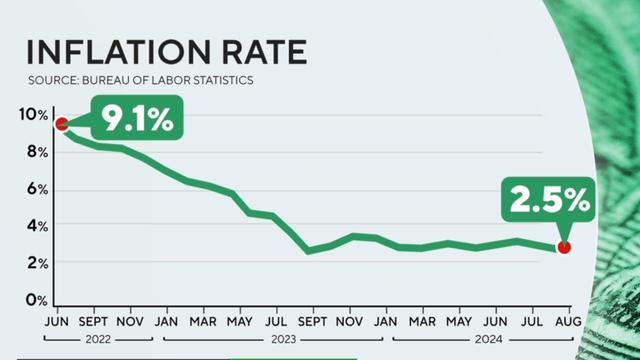
Labor Department data released Thursday showed the annual inflation rate cooled from 3.3% in May to 3% in June. That's lower than the 3.1% rate some economists had projected. Jeanna Smialek, Federal Reserve and U.S. economy reporter for The New York Times, joins CBS News to unpack the report.
Inflation slowed in June more than expected, according to the latest CPI report. CBS News contributor Javier E. David breaks down the numbers and what they might mean for interest rates.
The latest consumer price data furthers the case for an interest rate cut by the Federal Reserve as soon as September.
The latest CPI report shows inflation came down 0.1% in June, putting the rate over the past year at 3%, slightly lower than economists predicted. CBS News business analyst Jill Schlesinger has more on if the report could spark an interest rate cut from the Federal Reserve.
The U.S. added 206,000 new jobs in June, marking a slight cooling in the labor market, but still a sign that hiring remains strong. Michael George has more on what this could mean for interest rates moving forward.