Here's when experts think the Fed could start cutting interest rates
After a hotter-than-expected inflation report on Tuesday, economists now believe the Fed could postpone its first rate cut. Here's what to know.
Watch CBS News
After a hotter-than-expected inflation report on Tuesday, economists now believe the Fed could postpone its first rate cut. Here's what to know.
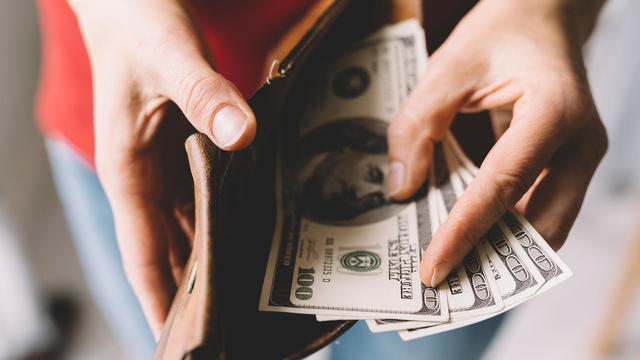
The three major stock indexes fell more than one percentage point each Tuesday after a government report showed inflation remained stubbornly high in January. CBS News contributor Javier David joins to unpack the figures.
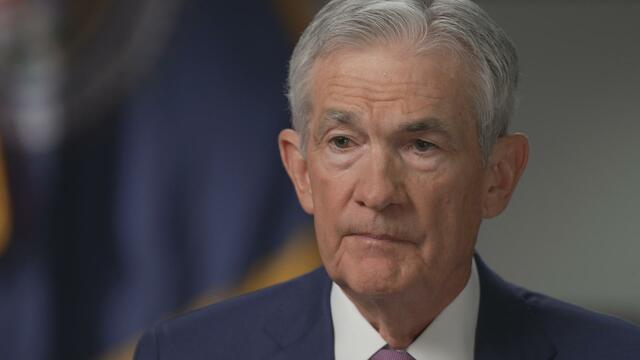
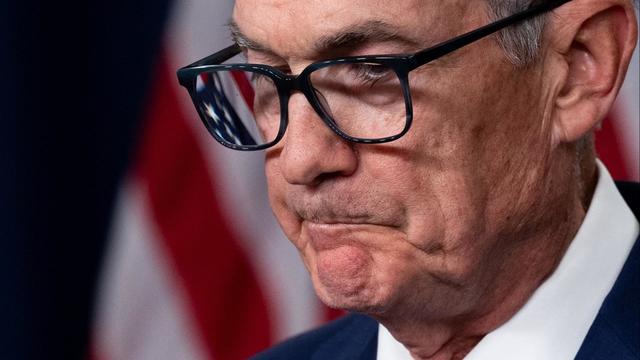
Federal Reserve Chair Jerome Powell gives his thoughts on inflation risks, the economy, the timeline for cutting rates, the health of the country’s banks and more. Scott Pelley reports.
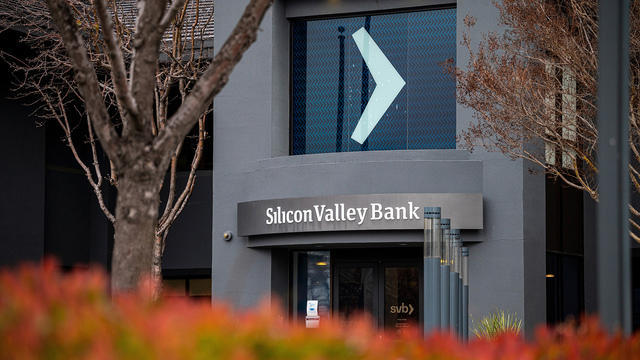
In an interview with 60 Minutes, chairman Jerome Powell said the Federal Reserve is working on regulations to prevent failures like Silicon Valley Bank.
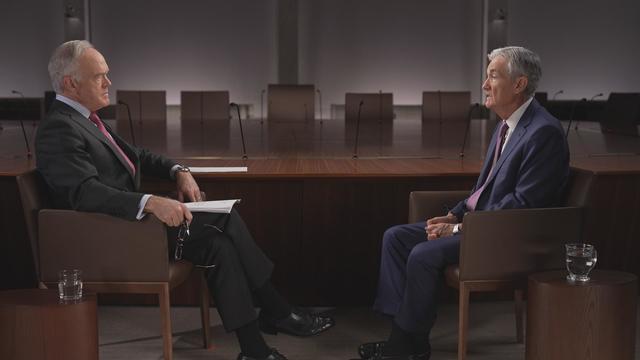
In a rare interview, Federal Reserve Chair Jerome Powell signaled the U.S. is nearing a long-awaited shift toward cutting interest rates. He shared more on timing and what he's waiting for.
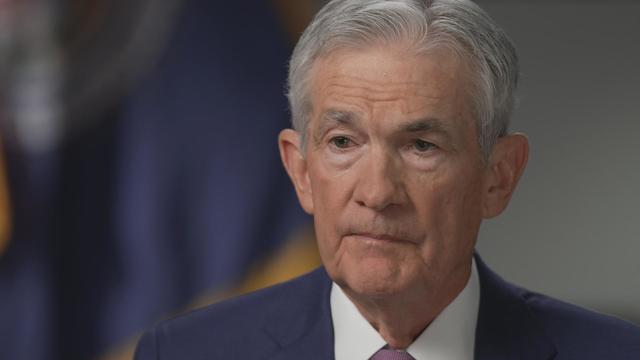
Federal Reserve Chair Jerome Powell gives his thoughts on inflation risks, the economy, the timeline for cutting rates, the health of the country's banks and more. Scott Pelley reports.
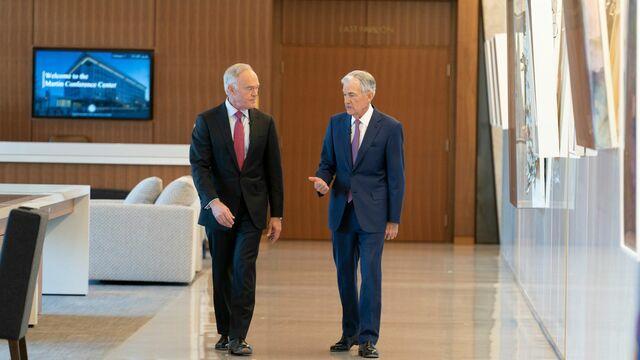
There is no better person to ask about the American economy than Federal Reserve Chairman Jerome Powell. This Sunday, 60 Minutes sits down with Powell to ask about the future of interest rates, whether prices will come down, and what the Fed might do next.

Data from the Federal Reserve shows price indexes for homes and rents are up nearly 50% compared to before the pandemic. Jeanna Smialek, Federal Reserve and U.S. economy reporter for The New York Times, joins CBS News to examine how much a president can do to curb prices.
The Federal Reserve announced Wednesday it would leave interest rates unchanged. Martin Baccardax, senior editor and chief markets correspondent for TheStreet, joins CBS News to discuss what the central bank is looking for to start cutting interest rates.
The Federal Reserve Board announced it will not change interest rates for now as it eyes how to lower inflation without running the risk of entering a recession. CBS News business analyst Jill Schlesinger looks at the Fed's decision and the upcoming cues to look out for in the economy.
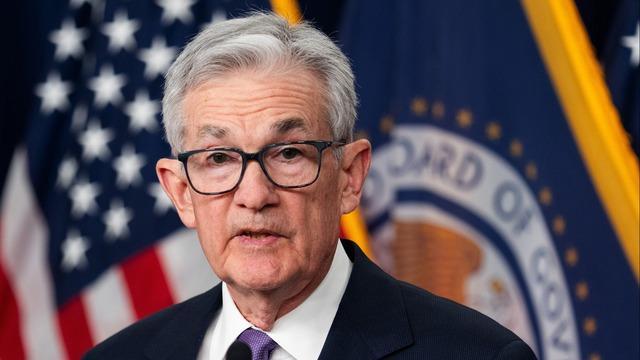
The Federal Reserve is holding its first rate meeting of the year Wednesday, with interest rates expected to be left unchanged. Jeanna Smialek, Federal Reserve and economy reporter for The New York Times, joined CBS News with more insight on the Fed's decision-making process.
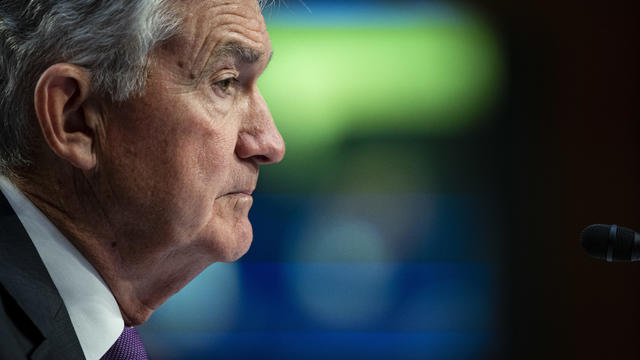
The Federal Reserve marked its first rate decision of 2024 by keeping its benchmark interest rate unchanged.
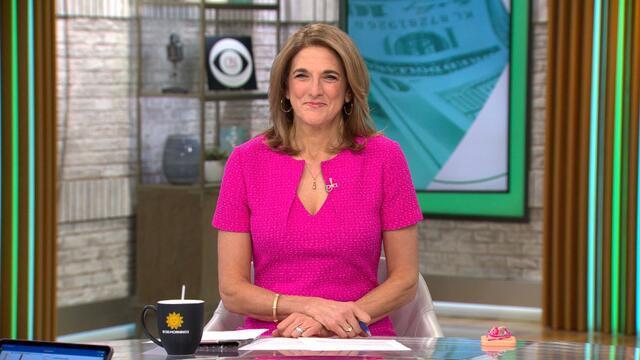
The Federal Reserve is expected to wrap up its first rate meeting of 2024 on Wednesday. CBS News business analyst Jill Schlesinger breaks down what to expect and how the Fed’s interest rate decisions affect your finances.
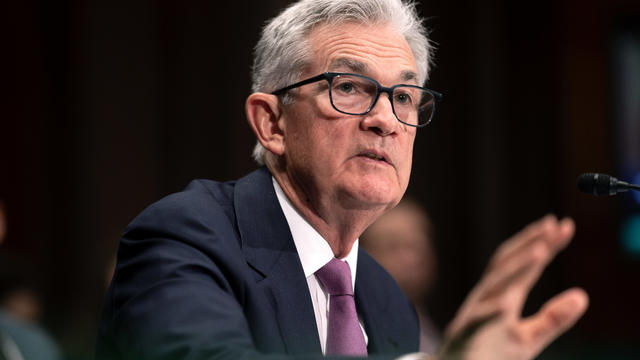
The Federal Reserve kept its benchmark rate steady at its first meeting of 2024. Here's what it means for your money.

Regional banks are seeing steep drops in their 2023 fourth quarter profits after avoiding a crisis last year as inflation persisted. Gina Heeb, a Wall Street Journal reporter, joins CBS News with her take on the regional banking outlook.
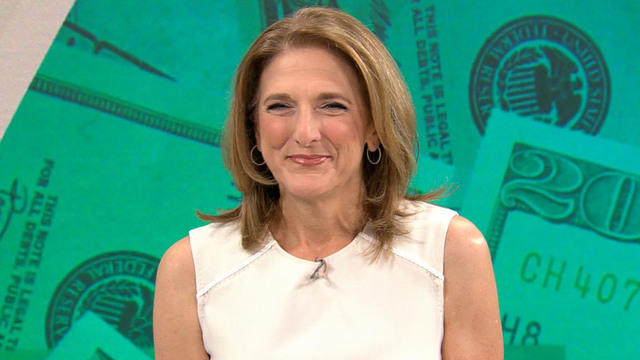
Inflation cooled in June to 3%, the lowest in more than two years, according to the U.S. Labor Department's Consumer Price Index. CBS News business analyst Jill Schlesinger joins "CBS Mornings" to discuss what this means for consumers and whether the Federal Reserve will continue to raise rates.
The U.S. economy had a robust end to 2023, with the gross domestic product exceeding expectations, according to a new Commerce Department report. Axios chief economic correspondent Neil Irwin joins CBS News to discuss the 2024 economic outlook.
The U.S. GDP grew at a faster rate than expected in the fourth quarter of 2023, increasing at a 3.3% annualized rate. CBS News business analyst Jill Schlesinger has more on the numbers, as well as possible changes to the child tax credit.
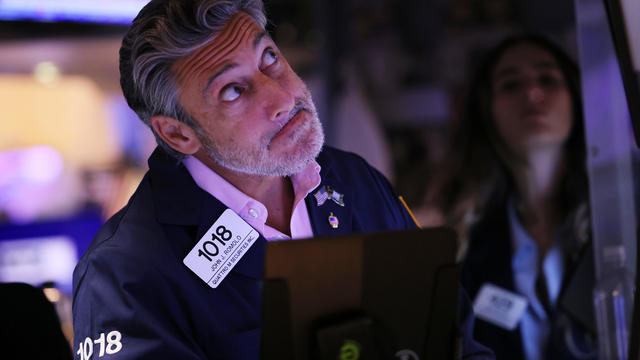
Wall Street ended the week with stocks at all-time highs, bolstered by investor expectations of Federal Reserve interest rates cuts.

New data on wholesale prices appears to indicate inflation may be moderating but has not yet cooled to the Federal Reserve's target. Greg Robb, an economics editor at MarketWatch, joins CBS News with insight on the new figures.
Inflation grew at an annual rate of 3.4% in December, higher than economists had predicted. The increase could impact whether the Federal Reserve chooses to lower interest rates. Higher prices and mortgage rates have also left many Americans struggling. Jo Ling Kent has more.
The labor market beat Dow Jones expectations in December with 216,000 jobs added, according to the latest labor report. The unemployment rate remained unchanged at 3.7%. Jeanna Smialek, a Federal Reserve and economy reporter for The New York Times, joined CBS News to break down the numbers.

The Federal Reserve has signaled it may cut interest rates in 2024 as inflation cools. CBS News contributor Javier David breaks down how likely those cuts may be.
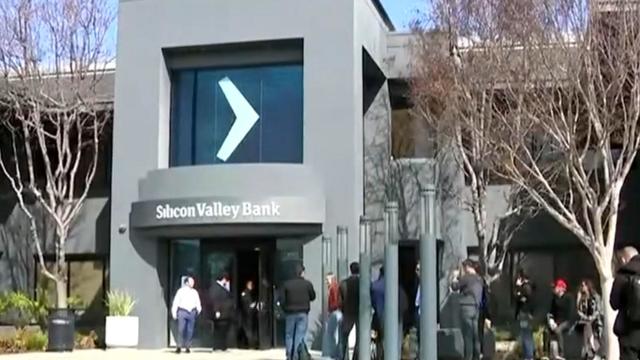
It has been a blockbuster year for investors, with the Dow Jones Industrial Average, the S&P 500 and the Nasdaq Composite all up with double-digit gains. However, the Federal Reserve battled the worst inflation in decades with several rate hikes, and 2023 marked the worst banking crisis since 2008, with three major institutions collapsing. Astrid Martinez reports.
Many experts predicted the U.S. would fall into a recession in 2023, mostly due to the Federal Reserve's interest rate hikes. The nation's economy is instead closing the year on a high note. CBS News senior business and tech correspondent Jo Ling Kent examines why.