Here's how the Fed's rate cut could impact your credit card balance
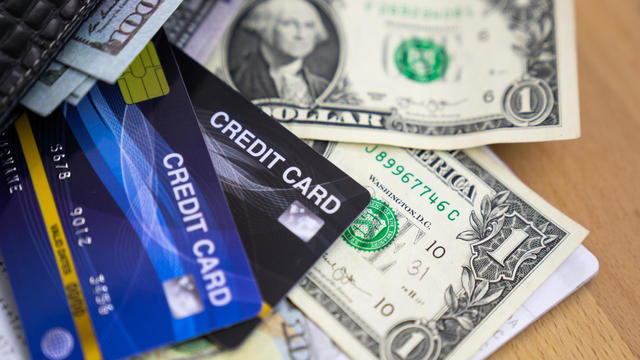
The Fed has slashed borrowing costs for the first time in more than four years. Here's how that would impact people with credit card balances.
Watch CBS News
The Fed has slashed borrowing costs for the first time in more than four years. Here's how that would impact people with credit card balances.
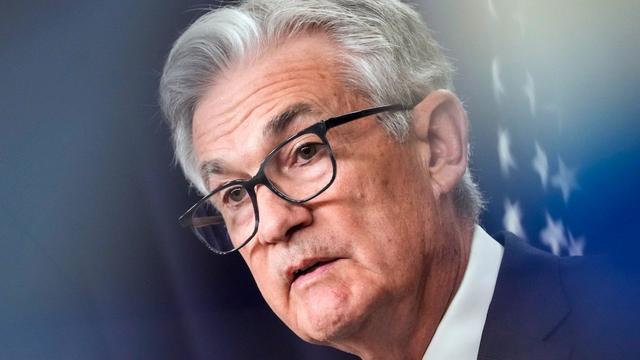
The Federal Reserve has announced a cut to interest rates by 0.50 percentage points. This is the first cut to its benchmark interest rate since March 2020. CBS News business analyst Jill Schlesinger and Al Root, an associate editor at Barron's, break down the news.
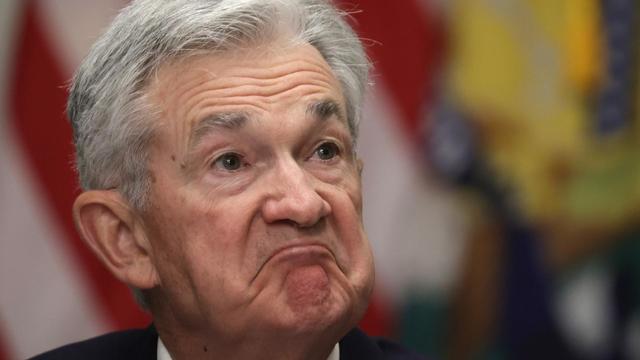
The Federal Reserve is expected to announce the first interest rate cut since 2020. CBS News business analyst Jill Schlesinger breaks down what economists predict may occur during today's announcement.
The Federal Reserve is expected to cut interest rates Wednesday for the first time in four years, but how big could the cut be? CBS News contributor Javier David has a preview of the decision.
Wall Street opened with a bumpy start Thursday after the producer price index in August rose in line with expectations. CBS News contributor Javier David discusses how the data might affect the Federal Reserve's interest rate decision next week.
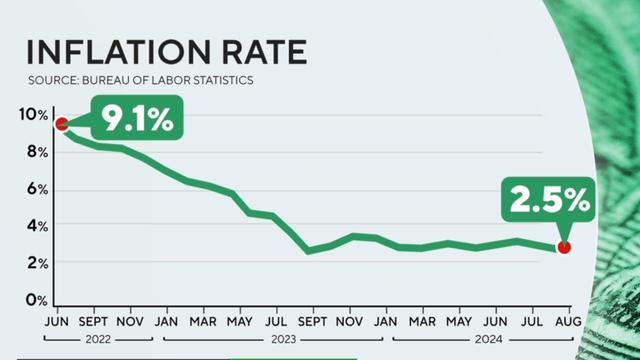
Inflation cooled further in August, falling to a three-year low and cementing views that the Federal Reserve will soon start cutting interest rates. Martin Baccardax, senior editor and chief markets correspondent for the Street, joins to discuss.
The inflation rate dropped to 2.5% in August, according to the latest data from the Labor Department, a further sign that the Federal Reserve will enact interest rate cuts when it meets next week. Jo Ling Kent has details.
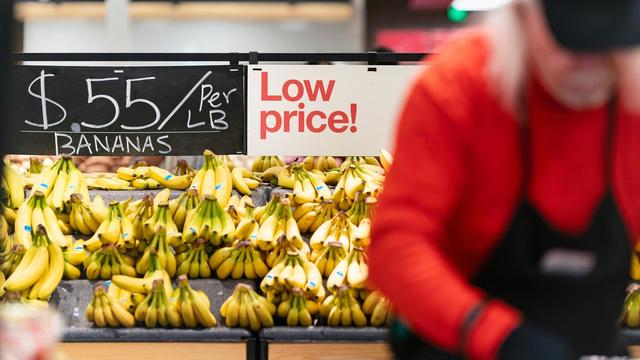
The Federal Reserve could cut interest rates during its Sept. 18 meeting after months of no change. CBS News business analyst Jill Schlesinger breaks down why consumer prices remain high despite inflation dropping to its lowest level since early 2021.

The Consumer Price Index rose 0.2% in August, the same as July, putting the 12-month inflation rate at 2.5%. CBS News contributor Javier David has a look at the numbers and what they might mean for interest rates.
The U.S. added 142,000 jobs in August, the Labor Department reported Friday, which was below forecasts, although the unemployment rate ticked down to 4.2%. Economists still overwhelmingly anticipate an interest rate cut from the Federal Reserve in mid-September. Jo Ling Kent has details.
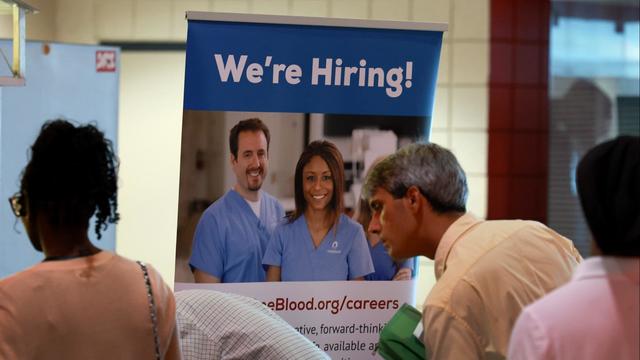
The U.S. added 142,000 jobs in August, slightly below economists' expectations while unemployment decreased from 4.3% to 4.2%. CBS News business analyst Jill Schlesinger has more on what that means for the Federal Reserve's upcoming decision on interest rates.
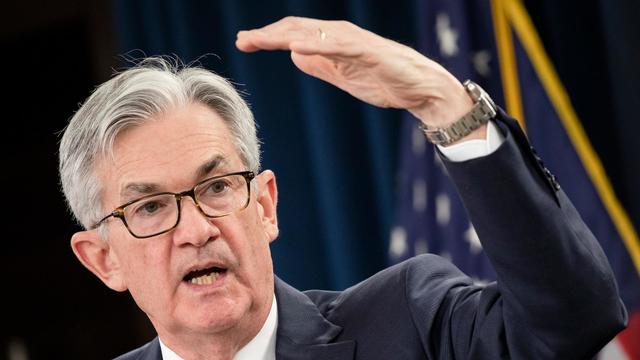
The Federal Reserve is expected to cut interest rates in September as inflation appears to cool. CBS News contributor Javier E. David has more on what to expect.
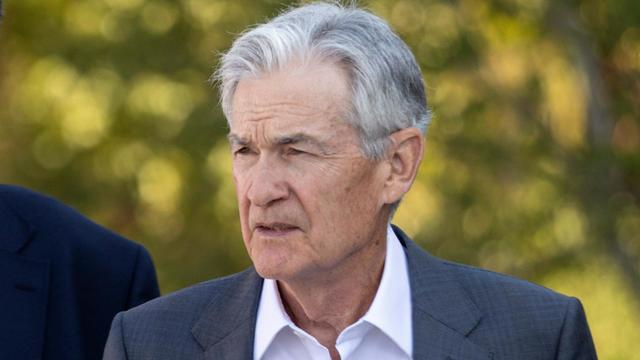
Federal Reserve Chair Jerome Powell signaled Friday that the economy is ready for interest rate cuts, a move economists have been expecting will take place in September. CBS News contributor Javier E. David has more.
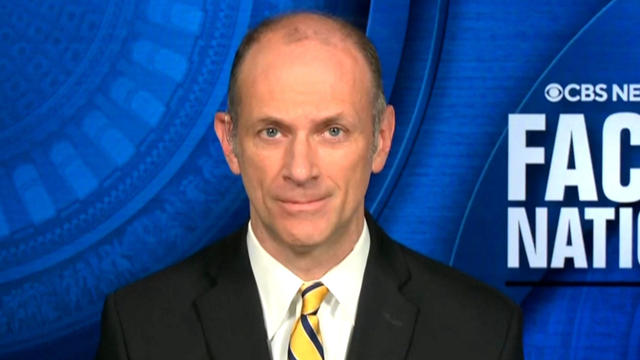
Austan Goolsbee, the president and CEO of the Federal Reserve Bank of Chicago, tells "Face the Nation with Margaret Brennan," that he doesn't think it's a "certainty" that the Federal Reserve will lower interest rates in September. "We've been making clear for a while what economic conditions would be appropriate for us to cut rates, for us to hold rates where and they are and things like that."
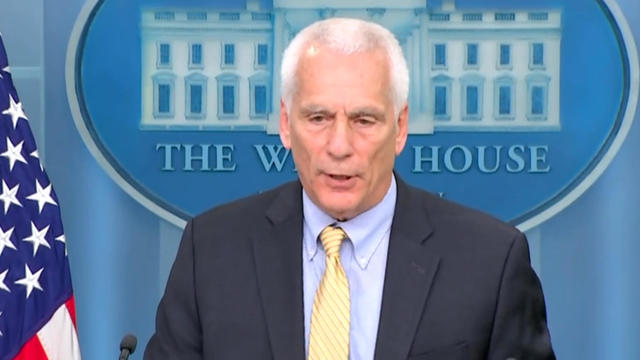
The Labor Department reported Wednesday that consumer prices rose just 2.9% in July, the first time the year-over-year inflation rate has dropped below 3% since March of 2021. However, despite the good economic data, for many Americans monthly expenses such as rent, auto insurance and electricity remain stubbornly high. Jo Ling Kent reports.
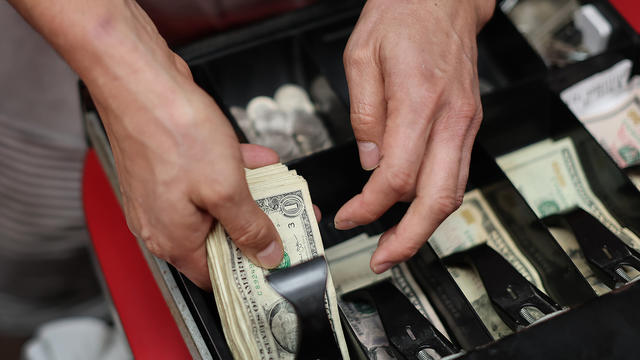
The great inflation spike of the past three years is nearly spent - and economists credit American consumers themselves for helping to slay it.
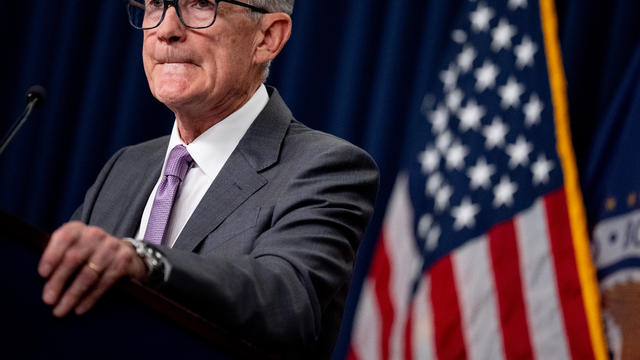
A stock market rout and slower economic growth could soon lead to lower borrowing costs. Here's what experts think the Fed will do with interest rates.
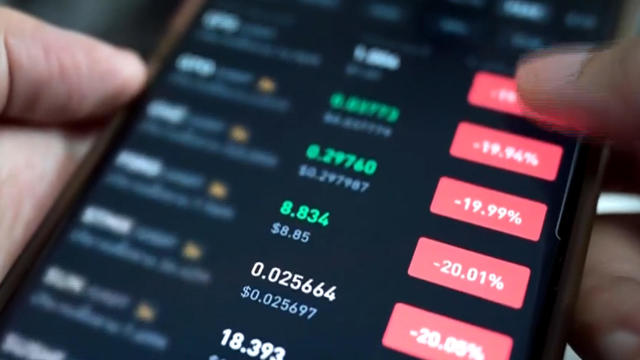
The stock market took a big slide Monday following a lackluster jobs report and growing fears of a recession in the next year. Jo Ling Kent breaks down what it all means.
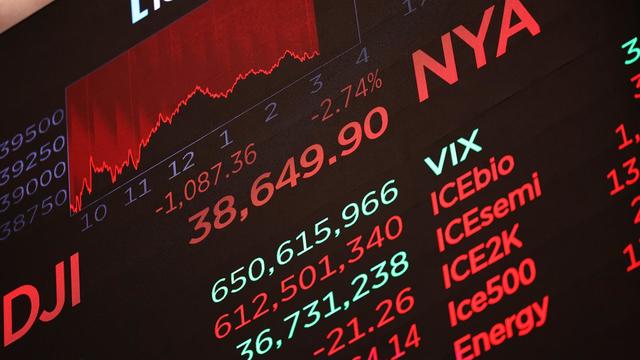
Fears of a U.S. economic slowdown sent markets falling at the start of the trading week on Monday, with markets in Asia and Europe falling as well. CBS News senior business and tech correspondent Jo Ling Kent has more from New York.
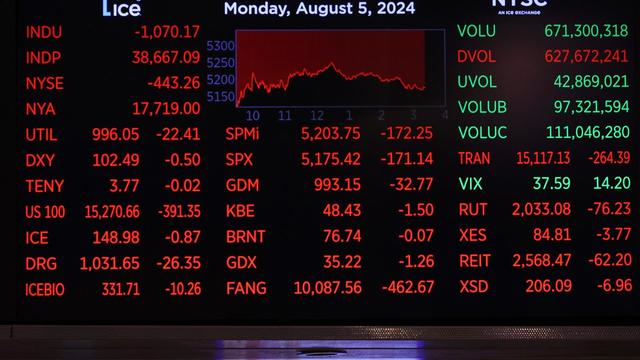
Stocks plunged Monday amid fears that the U.S. is entering the early stages of a recession, with the Dow Jones falling 2.6 percentage points. CBS News senior business and tech correspondent Jo Ling Kent examines what's driving the global economic uncertainty.
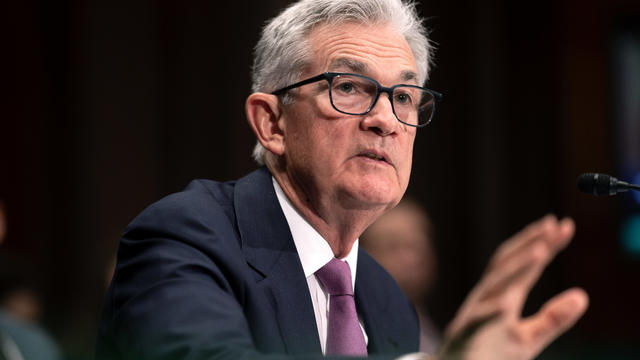
The last time the Federal Reserve enacted an emergency rate cut was in March 2020, when the pandemic caused an economic shutdown.
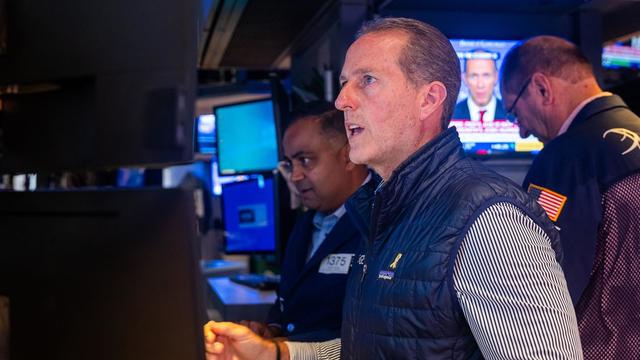
U.S. markets are taking a hit Monday with the Dow falling over 1,000 points to start the day and semiconductor stocks like Nvidia and Intel dipping over 7%. Overseas, Japan's market had the worst day in its history, dropping over 12%. CBS News contributor J.D. Durkin has more.
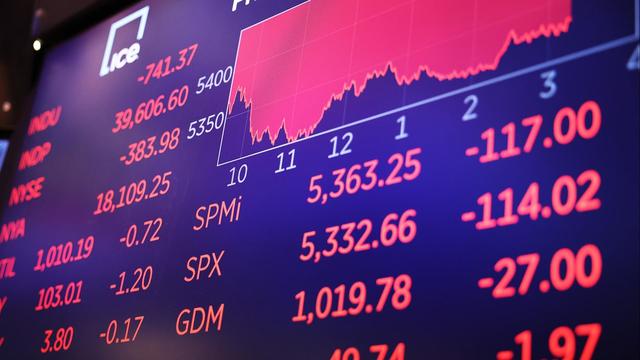
The stock market plunged Friday after a weaker-than-expected July jobs report raised fears of a slowing economy. But should Americans actually be worried about the sell-off? CBS News contributor JD Durkin joins to discuss.
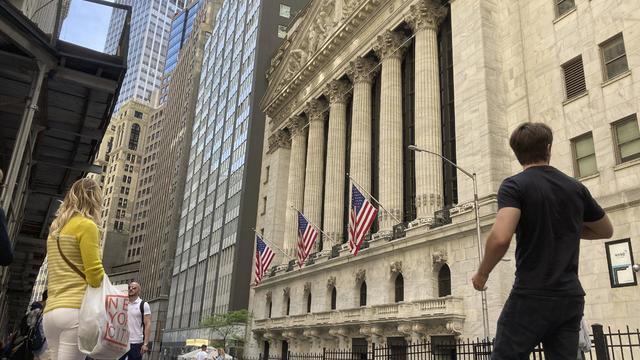
Signs that the job market is slowing down are renewing investor concerns that the U.S. economy is losing steam.
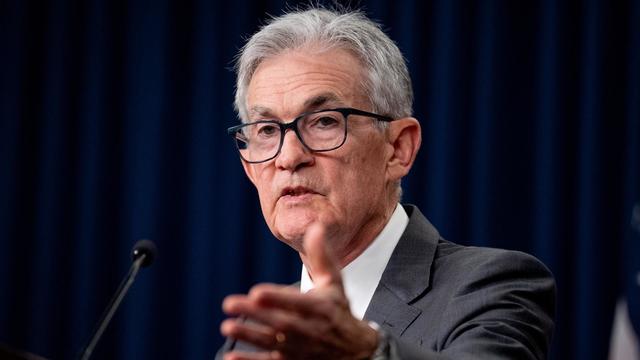
The Federal Reserve said Wednesday it is leaving its benchmark interest rate unchanged. The announcement means policymakers will hold the federal funds rate between 5.25 and 5.50%, the highest level in 23 years. Martin Baccardax, senior editor and chief markets correspondent for TheStreet, joins CBS News to examine the decision.