North Greenland has lost 35% of its ice shelves, study says
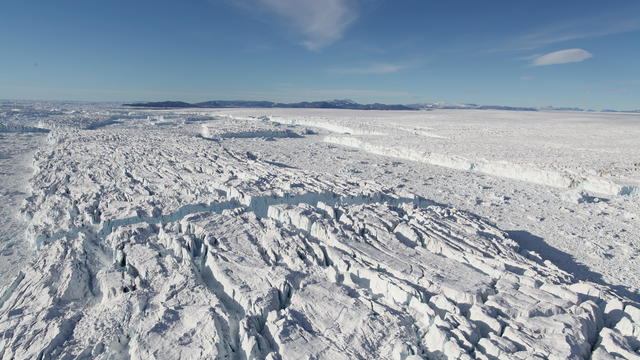
The Greenland ice sheet is the second-largest contributor to sea level rise, and as temperatures rise, glaciers in the northern parts of the region are becoming "extremely vulnerable."
Watch CBS News
The Greenland ice sheet is the second-largest contributor to sea level rise, and as temperatures rise, glaciers in the northern parts of the region are becoming "extremely vulnerable."
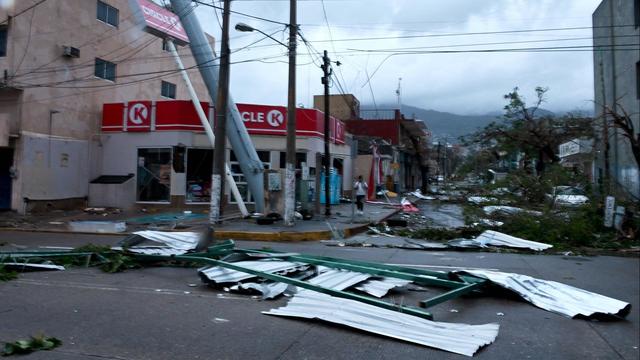
In under 24 hours, Tropical Storm Otis exploded in strength and hit Mexico as a Category 5 hurricane Wednesday. A new U.N. climate report issued the same day warns Earth is close to multiple "risk tipping points." CBS News senior national and environmental correspondent Ben Tracy explains how it's all connected.

The MacArthur Foundation named the winners of its 2023 "genius grants" this week. Arizona State University anthropologist Amber Wutich, who received a grant for her research into water insecurity, joins CBS News to discuss the impact of access to safe and clean drinking water.
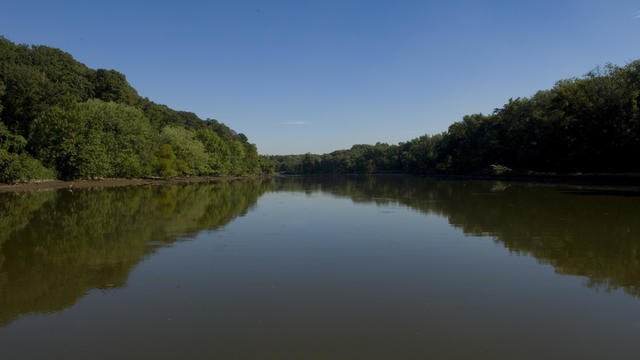
The Potomac Electric Power Company is accused of spilling or releasing petroleum and nationally-banned industrial products into the soil and groundwater for nearly a century.

Arizona Gov. Katie Hobbs has moved to end a farming deal with a subsidiary of a major Saudi dairy company. Since 2015, Fondomonte has pumped huge amounts of groundwater from beneath the earth's surface to grow alfalfa in the rural Arizona desert. CBS News senior national and environmental correspondent Ben Tracy has more.

Evangelical Christians are the group that is most skeptical of climate change, data shows, but a new generation of believers inside the church is trying to change their minds. Young activists are trying to fight climate denial among their peers and leaders. Adam Yamaguchi reports.

California, Arizona and Nevada may be on the brink of a major agreement to conserve water from the Colorado River, according to the Washington Post. Conrad Swanson, environmental and political reporter at the Denver Post, explains the issues at the heart of the deal. Correction: An earlier version of this story incorrectly said the state of Colorado was a part of the then-pending agreement. It was not.

A group of six young people from Portugal have accused 32 countries of failing to tackle climate change fast enough, and therefore infringing on their human rights

Without replenishment from the Colorado River, the Salton Sea in Southern California is rapidly receding, exposing to the wind a dry and toxic lakebed that could pose ongoing health risks to the surrounding community. Jonathan Vigliotti has more.

Monsanto denies the allegations and says it will "vigorously defend against these claims."

In this episode of “Protecting the Planet,” CBS News senior environmental correspondent Ben Tracy explores the worldwide effort to recycle and how there is still so much more work to be done.

Hurricane Lee could potentially grow into the season's first Category 5 storm as it churns in the Atlantic Ocean. CBS News senior weather and climate producer David Parkinson has the latest forecast.
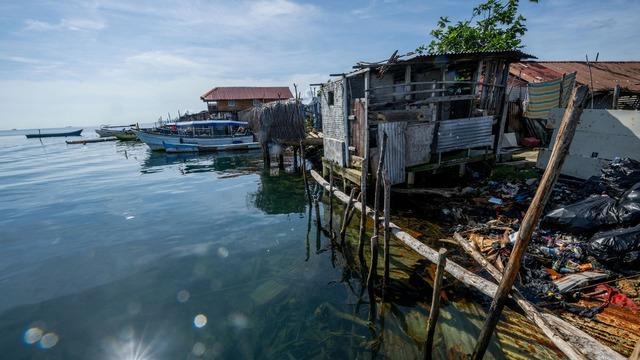
Earth keeps on warming, according to a new "State of the Climate" report from the National Oceanic and Atmospheric Administration. CBS News senior national and environmental correspondent Ben Tracy has more on the findings.

Large-scale palm oil harvesting destroys rainforests and pollutes communities, according to the World Wildlife Foundation.

A market-leading milling player, incorporating innovative solutions to produce the highest quality flour, feed, bran and wheat derivatives.

Some experts have concerns about how resource-intensive artificial intelligence is impacting the environment. They also say AI has the potential to be a powerful tool to fight climate change, if used correctly.

NGO Amazon Frontlines said the vote was a "demonstration of climate democracy, where people, not corporations, get to decide on resource extraction and its limits."

A California climate organization for young people is putting its own twist on the popular board game Dungeons & Dragons. The Oakland-based group is creating a collection of 10 original role-playing adventures in which players tackle social and environmental issues rather than fictional monsters. Lil Milagro Henriquez, founder and executive director of Mycelium Youth Network, joins CBS News to explain the game's rules and discuss what the organization hopes young people take away from playing.

Climate activists are celebrating a Monday court decision in which a judge ruled Montana had violated plaintiffs' rights to a clean and healthful environment. Experts call this ruling the "first of its kind" not only for its potential environmental effects, but also because the plaintiffs were some of the state's youngest citizens -- ranging in age from five to 22. Plaintiff Badge Busse and attorney Julia Olson join CBS News to discuss the case.

July 2023 was the hottest month on record. The global average temperature was 62.51 degrees Fahrenheit -- nearly two-thirds of a degree hotter than the previous record set in 2019, and more than one degree hotter than the average set over the last 30 years, according to the Copernicus Climate Change Service. Journalist and writer Jeff Goodell explains the significance of the numbers.

In December 2022, California scientists achieved a major breakthrough -- a nuclear fusion reaction that produced more energy than was used to create it. Scientists have done it again and this time their results produced even more energy. Professor Peter Hosemann, chair of nuclear and mechanical engineering at the University of California, Berkeley, joins CBS News to discuss the implications of this accomplishment.

Scientists announced a grim milestone this month: The world's oceans hit the hottest average recorded temperature. Ian Lee has more on why that's so alarming, and what it means.
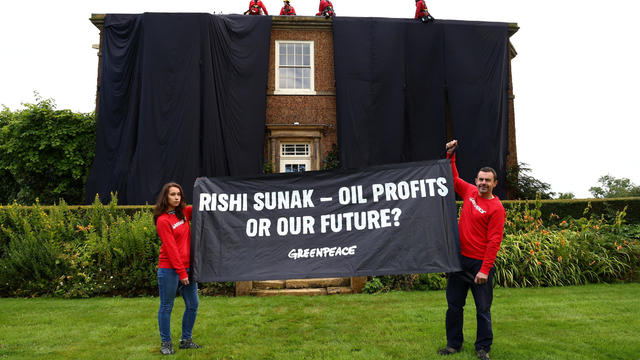
Greenpeace activists draped Prime Minister Rishi Sunak's Yorkshire house in black fabric in response to the U.K. government's oil exploration policy.

The EPA is poised to change the iconic "chasing arrows" recycling symbol for plastics, citing confusion around its meaning since many plastics cannot easily be recycled. CBS News environmental correspondent David Schechter reports.

Places like Miami, Florida, and New York City may witness significant reductions to their shorelines and more extreme heat as climate change continues. Architectural Digest listed the most climate-resilient cities -- with Denver taking the top spot. Daniel Cusick, climate reporter for E&E News by Politico, joined CBS News to break down what makes these cities so resilient when it comes to climate change.