Parents navigate mixed messaging on child vaccine recommendations
Parents are navigating mixed messaging about childhood vaccinations from federal and state officials.
Watch CBS News
Parents are navigating mixed messaging about childhood vaccinations from federal and state officials.

The CDC's Advisory Committee on Immunization Practices concluded its two-day meeting on Friday, with significant updates to vaccine recommendations. Dr. Amesh Adalja, senior scholar at the Johns Hopkins Center for Health Security, joins CBS News to discuss.
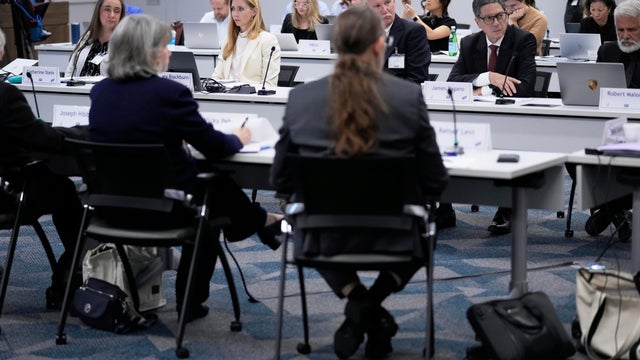
The Centers for Disease Control and Prevention's vaccine recommendations committee wrapped two days of meetings that involved votes on COVID-19 vaccines, measles and more.

The CDC's Advisory Committee on Immunization Practices, with members appointed by RFK Jr., voted on changes to COVID-19 vaccine recommendations.
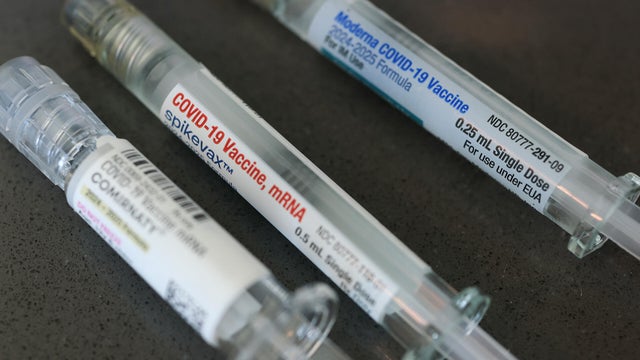
The CDC's Advisory Committee on Immunization Practices voted Friday to end its universal COVID-19 vaccine recommendation, instead advising shots be taken based on "individual-based decision making." CBS News senior national correspondent Mark Strassmann breaks down the decision. Then, Dr. Georges Benjamin, executive director of the American Public Health Association, joins with his reaction.
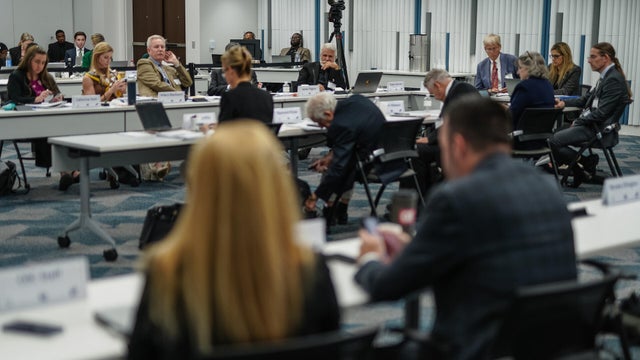
The U.S. Centers for Disease Control and Prevention's vaccine advisory committee wrapped two days' worth of meetings that involved votes on a range of recommendations regarding vaccines for COVID-19, measles and more. Dr. Celine Gounder has details.

The CDC's Advisory Committee on Immunization Practices met Thursday to discuss and vote on the hepatitis B and measles, mumps, rubella and varicella (MMRV) vaccines for children.
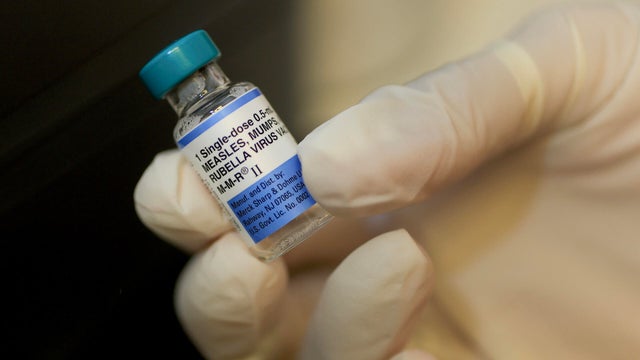
The CDC's Advisory Committee on Immunization Practices voted to change its recommendation on the combined MMRV vaccine, saying "the combined MMRV vaccine is not recommended" before age 4, but that children in that age group can receive separate doses of the MMR and varicella vaccines. Dr. Celine Gounder explains.

A panel that advises the CDC voted to shift its guidance on immunizing children under 4 with the combined measles, mumps, rubella, varicella vaccine. Instead of the combined shot, the advisory panel voted to recommend the age group get an MMR vaccine and a varicella vaccine separately. Mark Strassman has more.

The Centers for Disease Control's vaccine committee voted Thursday to change its recommendation for the combined measles, mumps, rubella and varicella (MMRV) vaccine. CBS News medical contributor Dr. Céline Gounder breaks down the change.
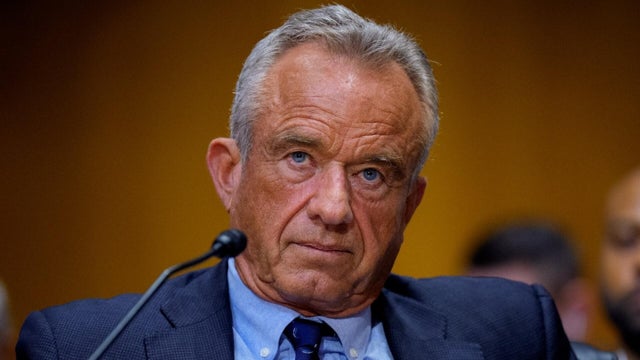
The Centers for Disease Control's vaccine advisory panel is meeting Thursday and Friday to decide whether to change recommendations for vaccinations. The meeting comes after Health Secretary Robert F. Kennedy Jr. fired the CDC's director last month and replaced the entire vaccine advisory panel with his allies. Dr. Amesh Adalja from the Johns Hopkins Center for Health Security joins CBS News to discuss.

California, Hawaii, Oregon and Washington on Wednesday issued unified recommendations on COVID-19, influenza and RSV vaccines that differ from those issued by the U.S. Centers for Disease Control and Prevention.
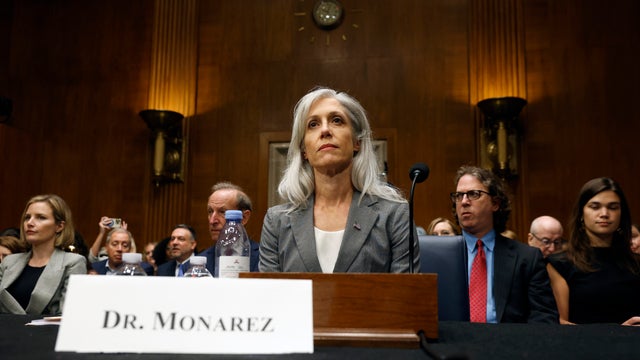
Former CDC Director Susan Monarez and Chief Medical Officer Debra Houry testified before a Senate panel weeks after departing in a dramatic shakeup at the health agency.

During a Senate hearing, former CDC Director Susan Monarez refuted accusations of untrustworthiness from her former boss, RFK Jr. Monarez insists the health secretary pushed to change vaccine policy without scientific data. Dr. Celine Gounder has more.
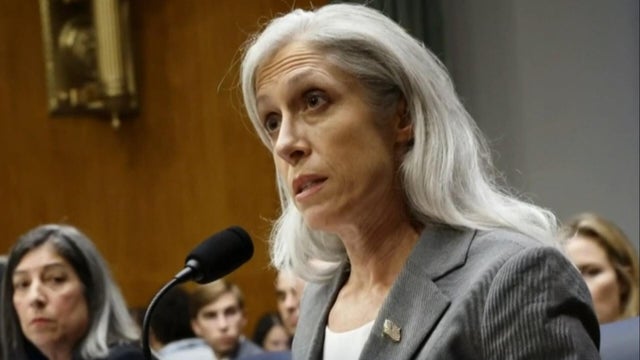
Susan Monarez, who was ousted from the Centers for Disease Control and Prevention by Health and Human Services Secretary Robert F. Kennedy Jr., testified before the Senate committee focused on health that she faced pressure from the secretary to change the childhood vaccine schedule. Caitlin Huey-Burns has details.

A two-day meeting of the CDC's Advisory Committee on Immunization Practices, with new members appointed by RFK Jr., could reshape public trust in childhood vaccines and reduce access.
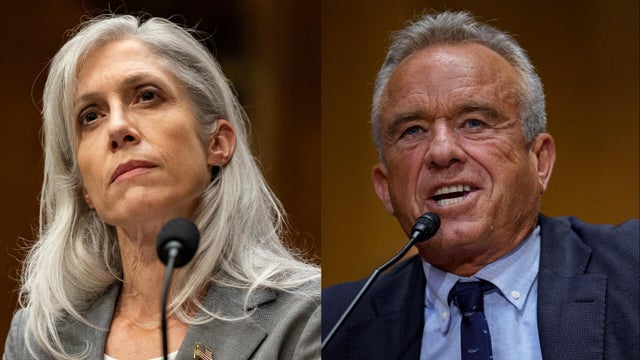
Former CDC Director Susan Monarez on Wednesday told a Senate committee on Wednesday her side of getting fired by Health Secretary Robert F. Kennedy Jr. CBS News congressional correspondent Caitlin Huey-Burns reports.
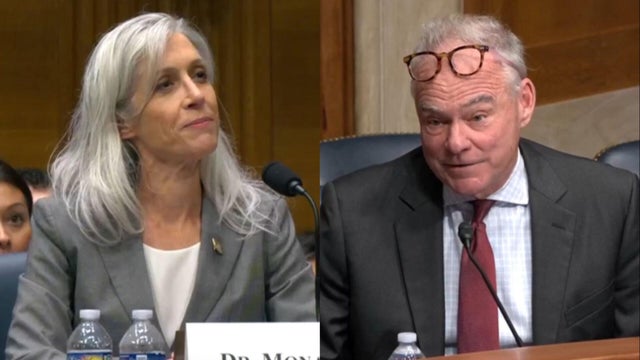
Democratic Sen. Tim Kaine apologized to former CDC Director Susan Monarez for questioning her backbone to stand up to the Trump administration if necessary. Monarez appeared before the Senate Health Committee to testify about her firing.

Former CDC Director Susan Monarez testified before lawmakers on Capitol Hill on Wednesday in the wake of her firing in August. CBS News medical contributor Dr. Céline Gounder joins to discuss the moments that stood out to her.
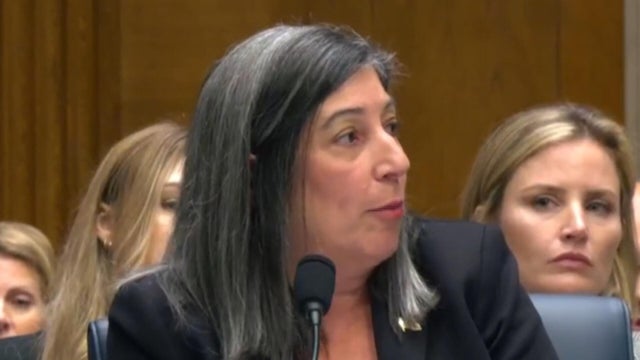
In response to a question from Democratic Sen. Angela Alsobrooks of Maryland at a Senate hearing on Wednesday, former CDC chief medical officer Dr. Debra Houry called on Robert F. Kennedy Jr. to resign as secretary of health and human services.
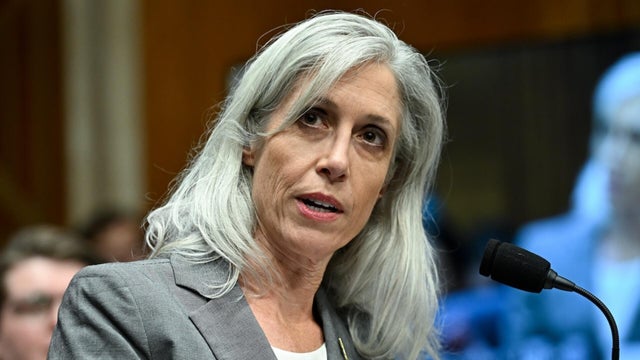
At a Senate hearing on Wednesday, Democratic Sen. John Hickenlooper of Colorado asked former CDC Director Susan Monarez about guardrails she proposed surrounding the vaccine advisory committee. Monarez renewed her calls for transparency around the group.
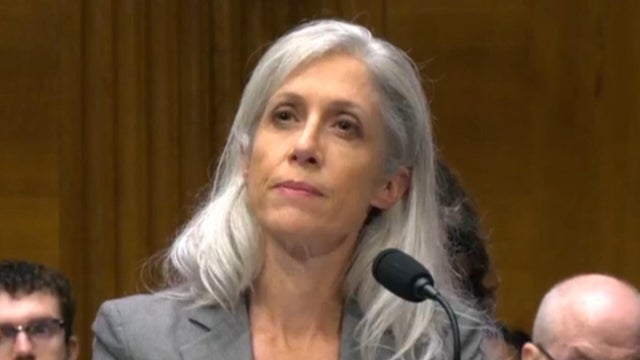
Republican Sen. Susan Collins of Maine asked former CDC Director Susan Monarez at a Senate hearing on Wednesday if Health Secretary Robert F. Kennedy Jr. consulted her about replacing members on the vaccine advisory committee. Monarez said no.
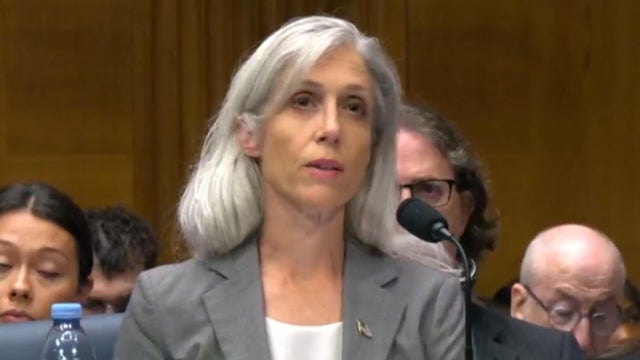
Former CDC Director Susan Monarez said HHS Secretary Robert F. Kennedy Jr.'s claim that she lied "is not accurate." During Sen. Bernie Sanders' questioning, Monarez said her worst fear was being in a "position of approving something that would reduce access to life-saving vaccines to children and others who need them."
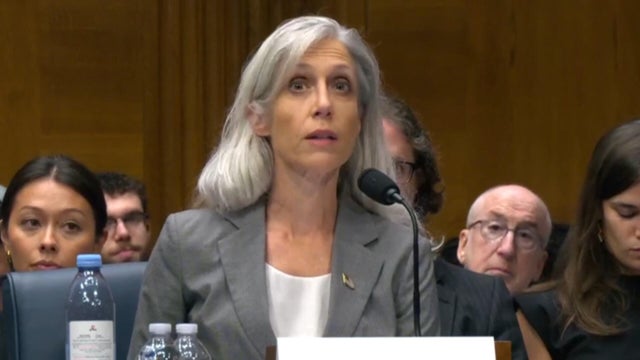
Former CDC Director Susan Monarez told Sen. Bill Cassidy that HHS Secretary Robert F. Kennedy Jr. spoke with President Trump about changing the childhood vaccine schedule. When Monarez asked if there was science or data to support the change, Kennedy said there wasn't.
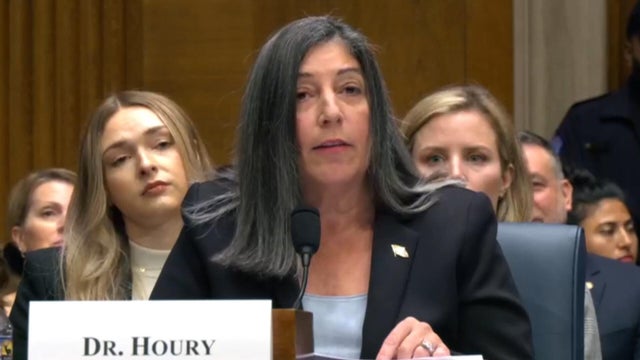
Former CDC Chief Medical Officer Debra Houry appeared at a Senate Health Committee hearing on Wednesday. In her opening statement, she said she resigned from her position because HHS Secretary Robert F. Kennedy's actions "censored CDC science, politicized our processes, and stripped agency leaders of the ability to protect the health of the American people."