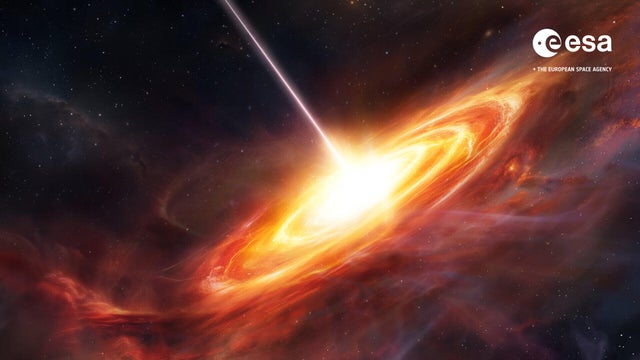
Telescope spots most distant quasars ever discovered
Quasars — the brightest objects in the universe — are powered by supermassive black holes at the heart of early galaxies.
Watch CBS News
Quasars — the brightest objects in the universe — are powered by supermassive black holes at the heart of early galaxies.
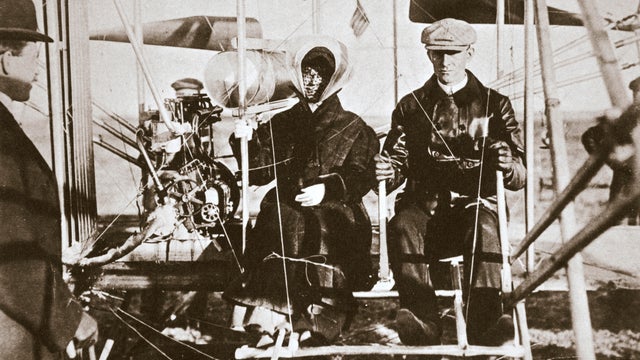
From the lightbulb to the airplane, to medical breakthroughs and the internet age, the past 250 years have been defined by America's intrepid intellect.
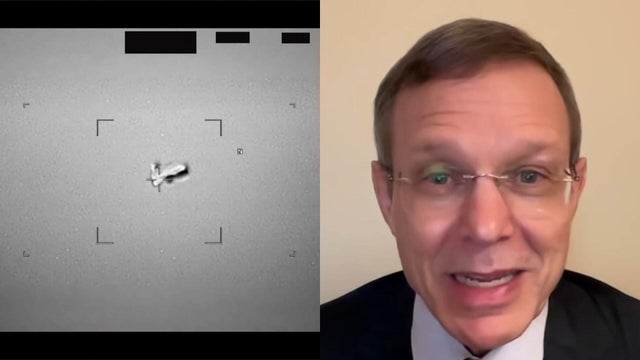
The White House appointed former Harvard University astronomer Avi Loeb to lead its new panel on Unidentified Anomalous Phenomena, also known as UAPs and UFOs. Loeb shares his enthusiasm for his new role.
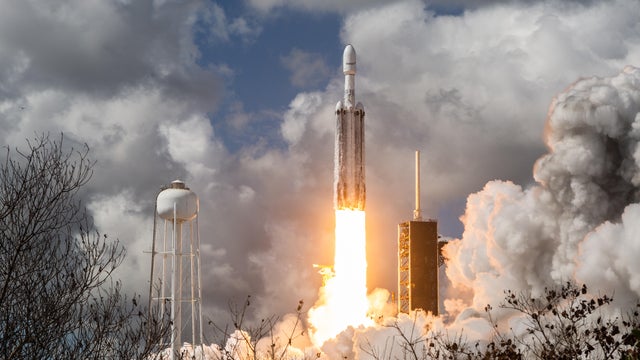
From space to healthcare and artificial intelligence, what could the next 250 years of the United States look like?
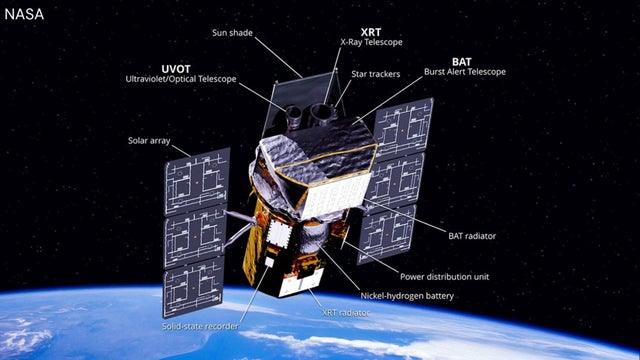
NASA is in a race against time as the Swift Observatory telescope in orbit sinks closer to Earth. CBS News consultant William Harwood explains the $30 million salvage operation.
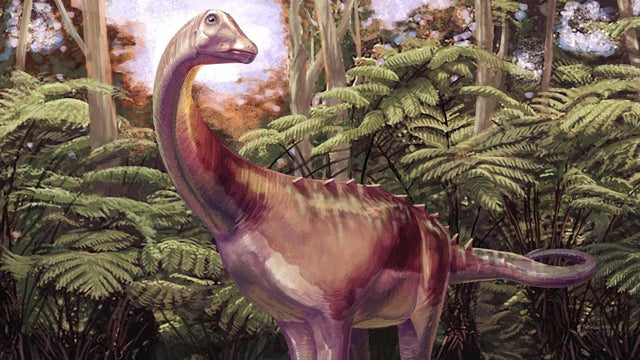
Dinosaur fossils are rare to find in Antarctica because of the unforgiving ice caps. But millions of years ago, the region was populated by lush forests.
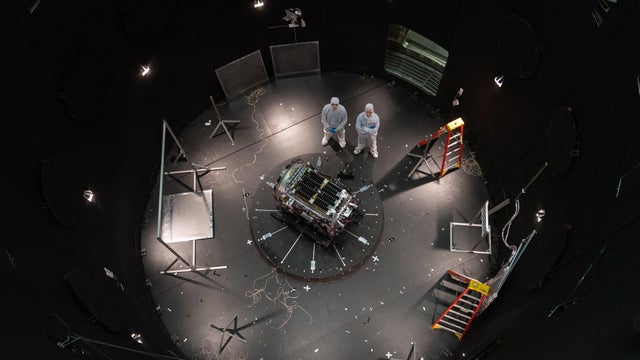
The $30 million salvage operation gets underway as soon as this week with the planned launch of a robotic lifesaver.

The featherweight pair — orbiting a star 1,110 light-years away — are the biggest exoplanets found to have less density than cotton candy.

Human and animal remains unearthed in Egypt's Nile Delta reveal changing funerary practices over some 600 years, and the evolution of a key site itself.
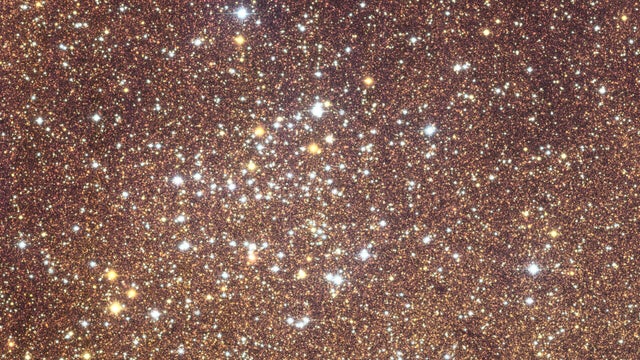
Euclid is on a mission to chart one-third of the sky in the hopes of shedding light on the enduring mysteries of dark matter and dark energy.