Science
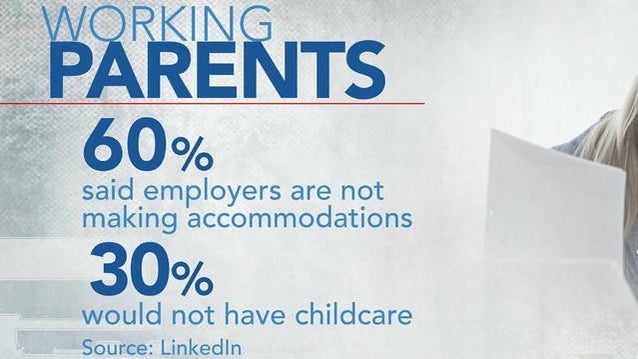
Returning to work during the pandemic
LinkedIn News Editor-at-Large Caroline Fairchild shares new data on what LinkedIn members are saying about returning to the office, as well as tips on how to discuss working remotely with your boss.
Watch CBS News
LinkedIn News Editor-at-Large Caroline Fairchild shares new data on what LinkedIn members are saying about returning to the office, as well as tips on how to discuss working remotely with your boss.
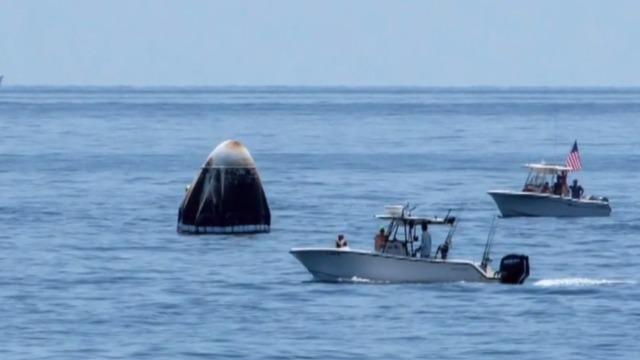
Two NASA astronauts are back home in Houston after a historic return to Earth. It was the first splashdown by U.S. astronauts in 45 years, and the first commercial mission to carry a crew to and from the International Space Station. Mark Strassmann reports.
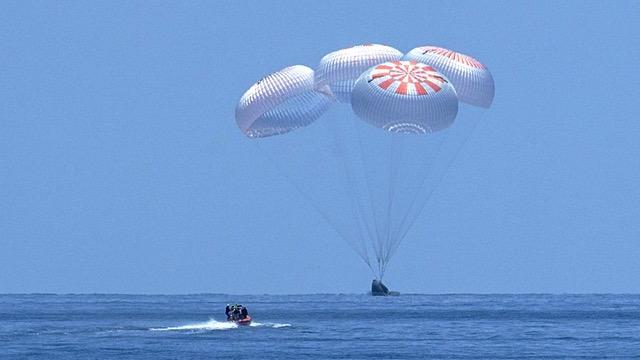
Sunday's splashdown was the first by U.S. astronauts in 45 years, with the first commercially built and operated spacecraft to carry people to and from orbit.
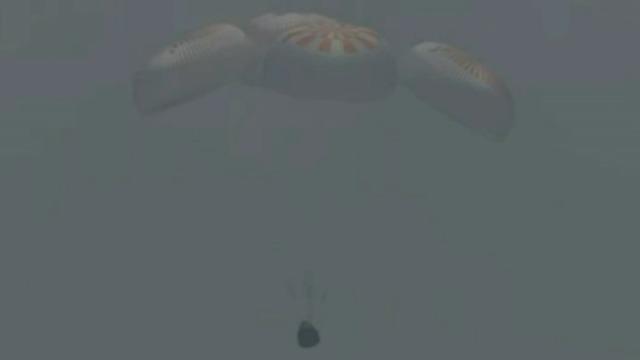
Doug Hurley and Bob Behnken, two NASA astronauts, returned to Earth in a dramatic, retro-style splashdown, their capsule parachuting into the Gulf of Mexico to close out an unprecedented test flight by Elon Musk's SpaceX company. Watch their landing and and commentary from CBS News space analyst Bill Harwood and retired Air Force veteran Colonel Scott Caine.
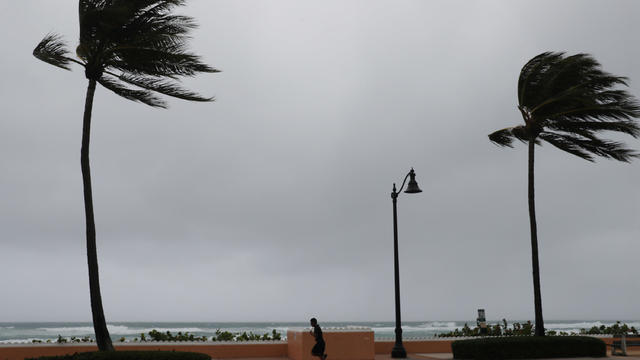
A hurricane watch is in effect from South Santee River, South Carolina, to Surf City, North Carolina.
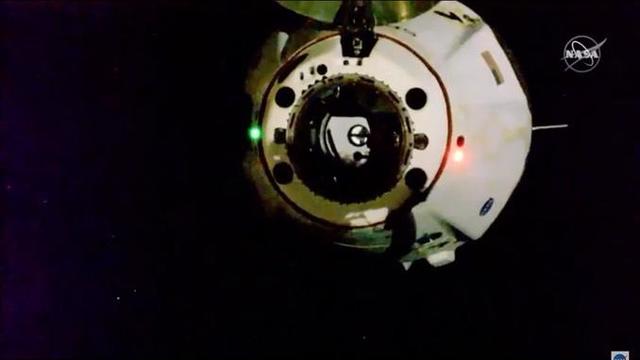
Splashdown will set the stage for operational Crew Dragon flights to begin later this year.
"I think we're finding more plastic bottles. And well, more plastics in general," said Emily Stevenson, who spent over a decade cleaning up the shores in South West England.
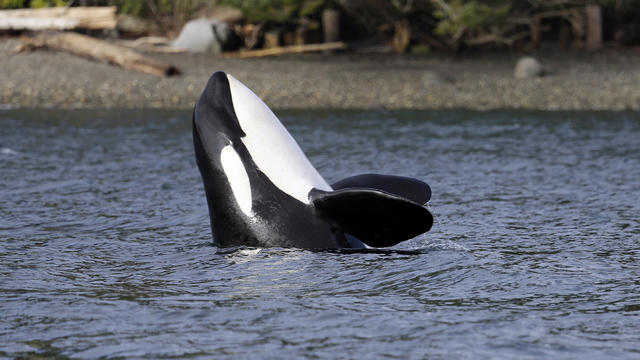
"Just the loss of one whale or the harm to one whale could have population level impacts," an orca researcher said.
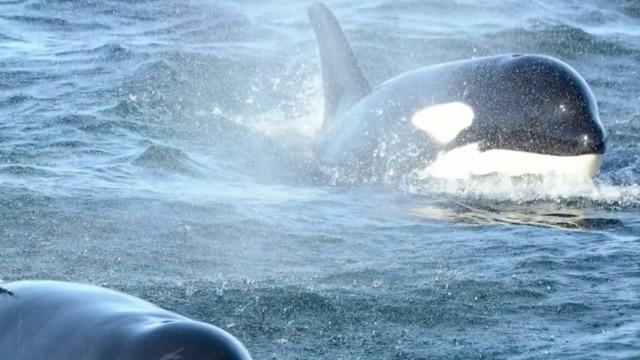
In the Pacific Northwest, an endangered community of killer whales has been on the decline for years due to a variety of factors, all related to human activity. Now, advocacy groups are warning of another looming threat which could further weaken the killer whale population: the U.S. Navy. Jeff Berardelli reports.
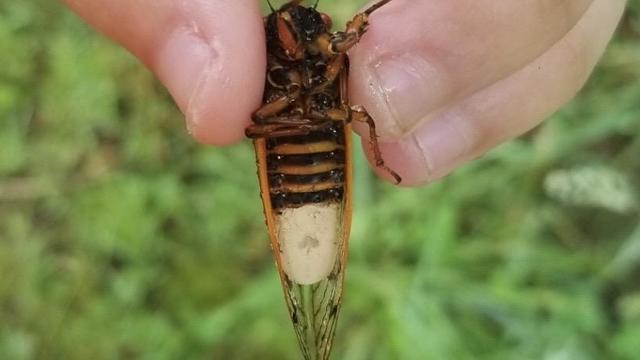
After more than a decade underground, "zombie cicadas" emerge to "enlist living insects to do their bidding."