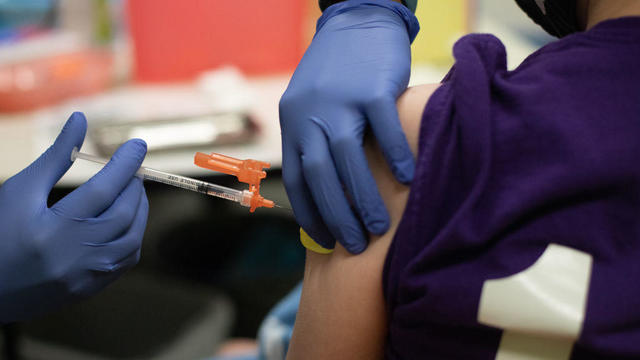
Pfizer developing COVID vaccine booster as Delta variant spreads
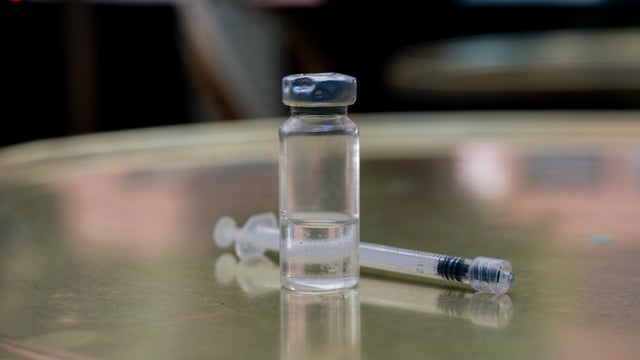
Pfizer and BioNTech plan to share their booster data with the FDA in August and file for emergency use authorization shortly thereafter.
Watch CBS News
Pfizer and BioNTech plan to share their booster data with the FDA in August and file for emergency use authorization shortly thereafter.
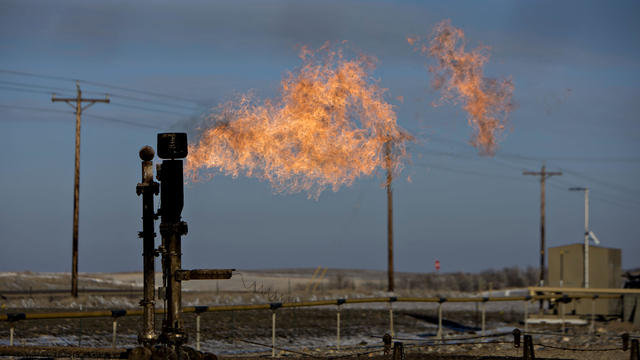
Natural gas is supposed to be a cleaner fossil fuel, but methane leaks make it as bad for the planet as burning coal.
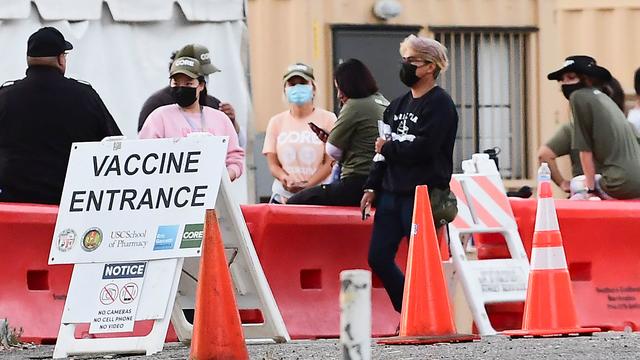
An analysis by Georgetown University researchers found five significant clusters in the southern and lower Midwestern part of the U.S.

Democratic Representative Cori Bush from Missouri, and 10 other progressive Democrats signed off on a letter Thursday urging the Democratic caucus to include bold climate measures in a new infrastructure package. CBS News' climate and energy reporter Cara Korte joins CBSN's Lana Zak to discuss what progressives are demanding.
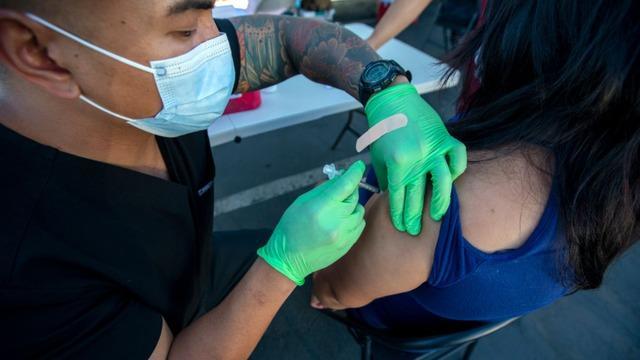
As CBS News' Janet Shamlian reports, the Delta variant of the coronavirus is fueling a rise in infections across the U.S. Experts warn those cases are expected to continue climbing in communities with low vaccinations. Dr. Amesh Adalja, an infectious disease expert and senior scholar at Johns Hopkins University Bloomberg School of Public Health, joins CBSN's Lana Zak to discuss the latest.

With 100 mph fastballs becoming commonplace, hitters just can't keep up — and now, experts are designing programs to help pitchers throw even faster.

The toll is three times the number of people killed in traffic accidents around the globe every year. It is about equal to the population of Los Angeles or the nation of Georgia.
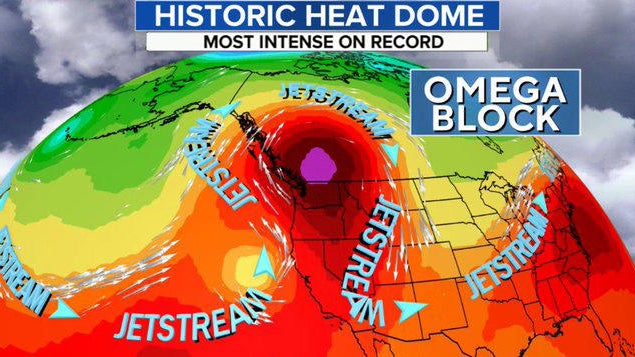
Scientists say if Earth keeps warming on the current trajectory, heat waves of this magnitude will no longer be 1-in-1,000-year events — they will happen once every 5 to 10 years.
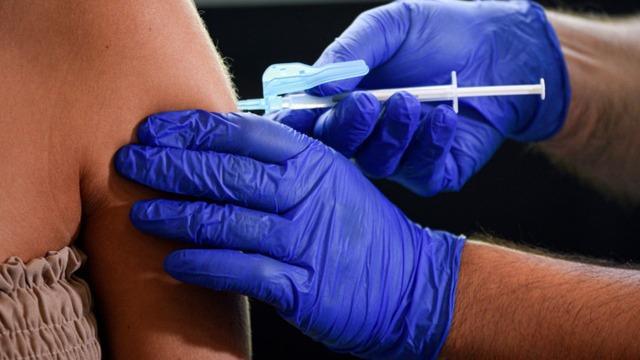
As CBS News' Nancy Chen reports, the Delta variant has become the dominant strain of the coronavirus in the U.S. Cases are already spiking in areas with low vaccination rates. Dr. Brittani James, a family medicine physician and co-founder of the Institute for Antiracism in Medicine, joins CBSN's Lana Zak with more.
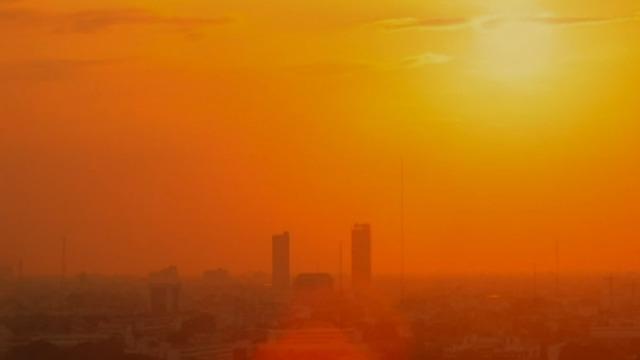
The intensity of the recent Pacific Northwest heat wave wasn't just unusual — it would have been "virtually impossible without human-caused climate change," according to a new study from the World Weather Attribution network. The study warns that "as warming continues, it will become a lot less rare." CBS News meteorologist and climate specialist Jeff Berardelli joins CBSN's Lana Zak with more.