"Once-in-a-lifetime" Tonga volcano blast could warm the Earth
The watery blast from the volcano was huge and unusual — and scientists are still trying to understand its impacts.
Watch CBS News
The watery blast from the volcano was huge and unusual — and scientists are still trying to understand its impacts.

The ALMA radio telescope in Chile's Andes mountains picked up something "really puzzling" in the Sagittarius A* data, scientists said.

The Conservative Party, which is still in power under new leadership, had vowed never to re-allow the controversial gas extraction practice unless it was proven safe.

Astrophysicist Neil Degrasse Tyson is bringing a cosmic perspective to life on Earth. He joins "CBS Mornings" to discuss his new book "Starry Messenger: Cosmic Perspectives on Civilization," and why he thinks it's time humans bring a scientific lens to issues like race, politics and the law.

Before July, only 26 people had dived to the bottom of Challenger Deep, the deepest known spot on Earth. Now, in a history-making expedition, oceanographer Dawn Wright joins their ranks, becoming the first Black person to accomplish the feat. Lee Cowan joined her for the momentous occasion.

One researcher says the findings suggest "repeated exposure to flavors before birth could help to establish food preferences post-birth" and help shape healthy eating.
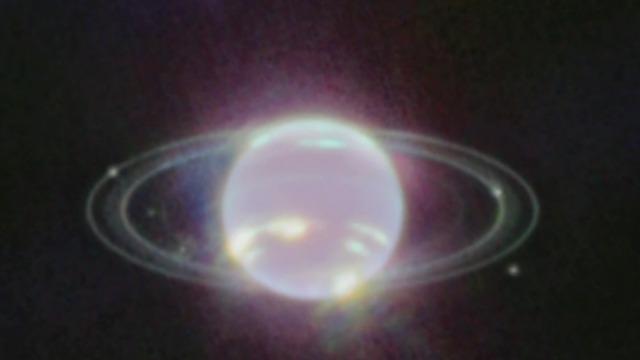
The James Webb Space Telescope captured an image of Neptune and its thin rings in the sharpest view of the planet in decades.

Engineers are reviewing test data to determine if NASA can press ahead toward a September 27 launch target.

Webb's unprecedented infrared imaging capabilities provide a new glimpse into the farthest planet from the sun.
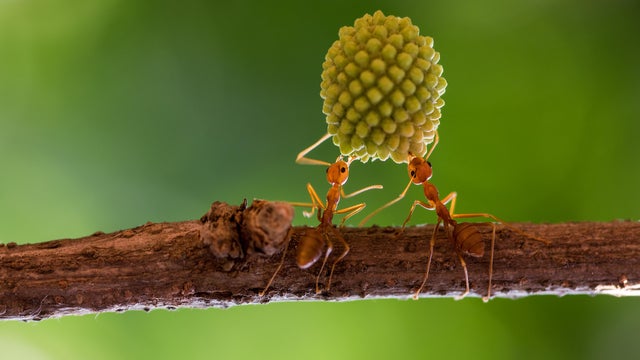
Scientists say the number is a "conservative" estimate.