Science
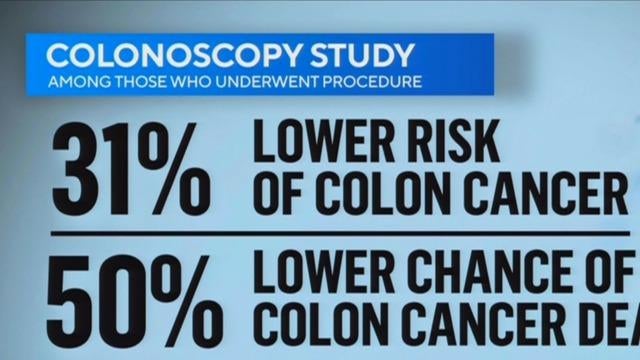
New study on effectiveness of colonoscopies
A new medical study questions the effectiveness of colonoscopies in preventing cancer deaths. CBS News' chief medical correspondent Dr. Jon LaPook explains the study's findings.
Watch CBS News
A new medical study questions the effectiveness of colonoscopies in preventing cancer deaths. CBS News' chief medical correspondent Dr. Jon LaPook explains the study's findings.

National Oceanic and Atmospheric Administration Administrator Rick Spinrad joins Major Garrett on "The Takeout" to discuss how NOAA is tracking and analyzing hurricanes, how they predict storm movement and the recent intensification of storms around the world.

"This is game-changing," said CEO of company that creates drinkable water from processed produce.

Now that it's autumn, people could see stink bugs creeping into their homes "by the thousands." One study suggests that within a few decades, even more people will be impacted.

In aerial footage, a pod of killer whales is seen chasing sharks during an hour-long pursuit off Mossel Bay.
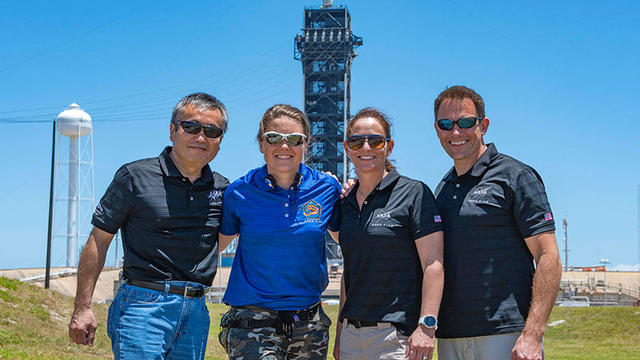
A NASA and SpaceX flight to the ISS includes the first Indigenous woman to go to space and a Russian cosmonaut.
38-year-old Anna Kikina is the only active-duty female in Russia's cosmonaut corps.
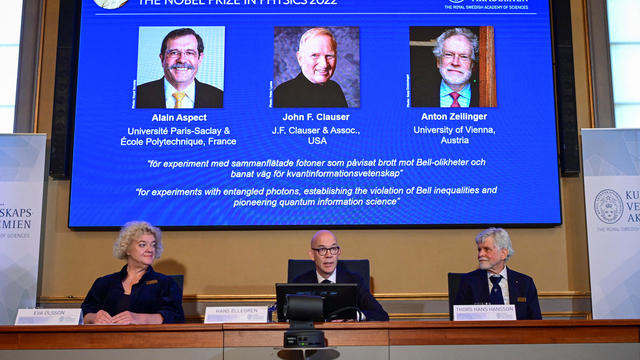
The prize went to John F. Clauser and two others for their work on quantum information science, which has significant applications, for instance, in encryption and quantum computing.
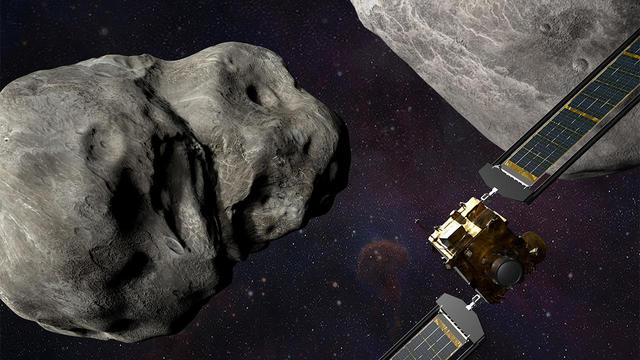
The Double Asteroid Redirection Test, aimed at changing an asteroid's path as a method of protecting Earth from asteroid strikes, succeeded at striking a tiny moonlet 7 million miles away.
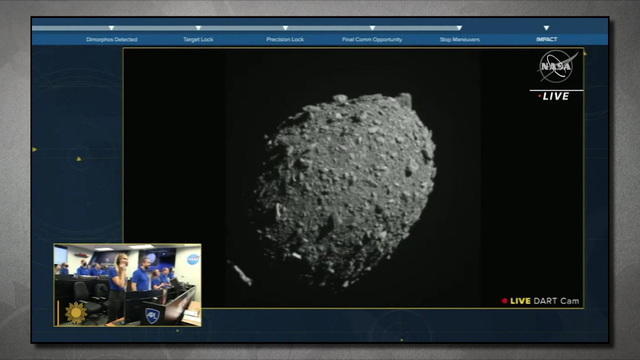
NASA's mission to change an asteroid's path, as a test of a way to deflect planetary objects that threaten Earth, succeeded at striking a tiny moonlet 7 million miles away. Correspondent David Pogue looks at what the results of the Double Asteroid Redirection Test (DART), and its new technologies, may mean for future missions.