California DMV cancels licenses for 13,000 immigrant truck drivers under federal mandate
The California Department of Motor Vehicles said the federal government is requiring approximately 13,000 non-domiciled commercial truck drivers statewide to have their licenses revoked, effective immediately.
CBS News Sacramento first reported the news in November of last year, which the state said came following the discovery that the expiration dates on the licenses had passed the immigrant drivers' legally allotted time to stay in the U.S.
On Friday, the DMV said those affected by this federal requirement had already received notice from the agency that their licenses were subject to cancellation. Approximately 20,000 drivers were at risk of seeing their licenses revoked.
The DMV added that while a recent court ruling allowed affected drivers to submit a new California Driver's License application, the federal government has banned the agency from processing these applications. The DMV said that affected drivers, in order to continue driving passenger vehicles or light-duty trucks, must apply for and obtain a Class C license.
"This federal administration is using their war on immigration to remove qualified, hardworking commercial drivers from our workforce who meet language and safety rules," DMV Director Steve Gordon said in a statement. "There are no guarantees that additional solutions will become available to help these drivers and their employers but, in the meantime, there are immediate actions they must take to get a Class C license to be able to drive regular cars."
Thursday, civil rights groups and the legal representatives for a class of commercial drivers had filed for an emergency order, asking the California DMV to pause its cancellations of commercial driver's licenses set to occur Friday, March 6. The DMV said the U.S. Court of Appeals for the D.C. Circuit rejected that request.
"Drivers should never have to pay the price for the state's own mistake. Today's decision means thousands of hardworking commercial drivers are facing sudden disruption to their livelihoods while they wait for the DMV to fix a problem it created," said Katherine Zhao, senior staff attorney at Asian Law Caucus. "These drivers move goods, transport passengers, and keep our communities running — they deserve a fair and immediate path to restore their licenses. We will continue pushing for a solution that protects drivers and gets them back on the road as quickly as possible."
The caucus and the Sikh Coalition had originally filed a lawsuit in December 2025, alleging California did not follow the proper process and broke state law by revoking the licenses.
A California judge ruled that the drivers be allowed to keep their CDLs temporarily.
In response, the DMV extended its deadline to March 6, with an urgent notice to drivers posted on their website reading: "If you believe you got a cancellation notice by mistake, call the DMV at (916) 306‑5153. Ask for a review of the legal presence documents the DMV has on file. The DMV will check if the expiration date on those documents is the same as, or later than, the expiration date on your CDL. If the DMV finds the notice was sent by mistake, they will send you a correction notice. You must ask for a review before March 6, 2026."
"People, they are just, they're scared," said Raman Dhillon, CEO of the North American Punjabi Trucking Association.
Caught in the middle of the CDL back-and-forth fight are local truck drivers who say they are in the country legally and have clean driving records.
They call the DMV inconsistencies a clerical error on their end that drivers should not lose their livelihoods over.
"So, pretty much, they are out of business with one click. And also, there's a lot of bankruptcies going on because of this, because they literally cannot afford those payments there because these trucks are expensive," said Dhillon.
It's a move being pushed for by the Trump administration following two high-profile crashes involving drivers from the Greater Sacramento region.
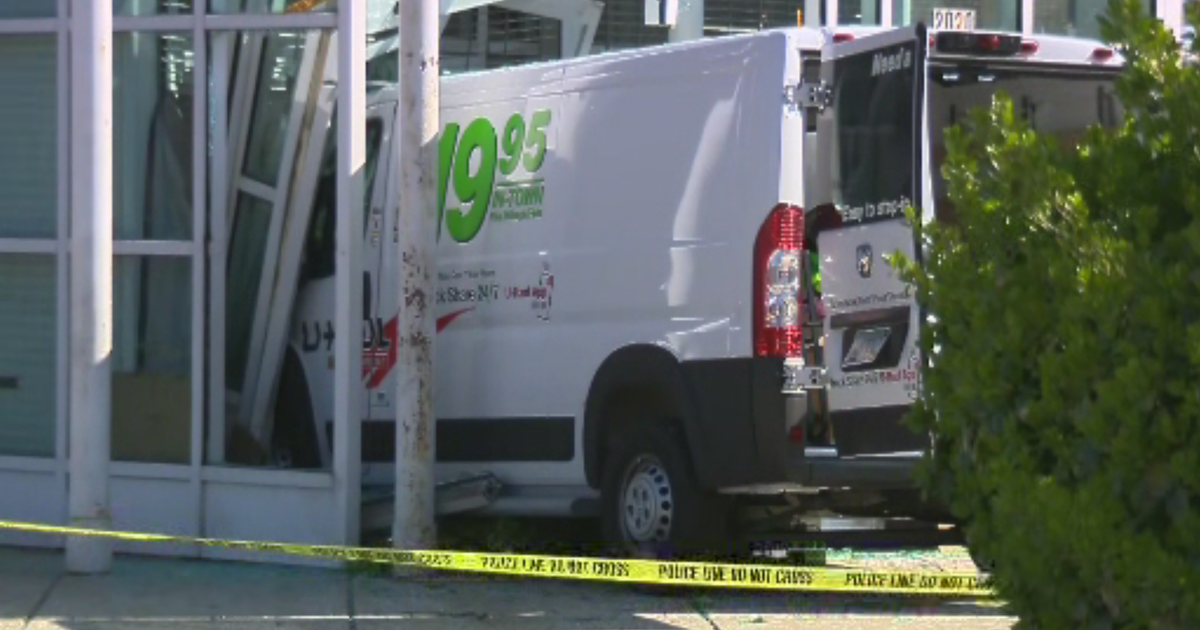
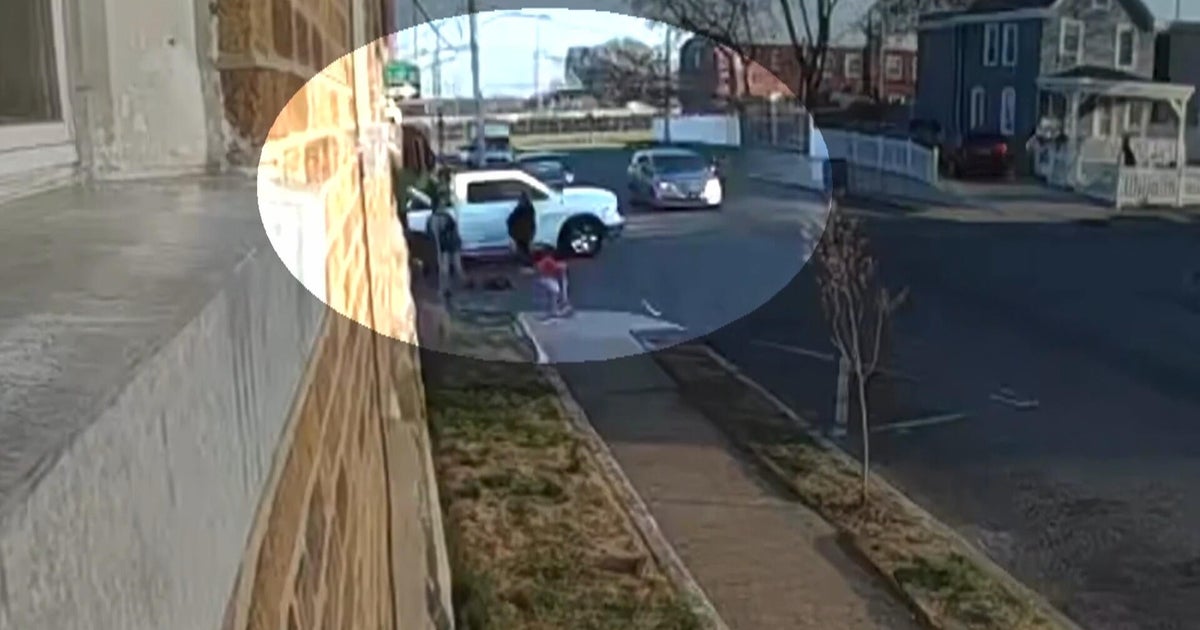
A 21-year-old man from Yuba City was charged with three counts of vehicular manslaughter after a highway crash in Southern California -- and a 28-year-old from Stockton is accused of making an illegal U-turn that caused a deadly crash in Florida.
Both drivers entered the U.S. illegally.
"One or two apples can be bad, not a whole community, you know?" said Amarjit Singh, who has operated his own trucking business in Sacramento for five years.
In an open letter to a Sacramento newspaper, he said the DMV should not sideline lawful commercial truck drivers.
Singh is also the co-founder of Freedom Drivers, an alliance of immigrant truckers.
"We are stressing out, my whole family," Singh, a father of two, told CBS Sacramento. "Overnight, it is going to destroy everything and all my hard work from the last five years, you know, what I invest in my money. So, it's a hardship for me."
He claims clerical errors made by the state are singling out many drivers who are in the country legally, like himself. His license was one of thousands facing cancellation Friday.
"The issue is a date mismatch between my work authorization and the way it was recorded on my license, and that discrepancy is now being used as grounds to cancel my license," said Singh.
Dhillon says he expects the CDL cuts will drive up the cost of truck loads in California and could impact businesses statewide.
"So I think, overall, all these things are going to affect the economy, affect everybody's pocket," said Dhillon.
The civil rights groups behind the emergency motion on Thursday had said the California DMV did not provide a fair or clear process explaining how impacted drivers can immediately reapply for their licenses. It is why they say they turned to the courts for another pause.
In Friday's update, the DMV said that drivers not affected by Friday's cancellations would have their licenses remain valid through their expiration dates. Once expired, those drivers would not be able to renew them.
The federal government announced in January that it would withhold $160 million in federal highway funds from the state of California as punishment for extending the expiration dates to March 6.