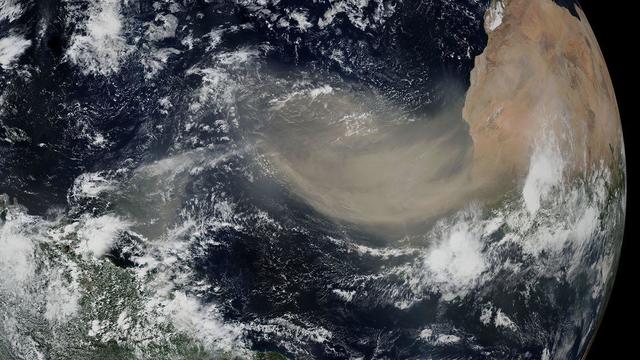
True extent of global warming masked by atmospheric dust, study finds
The amount of dust in the atmosphere has increased, and new research helps explain what that means for the climate.
Watch CBS News
The amount of dust in the atmosphere has increased, and new research helps explain what that means for the climate.
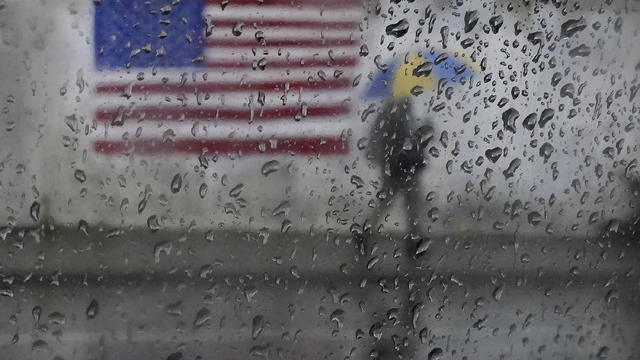
As damaging as it was for more than 32 trillion gallons of rain and snow to fall on California since Christmas, a worst-case global warming scenario could juice up similar future downpours by one-third by the middle of this century, a new study says.
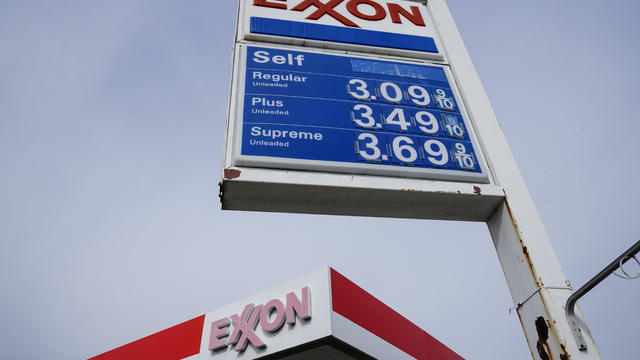
Energy giant's own scientists were working on precise forecasts even as company publicly doubted warming was real.
Gas stoves are linked to health problems such as asthma — but a regulator who floated a ban met severe pushback.
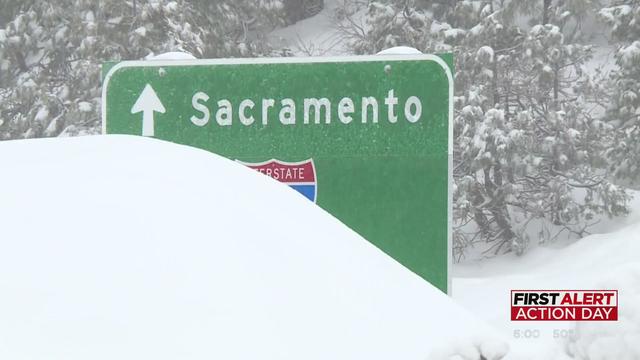
Heavy snow in the Sierra is closing highways but experts are weighing in on whether this intense storm will have a lasting impact on the state's drought.
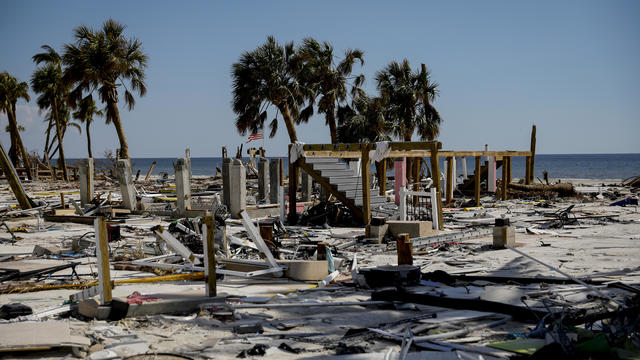
America's onslaught of mega costly weather disasters remains stuck in high gear.
Climate change continues to be more of a priority for Democrats than Republicans.
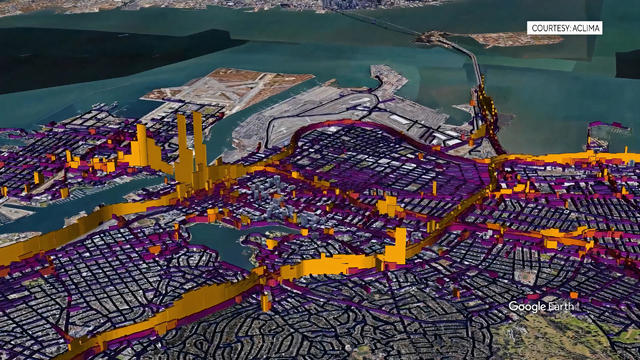
It's one of the most powerful forces warming the Earth, leading to increasingly severe droughts, wildfires and floods. It's also invisible. So how do we see start seeing carbon?
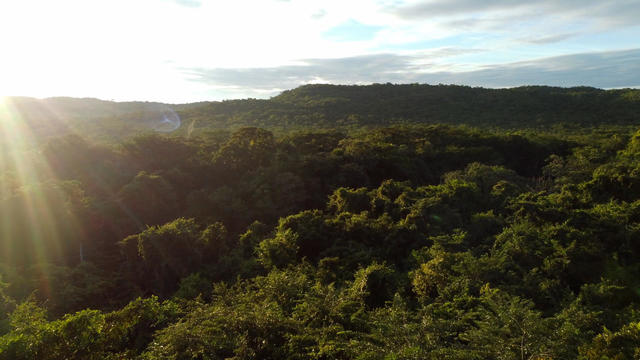
Leading biologist tells Scott Pelley humans would need "five more Earths" to maintain our current way of life.
Residents and environmental advocates say there's a lot riding on whether the referendum qualifies for the ballot.
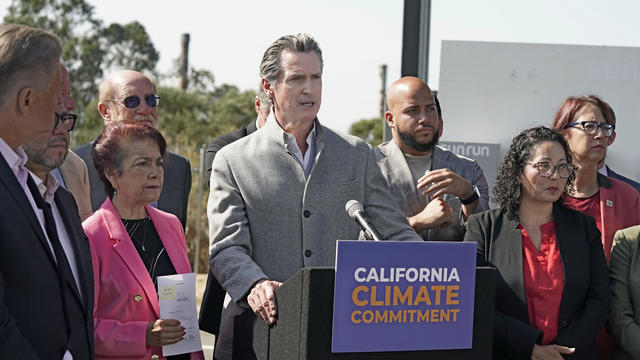
California previously set that target as a goal, but Gov. Gavin Newsom signed legislation making it a mandate earlier this year.

Rep. Ted Lieu of California said if the announcement this week is what's expected, "it could be a game changer for the world."

Janet Yellen is set to unveil the first U.S. currency bearing her signature, marking the first time that U.S. bank notes will bear the name of a female treasury secretary.
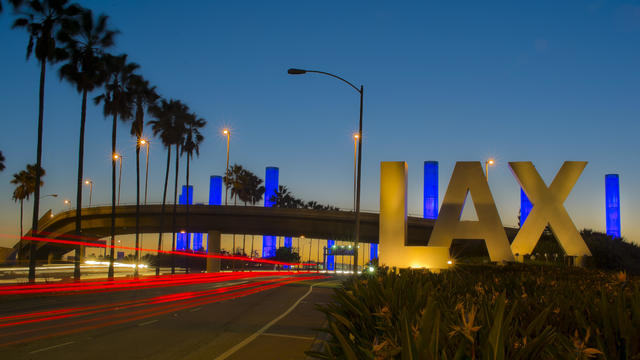
Los Angeles and San Francisco international airports are among dozens in California that could see disruptions in as little as 20 to 40 years, researchers said.
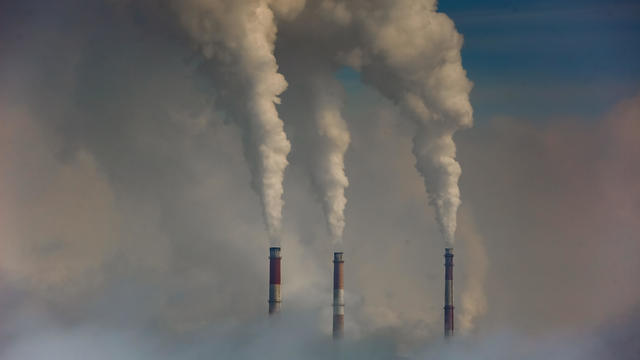
There's now 51% more CO2 in the atmosphere than in pre-industrial times, scientists said in a new report, making it far less likely that the world can minimize global warming to 1.5 degrees Celsius.

"What happens in the Arctic, doesn't stay in the Arctic. As the polar caps melt, it drives up risks throughout the world, including extreme weather events that affect all of us."
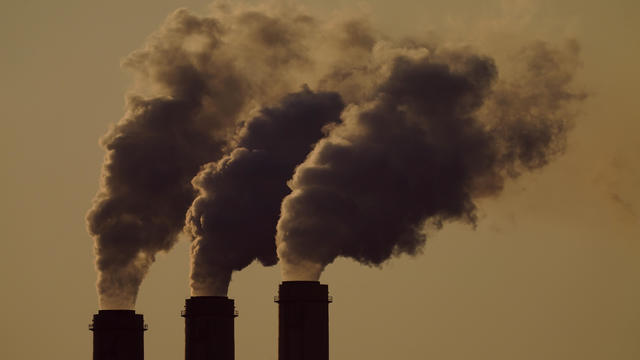
Secretary-General Antonio Guterres told the COP27 climate summit in Egypt nations must "cooperate or perish."
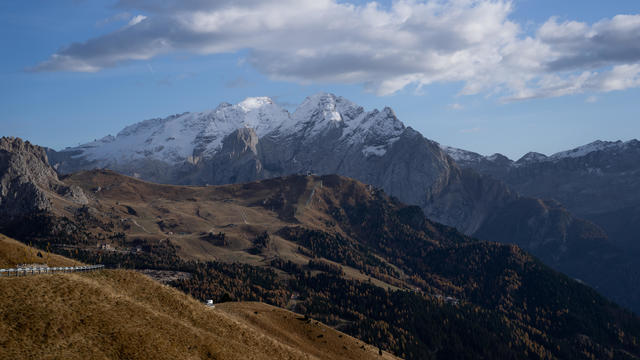
Limiting global warming to 1.5 degrees Celsius is the only way to save the remaining glaciers, but last week the U.N. warned there's "no credible pathway" for that to happen.
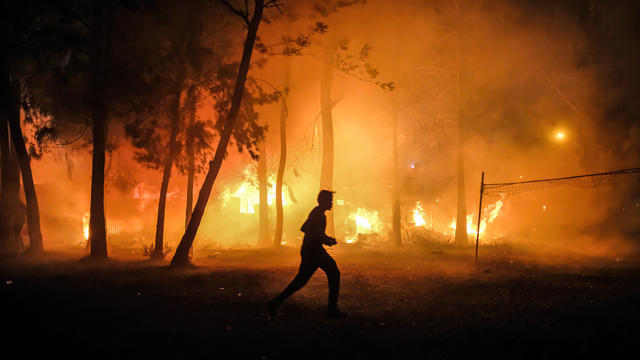
Nations pledged to limit global warming to 1.5 degrees Celsius, but three new U.N. reports show that the world is on track to hit nearly double that in less than 80 years.
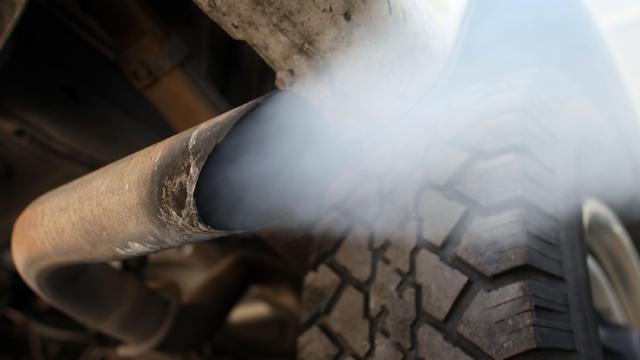
Much of the drop came from fewer people driving in the first months of the pandemic, when schools and office buildings shut down and Democratic Gov. Gavin Newsom ordered people to stay home.
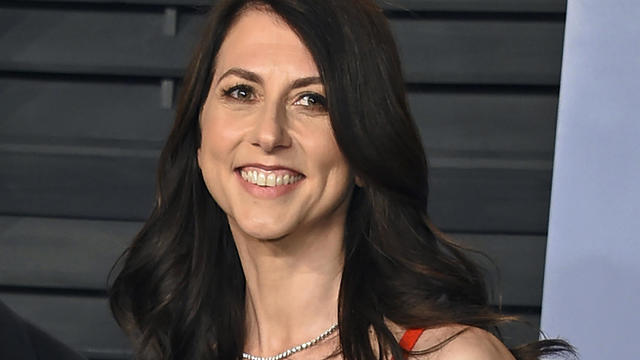
The donation, the largest the organization has ever received from an individual, comes as membership dropped in the pandemic.

A new report says "humans use as many ecological resources as if we lived on almost two Earths." Now, the planet is facing a "code red" situation.
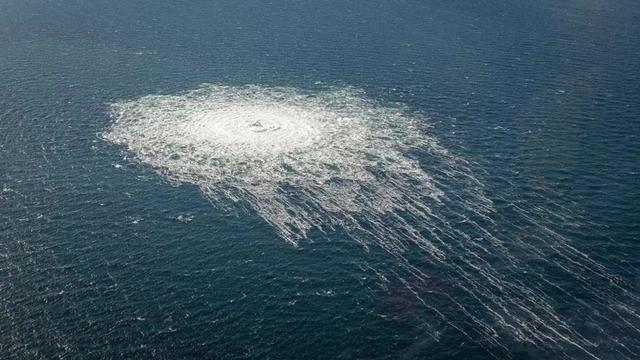
The velocity of the gas erupting from four documented leaks in the pipelines — which NATO has attributed to sabotage — is part of what makes the impacts severe.
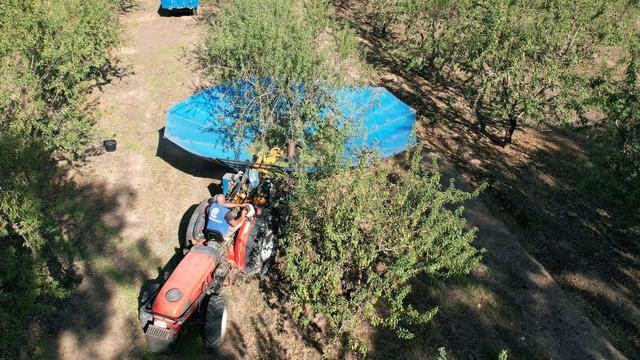
The US Department of Agricultures "Climate Smart Commodities Program," is allocating a total of $130 million dollars in federal money to California farmers to lessen their impact on the climate, including lowering water usage and carbon emissions.

What do Barkley and Whiskers have to do with our warming planet? It's the products we buy for them that need a closer look.