New data shows air quality improvements across Pittsburgh area

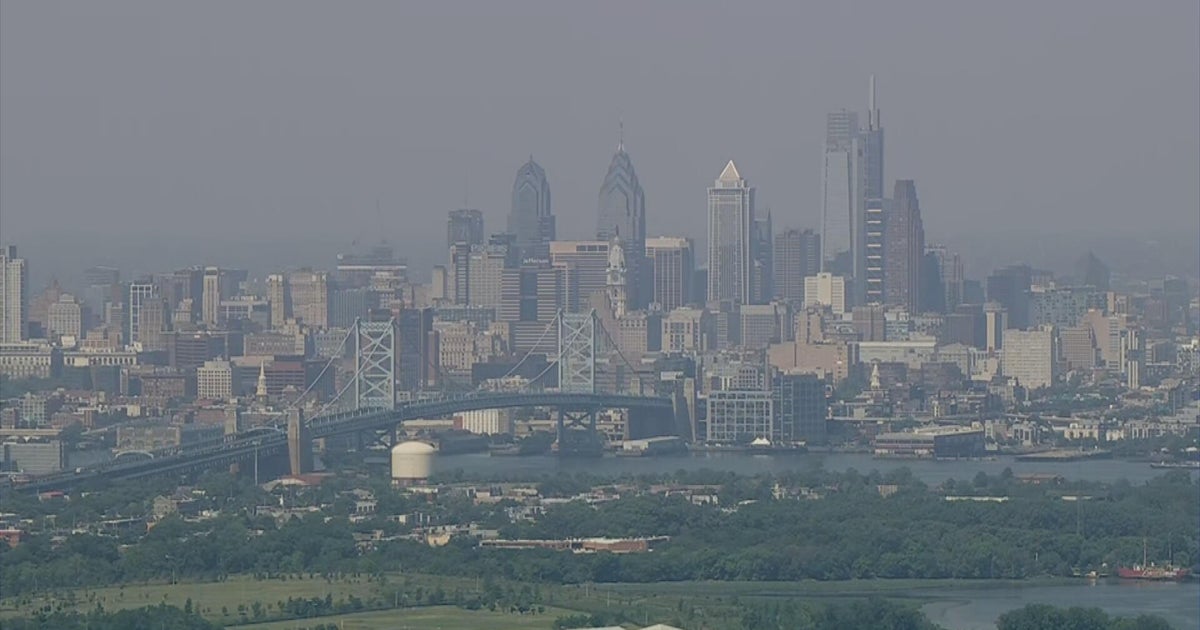
Since the days of big steel, Pittsburgh's air quality has ranked among the worst in the country. However, a new report indicates the air here may be among the cleanest in the nation.
What has led to the sudden turnaround?
The Pittsburgh region has long had a reputation for some of the country's dirtiest air, with the American Lung Association sometimes assigning an "F" rating for particulate pollution, deterring companies and people from moving here and causing parents to worry they might be harming their children.
"Am I doing my family a disservice by raising my kids here? Are they going to grow up with asthma? Are they going to have health problems because of the air quality here?" questioned Ken Zapinski of Pittsburgh Works Together.
In an effort to allay those fears, the organization Pittsburgh Works Together has been issuing an annual report called "Clearing the Air," which, for the past several years, has maintained that the air here is no worse than in a typical metropolitan area.
Zapinski, the research director, says the latest data shows we now rank among the best.
"In 2024, we were one of the cleanest metro regions in the country," Zapinski said. "This is good news, and we shouldn't be afraid to celebrate it."
According to the report, the 12-county metropolitan region has seen a significant decrease in particulate and ozone pollution, now ranking in the top 20% cleanest in the nation. And, the report says the air pollution in the more heavily populated Allegheny County is the lowest ever, below the federal standard of 9 micrograms per cubic meter.
While Pittsburgh Works Together does not ascribe exact reasons for the drop, it's likely attributable to two factors: pollution controls and the shuttering of three batteries at U.S. Steel's Clairton Coke Works and the closure of coal-fired plants in the region, like the Cheswick Generating Station.
Environmentalists still urge caution
"On the surface, it's good news. It shouldn't be overinterpreted," said Carnegie Mellon University's Matt Mehalik, director of the Breathe Project.
The Breathe Project calls the report a one-year snapshot, noting that the federal regulatory standard is based on three years of data. But while saying the region needs to continue reining in particulate pollution as we rehab steel facilities and build data centers, Mehalik says this past year's data does indicate improvement.
"If that's true, 2024 and 2025 are pointing in the right direction, and if we can hold out another year, we can say clearly our air has improved," Mehalik said.
Environmentalists agree that air quality in the region is turning in the right direction and say we need to be vigilant, even as the demand for new energy picks up.