Pittsburgh Public Schools leaders address district's financial future
Despite a vote against closing schools, Pittsburgh Public Schools leaders said they won't propose raising taxes beyond the 4% increase proposed in the weeks leading up to the vote.
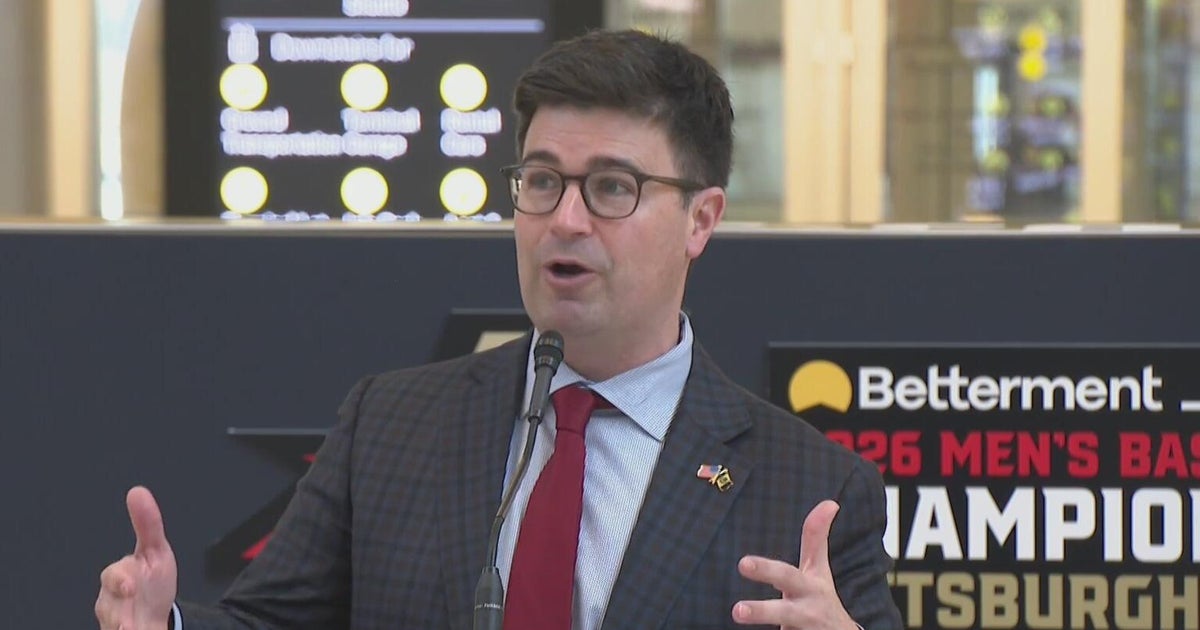
"The impact was obviously felt where we went from a balanced budget in a very long time to one that now continues a deficit," PPS Superintendent Wayne Walters said after Monday's public hearing.
The preliminary budget, which factored in the school closing, would have seen a budget surplus in next year's budget. The deficit now stands at $6.5 million, which is still down from past years, district leaders said.
If school board members vote not to raise taxes, that increase would be closer to $14 million in 2026. The 4% increase would account for about $7 million. It's roughly the same amount as the district lost due to the Downtown tax reassessments, Walters said.
"Our job as a board has been, and we've been working really hard to try to get ourselves into a financial position where we are spending within our means and not creating deficits which impact the future," board president Gene Walker said.
If the board passed the budget with the increase, it would come on top of last year's county increase and a potential tax increase that city leaders are floating.
"It's a lot for people to deal with," said Emily Sawyer, a parent and substitute teacher who spoke at Monday's public hearing. "At some point, the regular people in the city are not going to be able to rescue the decision makers and the powerful anymore."
She was one of multiple people who asked district leaders to think creatively when it comes to strengthening district finances. She suggested the city stop giving tax breaks to developers in the form of tax abatements and to make UPMC pay its fair share.
"I'm definitely against the corporate welfare and the tax breaks. But please, this is a year to try to hold the line on taxes," parent Mark Rauterkus said. "I think we're going to be punished greatly by the city of Pittsburgh with bigger tax."
Other speakers suggested the district prioritize funding reform, consider moving leaders from the administrative building so it could be leased, and push for change at the state level so the district does not need to bus non-students.
"We need to, as an organization, as a board, work with the pieces that we can control. And what we control right now is working with the superintendent on the future configuration of the district, but also the taxes," Walker said.
He explained that it will take a number of different pieces coming together to make it all work. There's no firm timetable on revisiting a proposal to close schools, Walker said, adding that the new board members were just added.
The vote on the tax increase is next week.