Every state trooper in Pennsylvania will now be fitted with body cameras

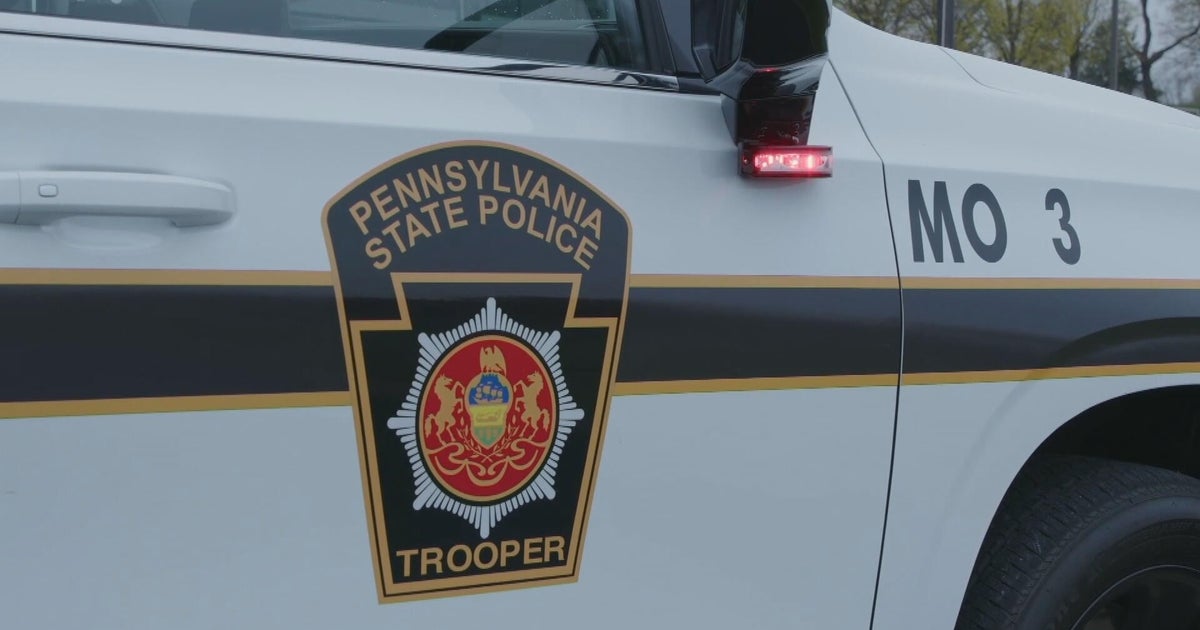
The Pennsylvania State Police is marking a major milestone — all troopers and their patrol cars are now decked out with the latest camera technology in hopes of improving transparency.
Each of the more than 3,000 state troopers across Pennsylvania will now attach a camera to their uniform when they start their shift.
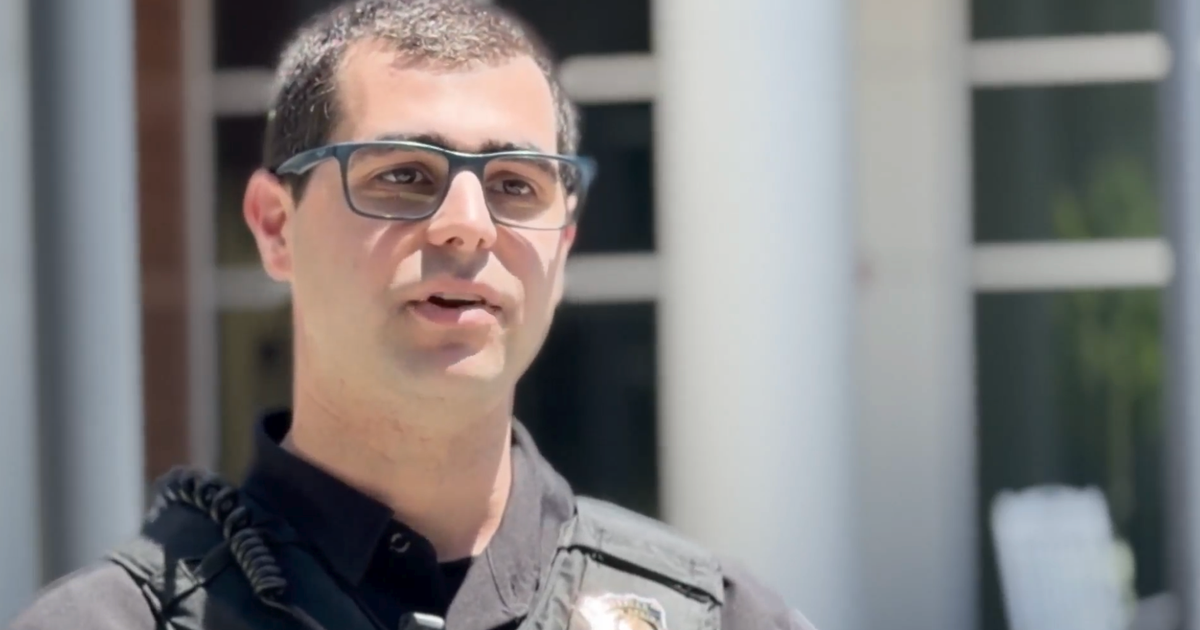
"Patrol troopers at all stations are now equipped to record public interactions and calls for service, providing essential video documentation of encounters and investigations," said Colonel Christopher Paris, the Commissioner of the Pennsylvania State Police.
Paris announced Thursday that PSP completed their two-year bodycam rollout weeks ahead of schedule and on budget.
"Body-worn cameras protect both civilians and troopers. Cameras serve as an objective witness to public interactions. They capture real-time audio and video that can clarify what occurred in contentious or high-stress situations," he said.
State Police also updated dash cameras in more than 1,400 patrol vehicles, their entire fleet. Paris said their previous dash cams could only see what was directly in front of the patrol car.
"These new cameras are capable of capturing footage from a wider perspective, allowing for better coverage of the surrounding area," said Paris.
Paris said body-worn cameras can really influence how policing is perceived.
"The Pennsylvania State Police, like all law enforcement agencies, faces more scrutiny than ever from a public that rightfully demands interactions with troopers to be safe, respectful, and constitutional," he said.
They're hoping the technology builds up transparency and trust for troopers.
"We rely heavily on the trust placed in us by the communities we serve. Our aim is to strengthen that trust by documenting our public interactions and demonstrating our commitment to transparency, accountability, and respectful police services," Paris said.
Paris said the camera footage will also help with training and policy development, and strengthen evidence collection at crashes and crime scenes.
"These cameras also provide crucial evidence for investigations and legal proceedings. The video can corroborate testimony, reveal the truth, and dispute encounters and help ensure that justice is fairly served," he said.