Rare plant found in Pennsylvania removed from endangered species list
The U.S. Fish and Wildlife Service is removing northeastern bulrush from the endangered species list, saying the rare plant found in a handful of states, including Pennsylvania and West Virginia, is making a comeback.
According to the Fish and Wildlife Service, when the northeastern bulrush was listed as endangered in 1991, there were only 13 known populations in six states. Today, there are 148 known populations across eight states, which is a more than elevenfold increase.
Before it was removed from the list, the Western Pennsylvania Conservancy says northeastern bulrush was one of three plant species in the state considered federally endangered. The state has more than 80 populations, making it an important genetic stronghold for the plant, the conservancy says.
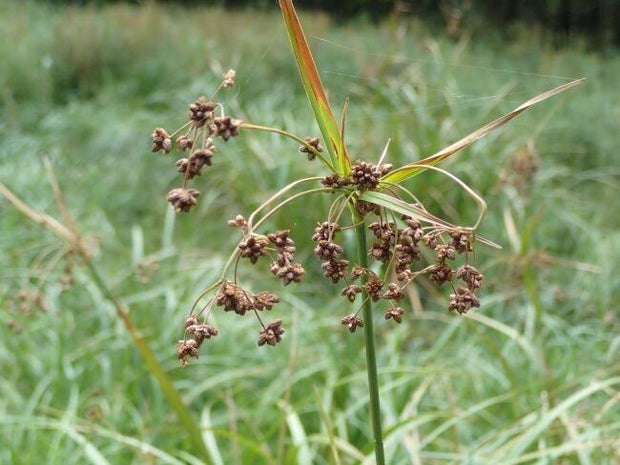
The Fish and Wildlife Service says state agencies and have conducted surveys for northeastern bulrush in every state in its known range since 1991, knowing that the plant may not appear in the same spot every year. Sometimes it may be absent aboveground for years, re-emerging when conditions improve.
Habitat degradation and destruction are the primary threats against the northeasterb bulrush, the Western Pennsylvania Conservancy says. Development activities can destroy isolated wetlands and introduce invasive species, and ATV riding through vernal pools is also a problem.
"Our partners were instrumental in this recovery success story, leading the way in the effort to better understand and survey for this species," U.S. Fish and Wildlife Service Director Brian Nesvik said in a press release. "The delisting of the northeastern bulrush demonstrates the value of cooperative conservation and our commitment to using the best science to reduce unnecessary regulatory burden and celebrate success by delisting when species are recovered."


