How the Arctic and and Antarctic got their names | Hey Ray
Most names have meanings: for instance, Raymond means "wise protector."
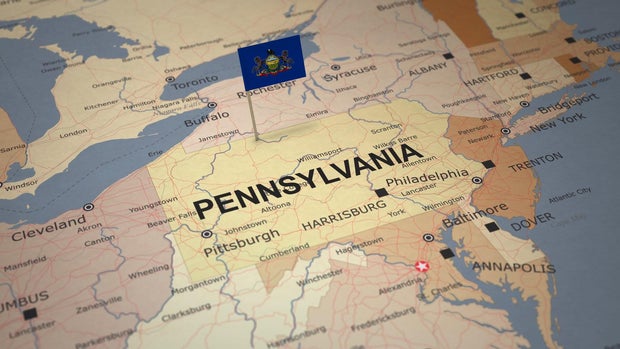
Other names have meanings, too. Pittsburgh is named after William Pitt the Elder, and Pennsylvania is named after William Penn.
Some places are named by what is found there.
Like the Arctic and Antarctic! Arctic is obviously the name, and the "Ant" means "anti" or "lack" of something. So, what are the Arctic and Antarctic named after?
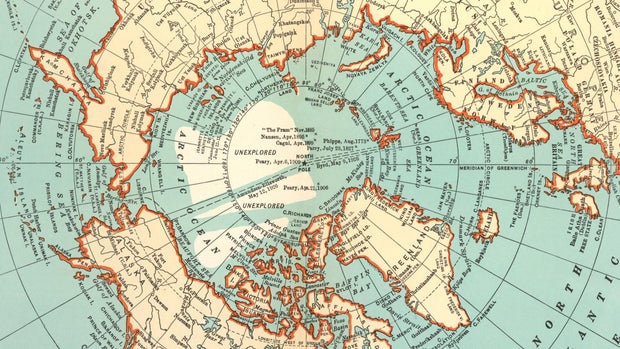
The Arctic is the region where we find the North Pole, and the Antarctic is the region where we find the South Pole. These areas have many similarities and many differences, and they both have names that have to deal with Bears.

According to the University of Iowa's Bible and Archeology, the name of the Arctic comes from the Greek word "arktikós", meaning "related to or near the bear."
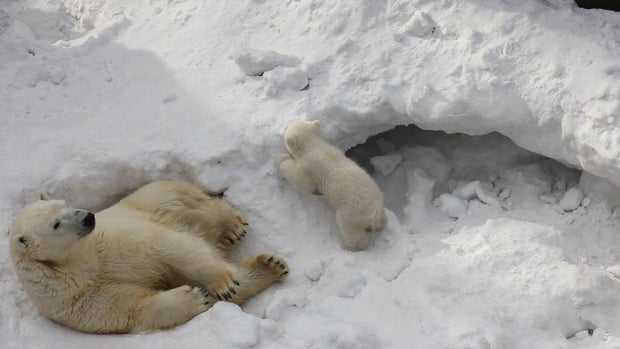
Essentially, this means the Arctic is related to bears, and the Antarctic isn't related to them. That seems to make sense on the surface since the Arctic has polar bears, but the Antarctic doesn't.
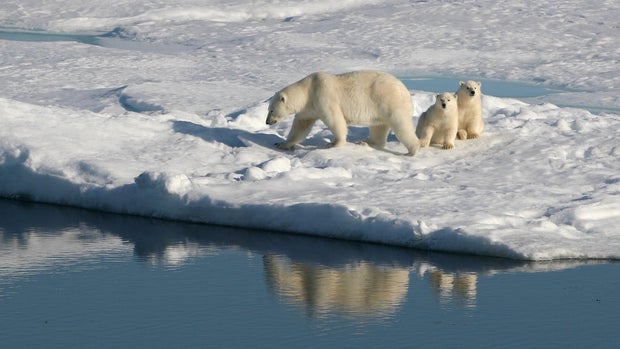
What if I told you polar bears were not the reasoning behind this name…even though it fits?
According to the World Wildlife Fund, you have to look up in the night sky toward the constellations that contain the Big and Little Dippers. Those constellations are Ursa Major and Ursa Minor. Those are constellations that translate to "The Great Bear" and "The Little Bear".
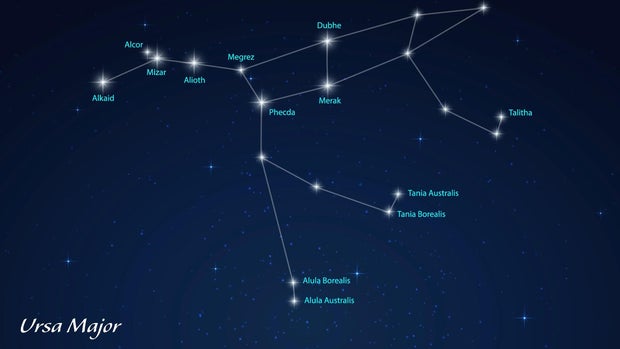
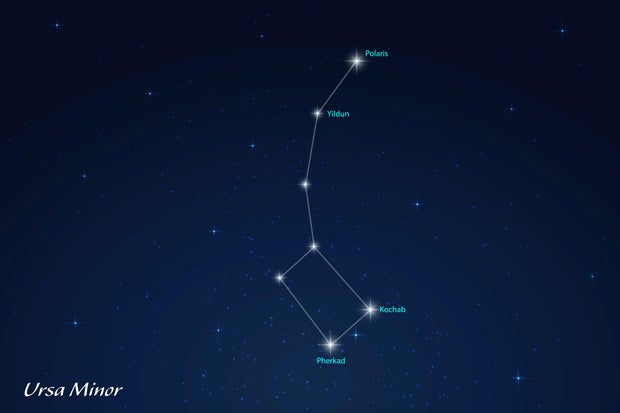
These constellations are visible in the north, or Arctic, but not the south, or Antarctic.
Ursa Major and Ursa Minor are circumpolar constellations. According to NASA, these are constellations that surround the celestial poles without ever falling below the horizon. This means that these "star bears" are in the north and not in the south. This means one is Arctic and the other is Antarctic.
There are constellations visible in the Antarctic that aren't in the Arctic. Those include a Toucan and a peacock constellation, but the "Bears and No Bears" make better sense.