Preparing for emergencies with more than just milk, bread, and toilet paper | Hey Ray

Laughing about getting milk, bread, and toilet paper before it snows comes with the seasonal territory, but not all emergencies are weather-related.
Are you prepared?
Usually, a weather forecast gives you days to get ready for being stuck in the weather. Not all emergencies give you that much notice.
That is why the Federal Emergency Management Agency says you should have a minimum of three days of supplies on hand.
I know it is not easy for everyone to stock up on things, but if you can, here are some things you should consider having on hand.
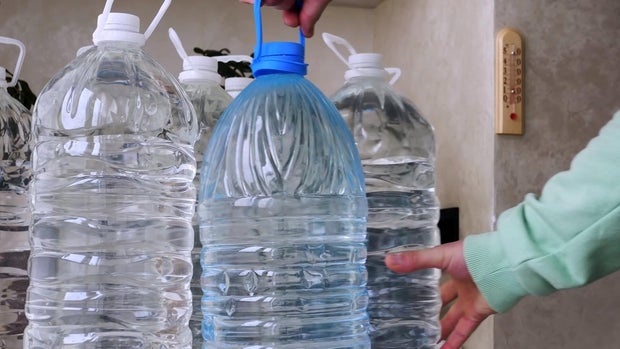
The first thing is water.
If the water goes out, everyone is going to rush to the store to buy it. You will want to have one gallon of water per person per day. 72 hours is three days, so for each person, FEMA recommends three gallons.
This does not have to be fancy bottled water. You can store tap water if you do it the right way.
The next thing you will need is food. You will want non-perishable options that are easy to cook. Canned foods, rice, and beans are easy to store. You will want to make sure it is food your family will eat, and make sure you take into consideration any allergies or food needs of the people in your home.
Also, make sure to have a manual can opener if you are going to rely on canned goods.
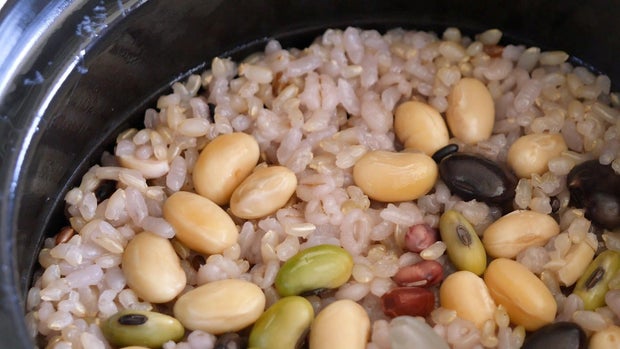
Some stores and online retailers sell buckets of emergency food. Just keep in mind, a lot of these are dry foods that will require water, so you may need to increase your water supply to account for that.
Obviously, you want to stay connected, so energy is important.
Power banks and batteries are important to have. Keep those ready to go in case of an emergency, and definitely charge them up if the forecast calls for bad weather. Your flashlights should also be charged or have batteries ready to go, too.
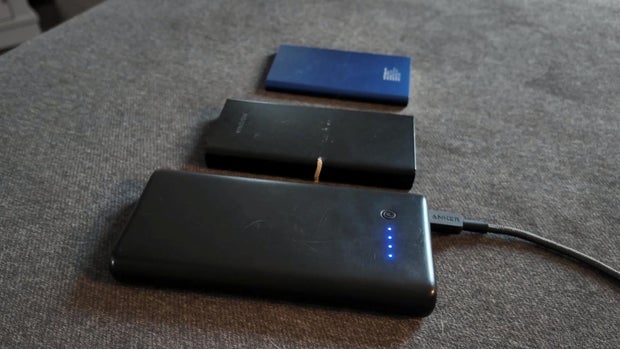
These are the bare essentials to get through the first three days of an emergency. If you know someone who needs help preparing, and you're able, you should help them, too.
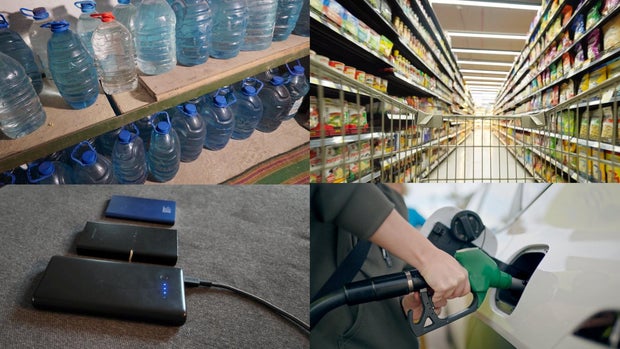
There are other things that FEMA suggests having on hand, too. This will have you prepared, so you can stay comfortable making those milk, bread, and toilet paper jokes before every single snowfall.