Communities raise concerns over ALCOSAN's multi-billion-dollar wastewater project
Some communities are raising concerns about the impacts of the construction for ALCOSAN's multi-billion-dollar wastewater project.
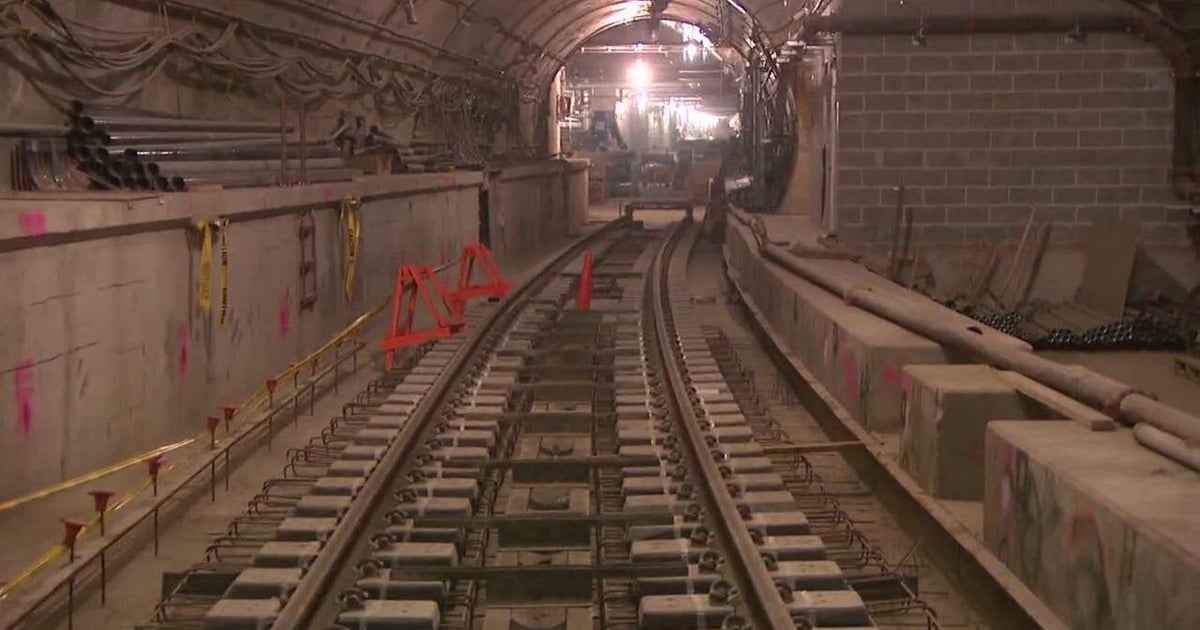
After two decades of debates and delays, ALCOSAN's $3.5 billion project to clean Pittsburgh's rivers and streams is moving forward. When construction begins on the massive tunneling project early next year, most of the digging will be done by a giant boring machine 150 feet below ground.
But to get down to that depth, the authority will need to dig eight access shafts up and down the Ohio and Allegheny rivers, including one in the parking lot of a shopping center in McKees Rocks.
Some community leaders say the digging and the planned use of an abandoned car dealership as a storage and staging area stands in the way of their project to redevelop and revitalize the area, but they said they can't get an audience with ALCOSAN to express their concerns.
"In the past, they've said we don't need it when we're done with this tunnel project and we'll talk then," said Taris Vrcek of the McKees Rocks Community Development Corporation. "But we don't know when then is. It could be 10 years. It could be five years."
"As you can imagine, you need certainty when you're trying to plan development efforts and attract investment," he added.
After some initial blowback, ALCOSAN reached an agreement with the Borough of McKees Rocks over the access shaft and the purchase of the dealership building, but says all of its negotiations over construction issues have been directly with the borough and the city of Pittsburgh, not individual community groups.
"We've worked very closely with the borough and the city to make sure that we meet all of their codes and ordinances," said Kimberly Kennedy, ALCOSAN's director of engineering and construction, "and that they know exactly what's coming and when."
Going forward, ALCOSAN says it will try to address concerns wherever it digs an access shaft.
"How we're going to minimize disruptions during construction. I'm talking about fencing, dust mitigation, maintaining access to businesses in the community," Kennedy said.
While most of the work will be underground, the authority needs access points and staging areas up and down the rivers. It should expect community pushback as this project moves forward.