The Southern Environmental Law Center
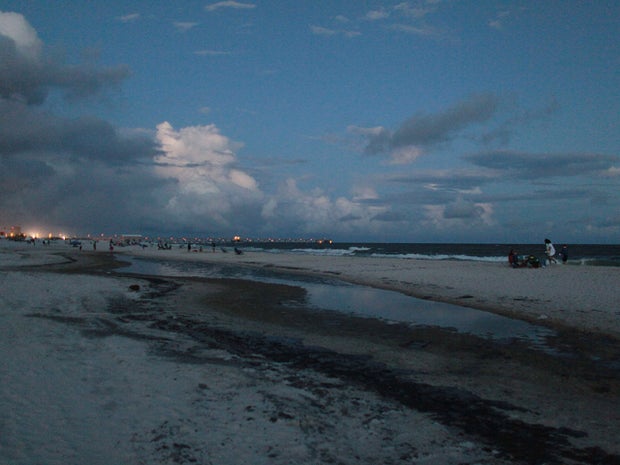
Alabama's Coast: The damaged Gulf Coast habitat has yet to be restored, says the Southern Environmental Law Center (SELC), which warns that issuing more permits and leases without first enacting major regulatory changes would increase the risk of more spills on the scale of the Deepwater Horizon.
The Chesapeake Bay
The Southern Environmental Law Center
The Chesapeake Bay, the nation's largest estuary, is under siege from pollution and overfishing. The SELC says that populations of blue crabs, oysters, among other species, have dropped to historic lows.
The Southern Environmental Law Center
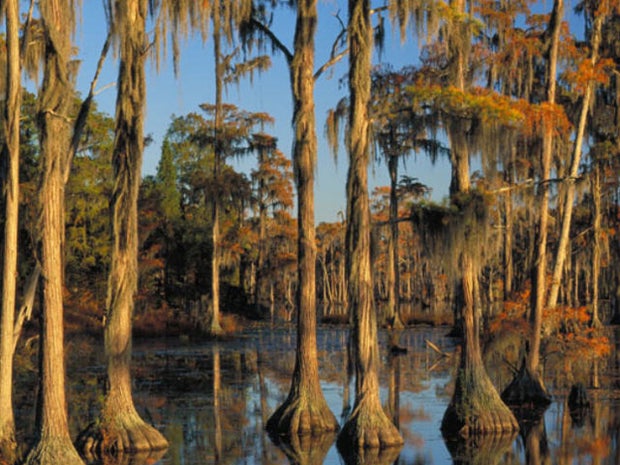
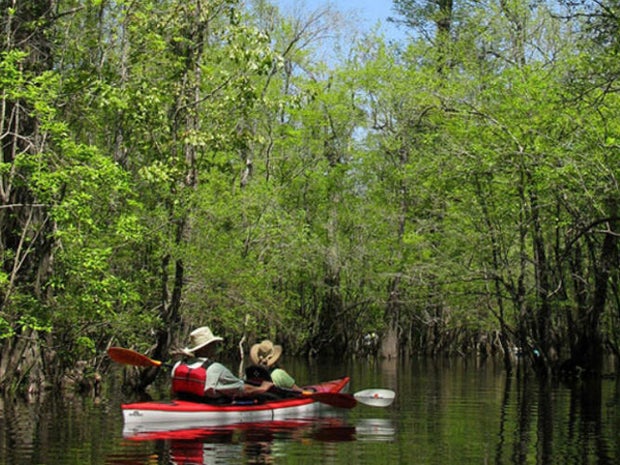
The area features trees over 1,000 years old, which also serve as a habitat for endangered species. However, there is concern that heightened demand for cypress mulch could lead to the deforestation of the wetland forests.
Oconee River, GA.
The Southern Environmental Law Center
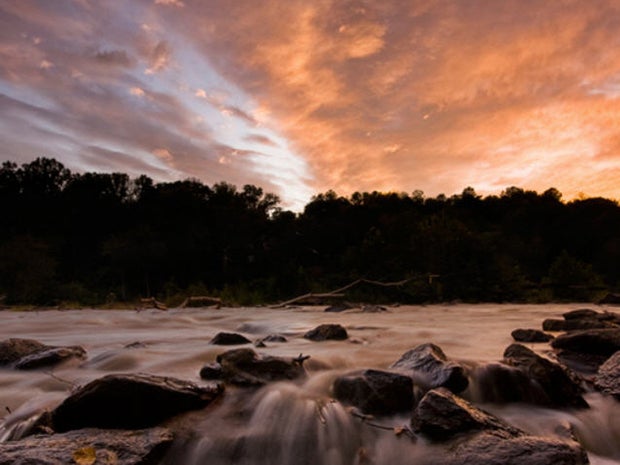
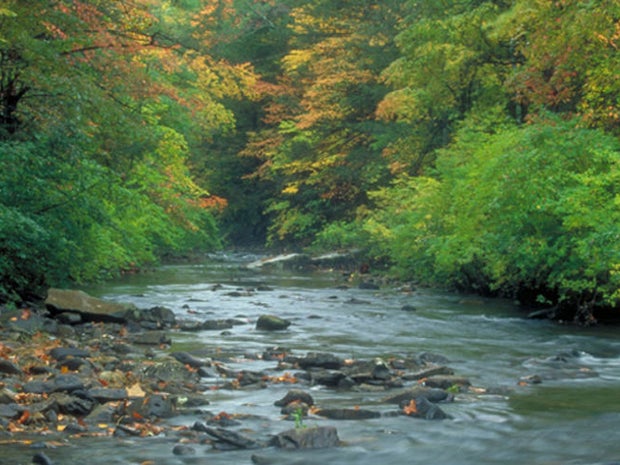
A proposed coal-burning power plant is expected to siphon an average of 13.5 million gallons a day from the Oconee River, which is an important source of water for Georgia farms and communities. The river also provides habitat for at-risk fish species.
Pea Island National Wildlife Refuge
The Southern Environmental Law Center
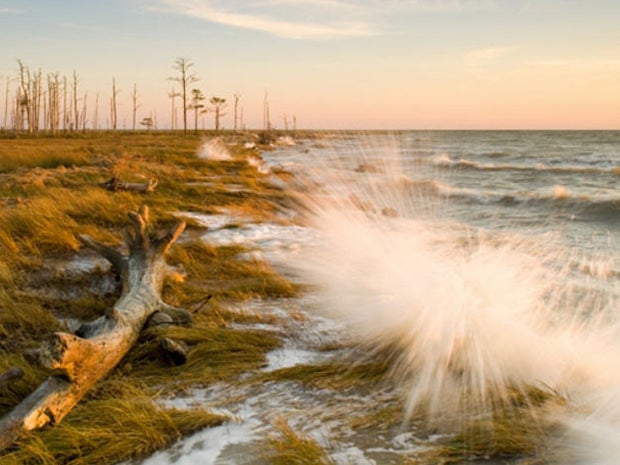
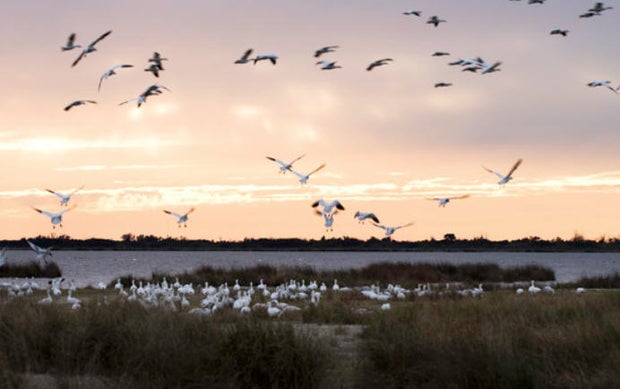
North Carolina's Pea Island National Wildlife Refuge is a haven for migratory waterfowl. But there are concerns that a proposed highway running through the refuge to Hatteras Island would turn the area "into a permanent construction zone and leave islanders stranded when storms hit the Outer Banks."
Snowbirds Mountain, N.C.
The Southern Environmental Law Center
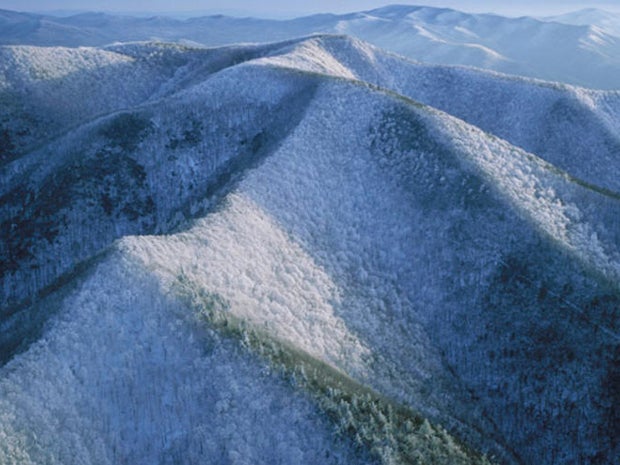
Plans for highway expansion plan would excavate 3 million cubic yards of rock in the national forest. It also would require boring 3,000 feet of tunnel under the Snowbird Mountains.
Cape Fear Basin, N.C.
The Southern Environmental Law Center
The Cape Fear basin may soon get a huge cement plant that the SELC claims would destroy 1,000 acres of wetlands, destroy habitat, and pollute the river with levels of mercury harmful to people and wildlife.
Santee River Basin, S.C.
The Southern Environmental Law Center
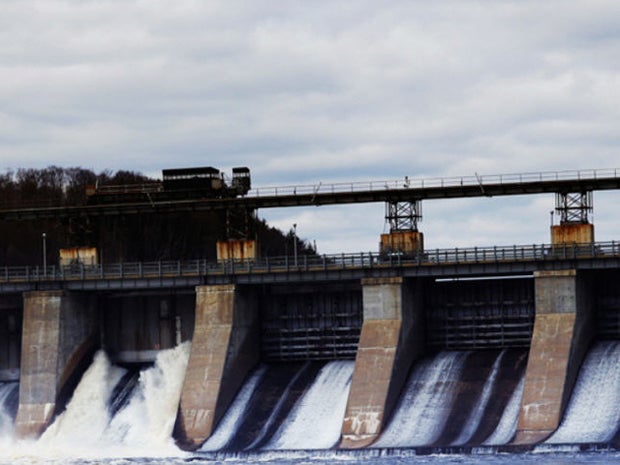
South Carolina's state-owned utility was built in the 1940s. A federal wildlife agency wants the utility to modify the basin hydroelectric dams so as to restore fish passages and adjust water flows. The provider has opposed the move and wants a federal license to allow it to continue operating the system as it has. The SELC says that would result in "another half-century of environmental degradation."
Cumberland Plateau, Tenn.
The Southern Environmental Law Center
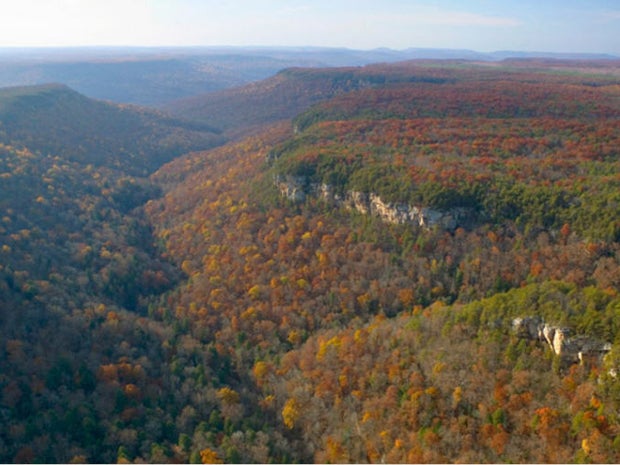
Mountaintop removal and mining threaten the biodiversity in state parklands and wildlife preserves on Tennessee's Cumberland Plateau. Although this is state land, the Tennessee Valley Authority and mining companies hold the underlying coal rights.
George Washington National Forest, VA
The Southern Environmental Law Center
The Forest Service will issue a decision whether to open up some of the forest available to oil and gas drilling. If the green light is given, the worry is that toxic chemicals may contaminate a key source of drinking water for the Shenandoah Valley.