istockphoto
From infections and scarring to fatally botched operations, the risks of cosmetic surgery are well known. But you don't have to go under the knife to fall victim to fashion- and beauty-oriented health dangers. Keep clicking as Dr. Orly Avitzur, medical adviser for Consumer Reports, shines a light on 8 dangers women often overlook.
Tight clothing
istockphoto
Neurologists have long known about the dangers of girdles. But until recently, when a fifteen-year-old girl came to me complaining of persistent abdominal pain and numbness in her thigh, I had no idea teens could be at risk. It turned out she had been wearing Spanx under her soccer uniform, and the snug Lycra garment had caused nerve damage in her leg, a condition called meralgia paresthetica, as well as her abdominal pain. And research suggests that tight clothing can cause all sorts of other health problems, including blood clots and bladder and vaginal infections.
High heels
istockphoto
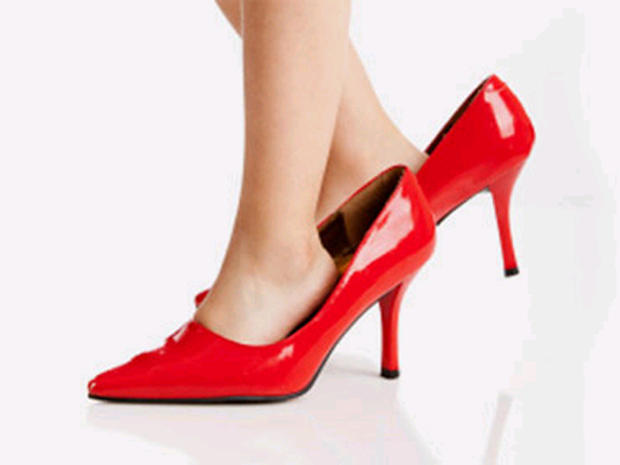
It's no secret that high heels can cause bunions, hammertoe, ingrown toenails, and other problems. But did you know that high heels can also lead to broken ankles and toes, not to mention ligament tears and dislocated ankle tendons?
Gel manicures
Flickr/lwpkommunikacio
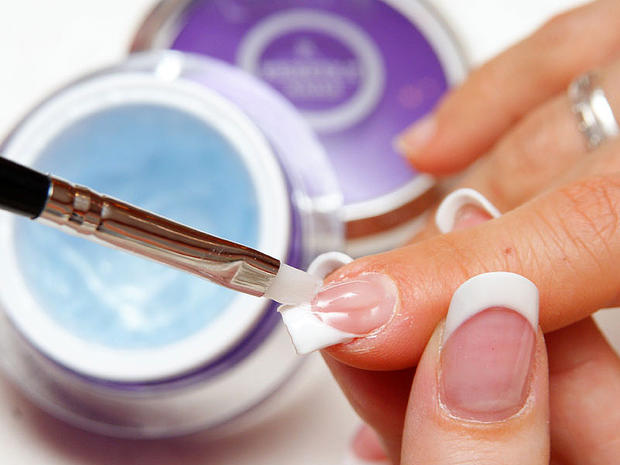
The chemicals used in gel manicures - in which a gel applied to the nail is cured under an ultraviolet light - carry potential dangers. Ethyl cyanoacrylate, formalin, toluene, and methyl methacrylate can all irritate the eyes, skin, and mucous membranes and damage the respiratory tract, kidneys, liver. And a recent report published in "Archives of Dermatology" linked the use of UV nail lamps to skin cancer, noting that the amount the UV radiation lamps emit is comparable to that emitted by tanning beds.
Permanent make-up
istockphoto
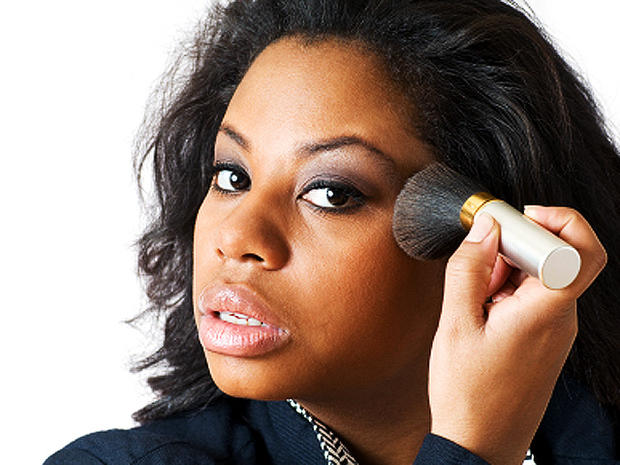
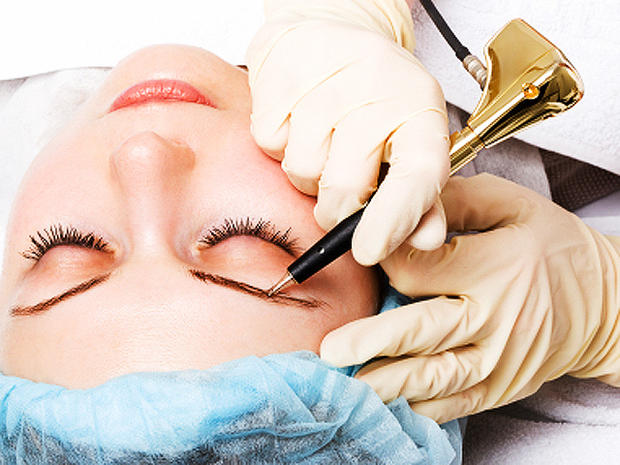
Although conventional make-up is generally safe, women who opt to get so-called "permanent" make-up - a.k.a. dermal pigmentation and cosmetic tattooing - are throwing the dice with their health. Eyebrows, eyelids, and lips are the most asked-for areas, although cheeks (blush), eye shadow and even beauty marks can be applied. Trouble is, permanent make-up has been linked to infections, allergic reactions, and even skin cancer. And if you have a change of heart and want to remove the make-up, you may be unable to find a doctor willing to perform the tricky laser surgery required to remove it.
Indoor tanning
istockphoto
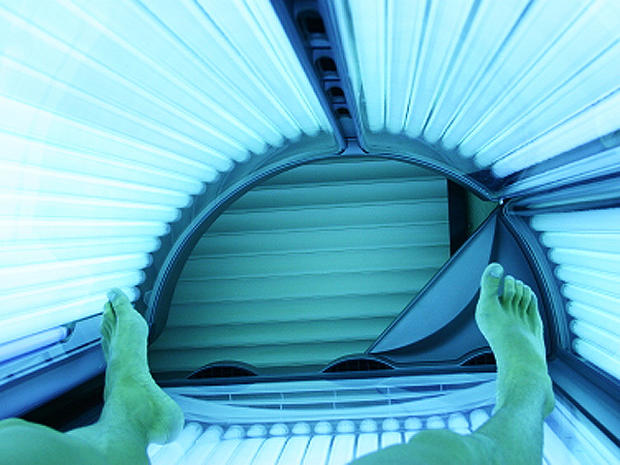
Spray tans are pretty safe, but women continue to use tanning beds. And there's clear evidence linking indoor tanning to skin cancer, including melanoma, the deadliest kind. Use of tanning beds before age 30 increases the risk for melanoma by a whopping 75 percent. Some tanning salons insist that indoor tanning is safer than outdoor tanning. Don't believe it. Evidence suggests that tanning beds emit UV radiation at levels far exceeding those in sunlight.
Piercings
istockphoto
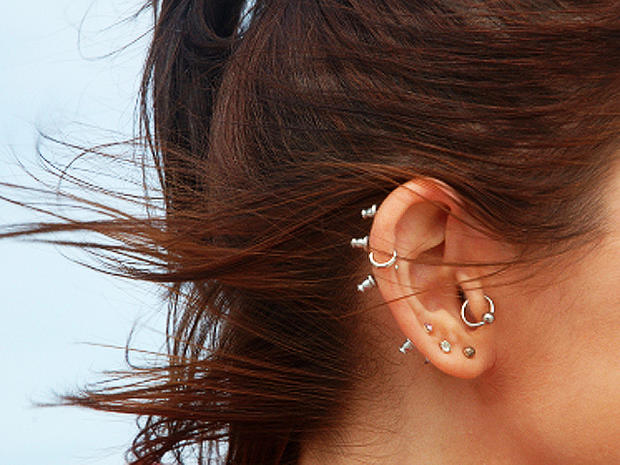
Piercings of the upper ear are common these days. From a medical standpoint, that's not a good thing. Unlike the earlobe, the rim of the upper ear is composed mostly of cartilage, which lacks a good blood supply. That makes it vulnerable to bacterial infections. Most of these are minor and controllable with antibiotics. But left untreated, they can lead to systemic infections, possibly involving the lining and valves of the heart. And, of course, there's always the risk that the nickel used in inexpensive pierced earrings can cause an allergic reaction.
As more people are getting oral piercings to the lip and tongue, dangerous health consequences are rising from those as well. These include infection, blood vessel and nerve damage and tooth injuries.
Tattoos

istockphoto
More than a third of adults in the U.S. under age 35 and about a quarter of those ages 18 to 50 now sport at least one tattoo. But as tattoos have become common, so have tattoo-related infections - including HIV, hepatitis C, and methicillin-resistant Staphylococcus aureus (MRSA). In fact, tattoos are thought to cause more than twice as many cases of hepatitis C infections as injection drug use. And some tattoo artist use inks that contain so-called azo pigments, which have been linked to cancer. Believe it or not, there are no national standards for the training or licensing of tattoo artists.
Heavy pocketbooks
istockphoto
When patients come to me with back pain, I pay attention to the weight of their pocketbooks. These days, it's not uncommon to see purses as large as toaster ovens (and even heavier). And heavy pocketbooks can cause spine and joint problems as well as shoulder and neck pain. Heavy bags change women's posture no matter how they're carried. Over time, they can lead to arthritis.