Store loyalty apps promise savings but critics warn your data is the real price

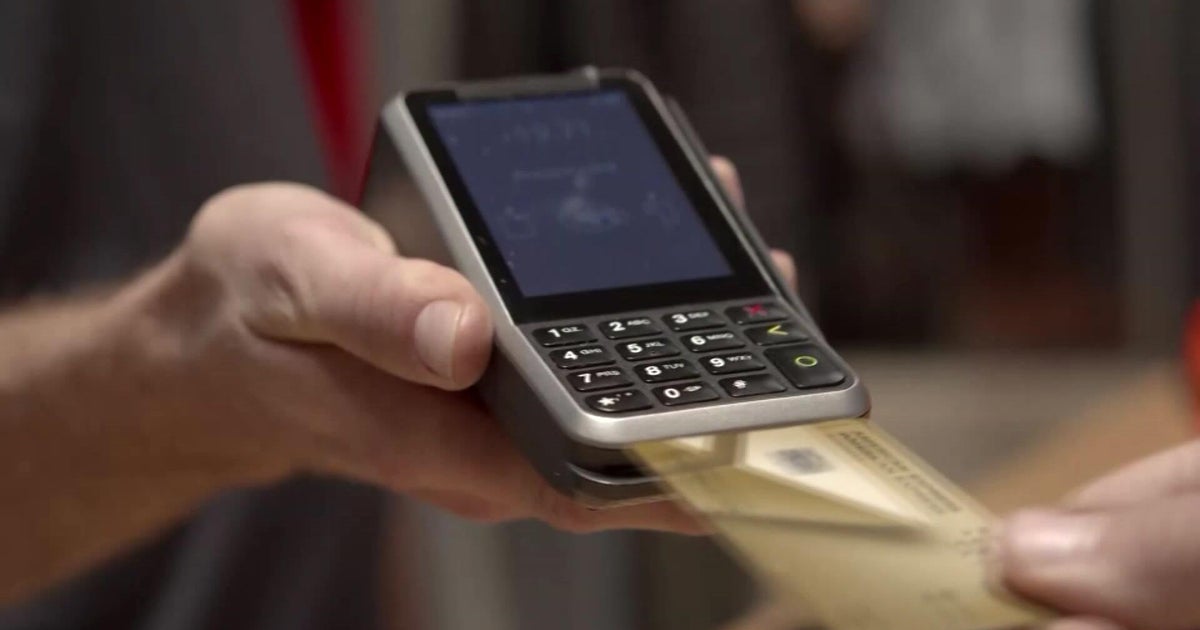
From gas to groceries, people are hunting for ways to save. That often means pulling out a phone at checkout and scanning a store app for discounts.
But consumer advocates say those savings may come with a hidden cost: your personal data.
Many grocery chains now require shoppers to log in, scan barcodes or load digital coupons to get the lowest prices. Those programs may look like simple rewards, but experts warn they are powerful data‑collection tools.
"I'm all about it," said Padraic Maroney, who uses grocery apps and coupons regularly. "It's a small price to pay."
Not everyone agrees.
What stores collect about you
Kevin Brasler, executive editor of Delaware Valley Consumers' Checkbook, said modern grocery loyalty programs are far more sophisticated than the old club cards of the past.
"There's lots of money to be made by grabbing our data, tracking our movements in the stores, seeing what we buy, looking at our shopping histories," Brasler said, "and then selling that information to brands and other people who want these data to market to us."
That data can include:
- What you buy and how often
- How much you're willing to spend
- Which brands you stay loyal to
- How long you linger in certain aisles
In some cases, stores can track customers even when an app is not open, using in‑store technology.
Why loyalty can backfire
While grocery chains promote loyalty programs as a way to deliver personalized savings, Brasler warned long‑term loyalty to certain items and brands could potentially hurt consumers.
"If you're blindly loyal to that brand," Brasler said, stores may "not lower their prices ever" because they know customers will keep buying.
With artificial intelligence, Brasler said it has become easier for retailers and brands to analyze shopping behavior and decide how much they can charge without losing customers.
What privacy policies reveal
Albertsons, the parent company of ACME and Safeway, states in its privacy policy that it collects data about your browsing behavior while using its app, location data and "demographic data indirectly captured through cameras," which is shared with third parties. But the company says that information is stripped of personally identifiable details.
Still, privacy experts warn that information combining purchase history, movement within stores and demographic data can be valuable, even if names are removed.
Brasler said he has concerns about how that data could be used in the future.
"Maybe you don't care whether people know what brand of mayonnaise or ketchup you buy," Brasler said. "But what we don't know is how all this data will be used against us, essentially, in the future."
He raised concerns that grocery purchase data could eventually influence decisions far beyond the checkout line.
"Are they going to decide what health insurance premiums to charge us based on what we bought at the grocery store?" Brasler asked.
How to limit what you share
There are steps shoppers can take to reduce data collection while not giving up their rewards entirely. Consumer Affairs recommends starting with your app's privacy settings. It should have options to limit data sharing, but you'll likely have to dig to find it.
Using a separate email address for store apps can also help reduce data exposure.
For quick trips, consider skipping entering your loyalty number or logging into your app to "create gaps" in your profile, according to Consumer Affairs.
New Jersey and Delaware are among 20 states where customers have the right to request a copy of the data companies have collected about them and opt out of targeted advertising or the sale of that information.
Big business behind loyalty programs
The amount of money tied to customer data is significant. A Consumer Reports investigation found Kroger, one of the nation's largest grocery chains, made more than $500 million selling personal shopper information between 2020 and 2024.
For some shoppers, the trade‑off still feels worth it.
"It's a small price to pay and that goes a long way in this economy," Maroney said.
For Brasler, it doesn't.
"That's always what worries me," he said. "What I don't know."
Looking for help with a consumer issue? Click here to submit your complaint to In Your Corner.