Prostate cancer survivor shares his journey as Black Americans face significant disparities

A new report shows Black people continue to face significant disparities when it comes to cancer. There has been a decline in cancer deaths for Black people, but new research from the American Cancer Society shows there continues to be a big gap in survival rates.
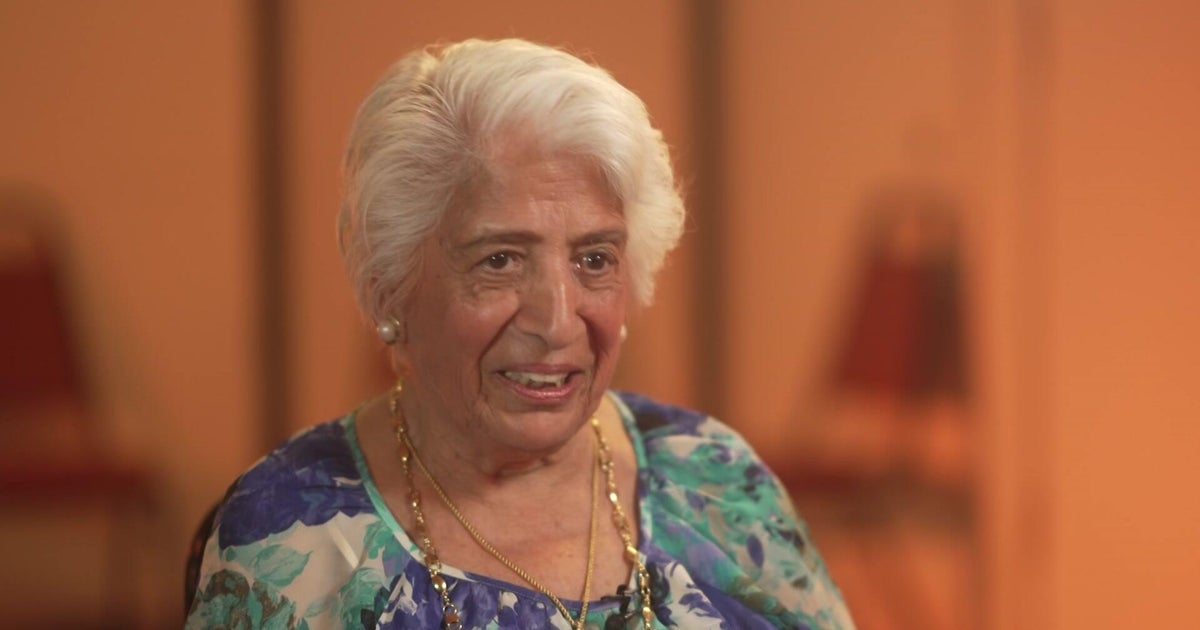
James Waddington is a prostate cancer survivor on a mission.
Stahl: "What's your message to the Black community, now?"
Waddington: "Screening is important."
He was diagnosed nearly five years ago at age 50 after his doctor recommended a PSA blood test that helped catch his prostate cancer early.
"I said, 'If I survive the surgery, I will do everything I can to make people more aware of the importance of early detection,'" Waddington said.
A new report from the American Cancer Society shows while cancer death rates among Black people are declining, they remain higher than those for other racial and ethnic groups.
"We're excited by the improvements. But despite that, Black men are significantly more likely to die from the disease, and Black women who have a less chance of developing cancer are more likely to die from it," said Dr. William Dahut, the chief scientific officer at the American Cancer Society.
The report finds Black patients compared to White patients have a two-fold higher risk of death for myeloma, prostate, uterine (endometrial), and stomach cancers, and 40% to 50% higher for colorectal, breast, cervical and liver cancers.
"In prostate cancer, Black men are about 67% more likely to be diagnosed and about two times more likely to die," Dahut said. "There's probably a different inherited risk in Black men than white men. Based on our research, Black men are often not offered the same treatment options as white men."
Waddington shares his story to raise awareness about the disparities.
"Part of this work I do with the American Cancer Society is I tell people I wanna be around for grandkids," Waddington said. "I push myself to stay on top of my health. This is what I want my legacy to be, granddad did something to help, you know, the community overcome cancer."
Work, he hopes, will save more lives.
The cancer society says men should be getting PSA blood tests starting at age 50 – earlier if they're in a high risk group.