Can medical debt hurt your credit? New Jersey mom says collector made illegal threats

A South Jersey mother says thousands of dollars in unexpected hospital bills after the birth of her daughter spiraled into aggressive debt collection tactics she claims crossed the legal line.
Gabby Lomas of Magnolia, Camden County, is now the lead plaintiff in a proposed class‑action lawsuit against Apex Asset Management, a Pennsylvania‑based debt collector. The suit alleges violations of federal and New Jersey consumer protection laws.
Lomas says she owed more than $3,300 in medical bills tied to her pregnancy and childbirth, even after insurance.
"That's about like almost two months of mortgage payments for us," she told CBS News Philadelphia. "So [we] didn't pay it and I was hoping to get some kind of repayment plan figured out, but they sent it to the collection agency."
Her daughter, Luna, was only a few months old when collection letters and phone calls began, according to Lomas.
"The heart starts racing," she said. "I did send a letter in response, because I wanted them to validate all the debt that I had and I did tell them, please don't contact me by phone, only by mail, but they continued to call me."
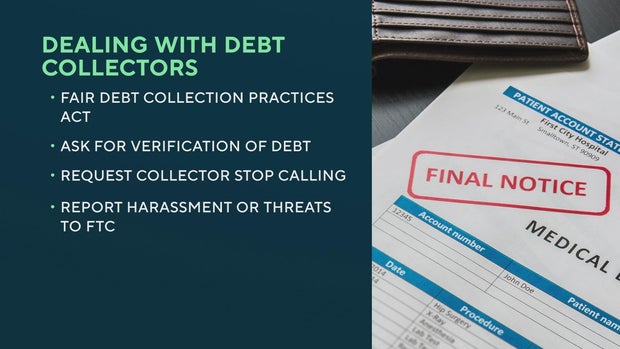
Under the federal Fair Debt Collection Practices Act, consumers have the right to request verification of a debt and to demand that collectors stop calling them. If collectors ignore those requests, consumers can file complaints with the Federal Trade Commission at reportfraud.ftc.gov. Collectors can face fines for violations.
According to FTC complaint data analyzed by NumberBarn, a phone number management platform, nearly half of reported calls last year were flagged as being abusive, harassing or threatening.
In court filings, Lomas alleges Apex continued calling and texting her, and even contacted her husband, after receiving a written cease‑and‑desist notice. The lawsuit also claims Apex sent letters signed by a "Legal Collection Coordinator," creating the impression that attorneys were involved when they were not.
The complaint further alleges Apex threatened to report Lomas' medical debt to credit bureaus, which is something New Jersey law prohibits for medical services performed after July 22, 2024.
Consumer attorney Jacob Ginsburg, who represents Lomas, says many people don't realize how many protections they have, even if they legitimately owe money.
"There are so many things, even if someone does owe a debt, that a collection agency or the credit bureaus are not allowed to do, and people simply don't know," Ginsburg said.
Ginsburg says Lomas' experience is not unique and believes stronger penalties are needed to deter illegal collection practices.
"No one is saying a collection agency is not allowed to collect a debt," he said. "The point is there are rules, and they need to follow those rules."
Lomas says she has never refused to pay what she owes but wants accountability.
"I'm more than willing to pay my debt back," she said. "I just want to hold them accountable."
Apex Asset Management did not respond to requests for comment.
Medical debt is one of the most commonly disputed items on credit reports, often because of insurance delays or unexpected costs. In response, more states are limiting how medical debt can be reported.
New Jersey and Delaware now prohibit certain medical debts from appearing on credit reports. Pennsylvania does not yet have a similar ban.
Looking for help with a consumer issue? Click here to submit your complaint to In Your Corner.


