Unsafe levels of E. coli found in Philadelphia's waterways including Delaware, Schuylkill rivers, report says
A variety of waterways around Philadelphia had unsafe levels of the fecal bacteria E. coli, a potential hazard to swimmers, according to a new report from a local environmental organization.
PennEnvironment examined two years of water quality data from over 600 sites along waterways around Pennsylvania, including the Delaware and Schuylkill rivers. Over half of the sites had potentially unsafe levels of E. coli on at least one day that the water quality was tested.
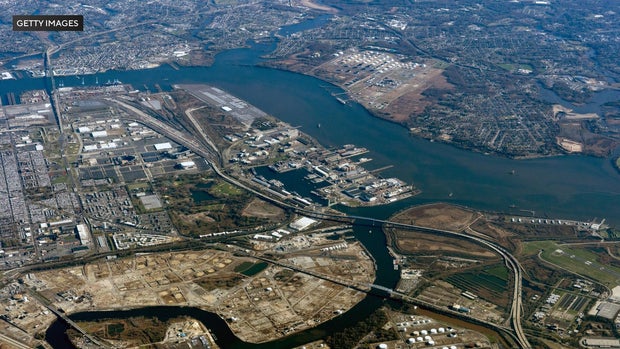
On the Philadelphia section of the Delaware River, 37 of 43 testing sites exceeded the recommended levels of E. coli bacteria on at least one day of testing. Twelve of Philly's Delaware River testing sites exceeded unsafe bacteria levels on each day they were tested.
PennEnvironment says the Philadelphia Water Department dumps over 12 billion gallons of untreated sewage and stormwater a year into the Delaware and Schuylkill rivers and their tributaries.
In a statement, PWD said it has released its annual output into waterways by over 3 billion gallons a year since 2011, exceeding regulatory targets.
"PWD remains committed to watershed-wide regional partnerships and strategic investments to continuously improve water quality and support safe recreational use," the department said in a statement.
In contrast to Philadelphia, sites along the Delaware River in Bucks County, the Lehigh Valley and the Poconos often met health standards for E. coli on every day they were tested, according to the report.
PennEnvironment's report said contamination from sewage overflow, septic systems and manure from farms can carry bacteria into waterways.
The report commends changes including protecting wetlands, improving stormwater and wastewater infrastructure, and expanding water quality monitoring, including notification programs that warn people about unsafe conditions in rivers and streams.


