Denver Broncos linebacker Alex Singleton undergoes successful surgery for cancer
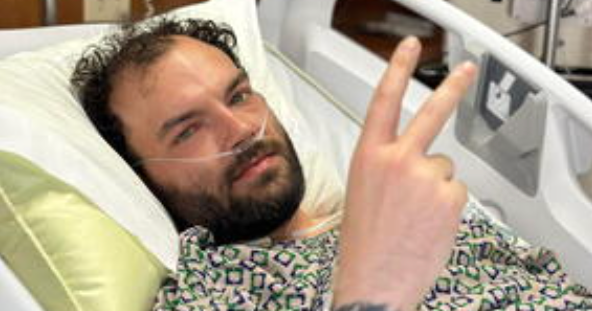
The Denver Broncos announced on Monday that linebacker Alex Singleton underwent successful surgery to treat testicular cancer on Friday.
The 31-year-old was diagnosed earlier last week after the results of a random drug test flagged health officials of various indicators of cancer.
"A little over two weeks ago, following a random test as part of the NFL's Drug Testing Program, I received a notice that I had elevated levels of the hormone hCG in my system," Singleton said in a statement. "Without a doubt, I knew with how diligent I am with what goes into my body that this was not from anything external I may have taken. After speaking with my agent and wife, we decided to book an appointment with a urologist."
The team said Singleton is recovering and team doctors are confident he'll be able to return to the field in the coming weeks, pending results of additional tests.
"Our No. 1 priority is Alex's health and well-being, and we are grateful it appears the cancer was caught early," the team said in a statement. "Alex and his family have our unwavering support as we look forward to welcoming him back on the field soon."

Born in Thousand Oaks, California, Singleton is in his fourth year with the Broncos. He previously played three years with the Philadelphia Eagles and was on various practice teams before that.
Testicular cancer, when diagnosed and treated early, has a survival rate of 95 to 99%, as long as it doesn't spread to vital organs, according to the American Cancer Society. It's also not uncommon to be found in younger men and even teen boys. It's most common between ages 15 and 34. One in 250 men will develop testicular cancer in their lifetime, and around 600 people die of it each year in the U.S., according to the Testicular Cancer Awareness Month.
Singleton, in his statement, thanked Broncos head coach Sean Payton, various doctors and health officials with the team, his agent, his family, and fans.
"I wrestled with sharing such personal information publicly. But the fact is, if it helps one person decide to pay closer attention to their body, then it is well worth it," Singleton said. "Early detection and regular screenings save lives and can save loved ones from a lot of grief. Heck, I have a wife, Sam, and daughter, Tallyn, along with an amazing family back in California. Not to mention, I'm a part of a great organization here with my Broncos family."