Common tax mistakes that can delay your refund: know before you file in 2026
With the tax filing deadline now just two months away, financial experts are warning taxpayers to avoid common mistakes that could delay refunds or even trigger problems with the IRS.
While Friday the 13th is often tied to superstition, tax professionals say this time of year is the perfect opportunity to get organized and file correctly.
These are three common tax filing mistakes to avoid.
Don't wait to file taxes
One of the biggest mistakes: waiting until the last minute.
Surveys show nearly one in 4 taxpayers procrastinate, according to financial services firm IPX, increasing the risk of missing important forms, overlooking credits or making rushed errors that can slow down processing.
Make sure tax return is correct
Another frequent issue is incorrect basic information — especially Social Security numbers.
Experts say even a small typo can delay a return, and accurate numbers for dependents are critical because many child‑related credits require them.
Do you have to file taxes?
Some taxpayers also skip filing altogether because they believe they didn't earn enough to be required to file. But not filing can mean missing out on money.
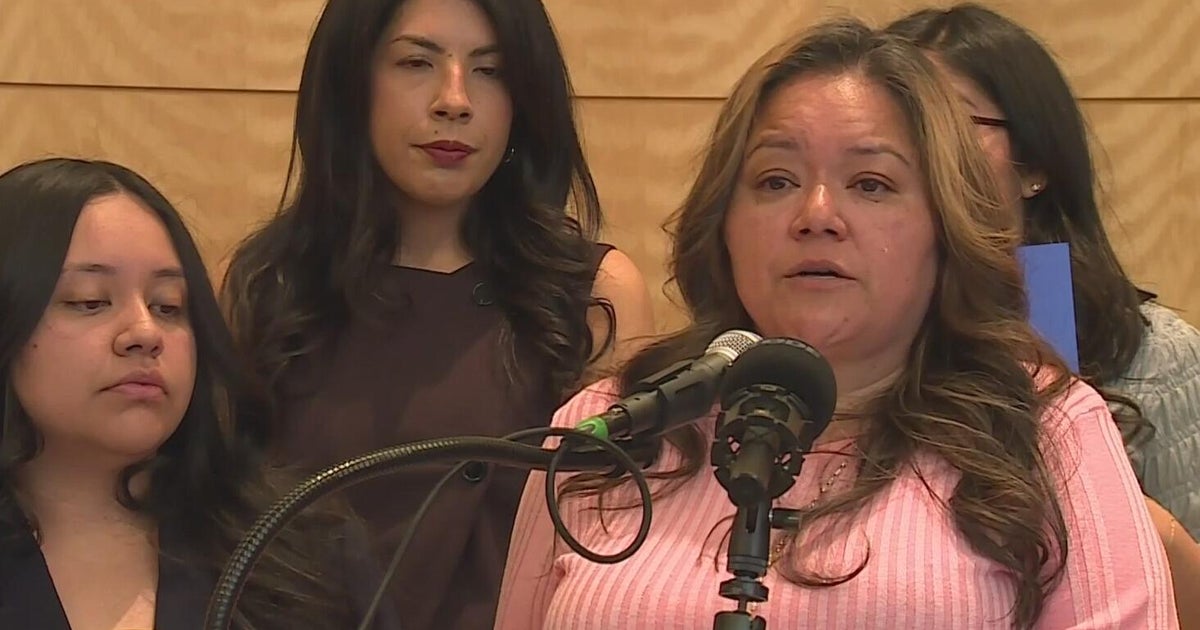
"There are some people — like maybe college students who worked a side job — and they just don't file because they make under the income thresholds," said Lisa Greene‑Lewis, a certified public accountant with Intuit TurboTax. "But if you make under that, and you had federal taxes withheld, and you may be eligible for a refundable credit, like the Earned Income Tax Credit or some of the education credits, you should file because you can get that money back."
For tax year 2025, the IRS says single filers under 65 are not required to file if they earned less than $15,750. Married couples filing jointly under 65 are not required to file if they earned under $31,500. Thresholds increase slightly for taxpayers over 65.
Still, experts stress that individuals under the filing requirement may benefit from filing if they had taxes withheld or qualify for refundable credits.
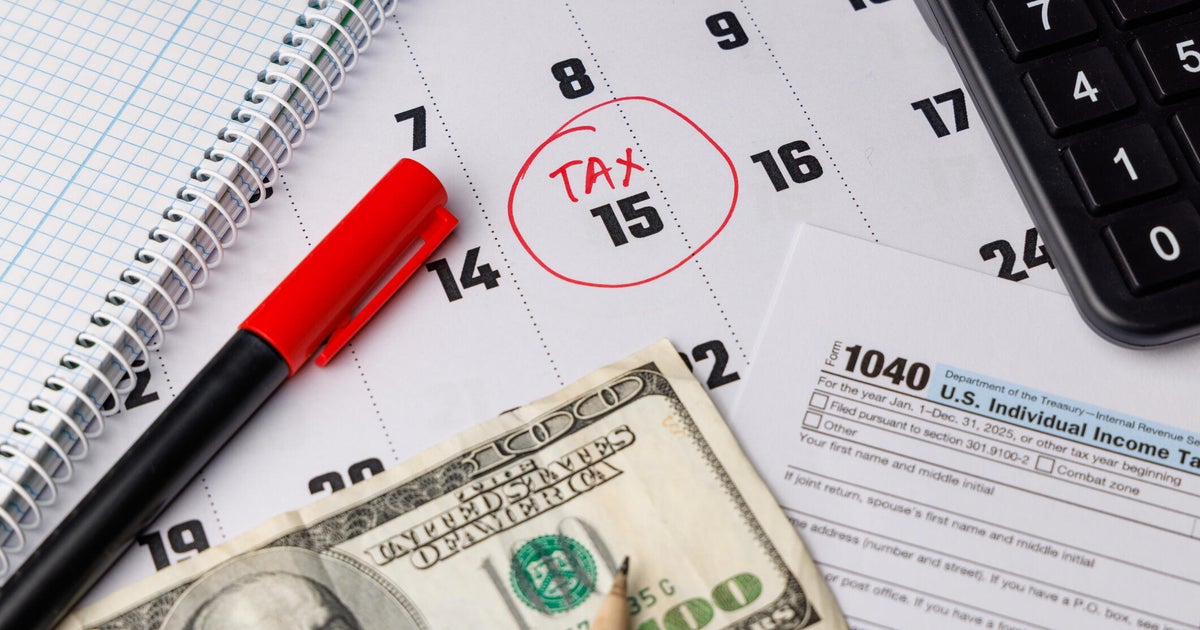
Taxpayers who need more time can request an extension by the April 15 deadline. But an extension only delays the filing of the return — not the payment. Any taxes owed must still be paid by April 15 to avoid interest or penalties.