How dogs are helping aphasia patients improve their ability to speak: "This is the best thing ever"

Denise Mendez is practicing giving cues to a training dog at the Jefferson Moss-Magee Rehabilitation Center.
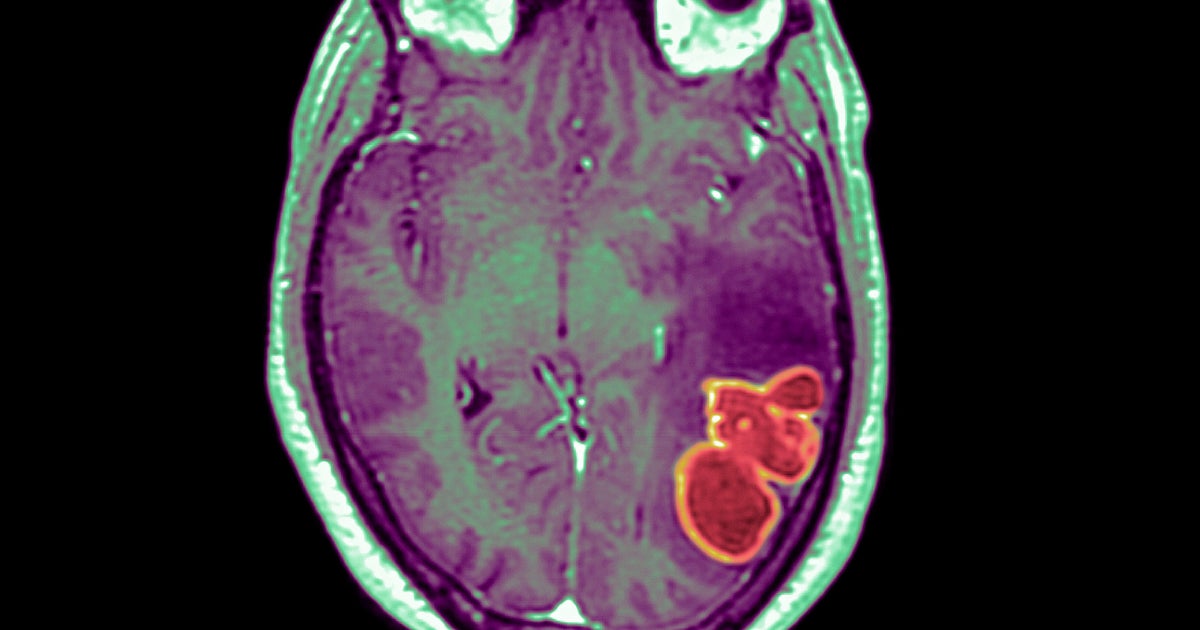
Mendez is in a special therapy program for patients who have aphasia, which is a common side effect of having a stroke. Aphasia impairs a person's ability to speak.
"The scary part was, I didn't really know what was coming out of my mouth," she said.
Mendez has come a long way and is now able to better control what she's saying. But she said having aphasia can be embarrassing and isolating.
"It made me not want to talk at all," Mendez said.
But that's changed now, with the help of therapy at the Jefferson Moss-Magee Rehabilitation Aphasia Center.
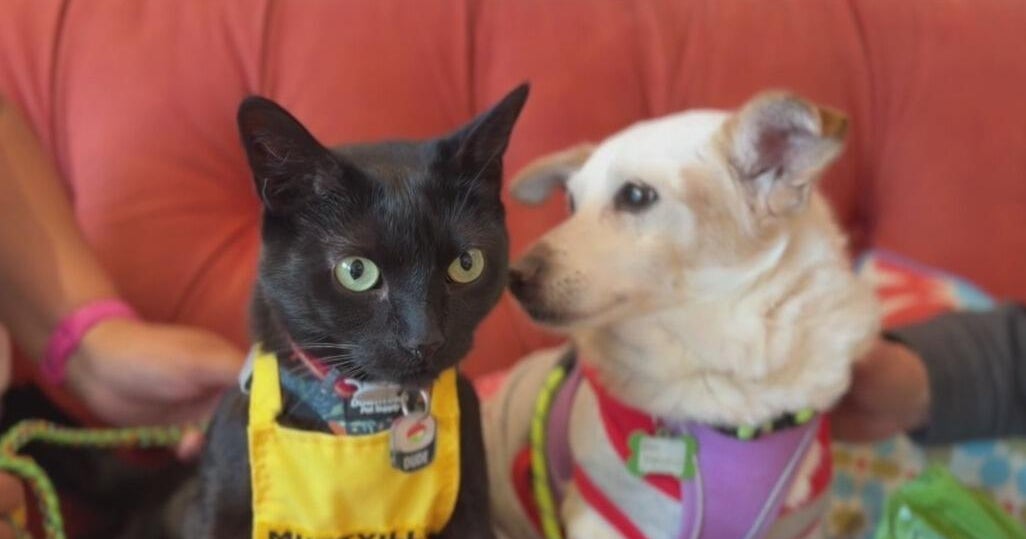
"The dog acts as a non-judgmental communication partner," said Sharon Antonucci, who is the director at the Aphasia Center at Jefferson Moss-Magee Rehabilitation.
Antonucci said working with dogs can help patients practice and improve communication skills, both verbal and non-verbal.
"If the person is really having difficulty with speaking, they can rely on the gesture that they've learned, and they can also rely on the dog to kind of act as that support," Antonucci said.
Working with dogs can reduce anxiety and pressure to perform. After practicing with dogs, patients like Mendez said it gets easier to interact with people.
"It's helping me to speak clearer, make sure I'm saying exactly what it is that I want to say," Mendez said. "What you are learning actually does help you ... weeks later with the communication."
"This is the best thing ever," she added.