Will the price of gold rise again this January?
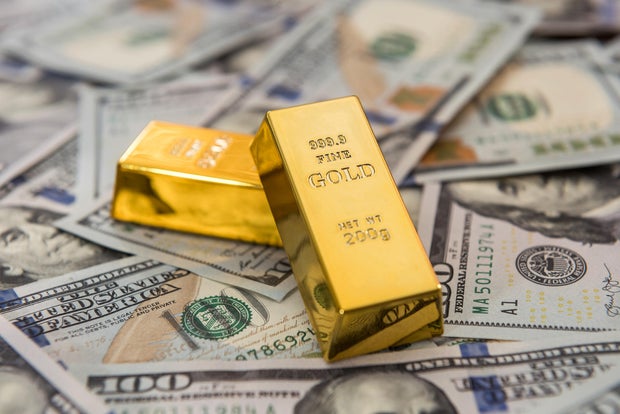
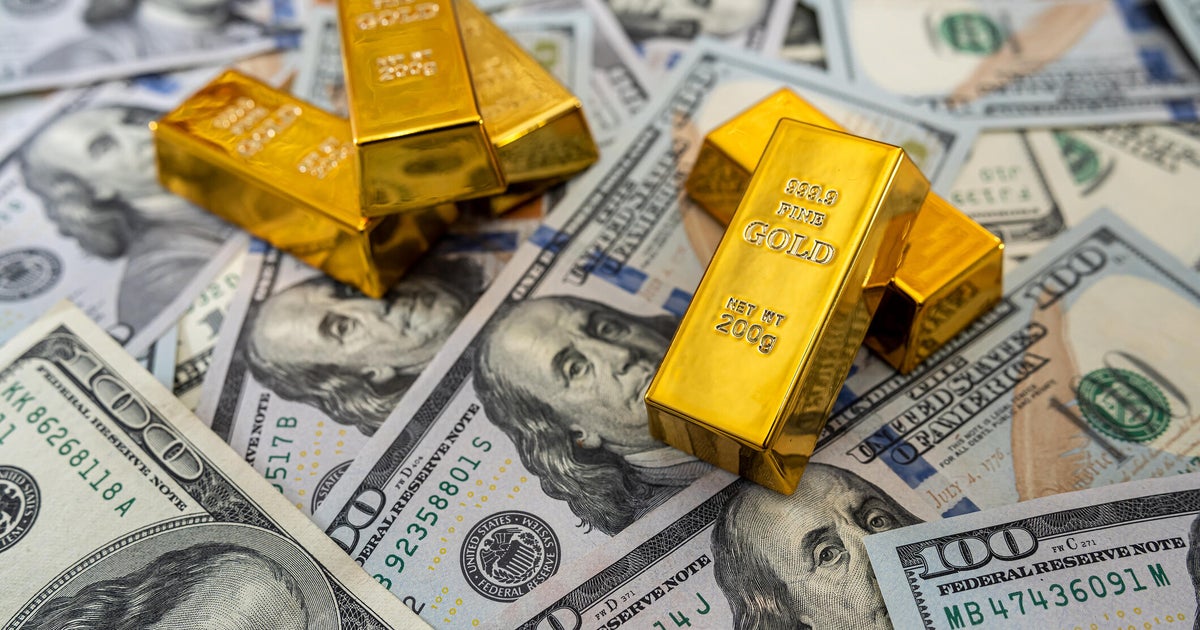
It wasn't that long ago that a gold price of $3,000 per ounce seemed out of reach. After all, even after surpassing numerous price records in recent years, gold only started 2025 priced around $2,600 per troy ounce. But multiple economic factors last year drove the price to new records, first past $3,000 and then past $4,000. And now, in the opening days of 2026, it's possible that the price of gold could hit a record $5,000 price mark, perhaps sooner than many had anticipated at the end of 2025.
This is good news for existing investors, of course, but it can also be a strong motivator for beginners and other investors who have yet to get started with the yellow metal. Delaying action any further could lead to these investors being priced out of the gold market altogether if the cost ticks up again. And that very likely could happen, perhaps even as soon as this January.
While predicting the future price movement of any asset is always difficult to do with precision, there's a compelling case supporting gold price hikes this month. Below, we'll break down three reasons why the price of gold could rise yet again – and what to do before that potentially happens.
Start by exploring your top gold investing options online now.
Will the price of gold rise again this January?
While there's no guarantee that gold's price will increase again this month, the settings for another price hike appear right. Here are three timely reasons why it could tick up further:
Geopolitical uncertainty could increase
The price of gold historically rises during periods of geopolitical uncertainty. And that's a pertinent concern right now amid tensions between the United States and Venezuela. While no one knows exactly what will happen next, this uncertainty can (and historically does) encourage investors to turn toward safe-haven assets like gold.
This, in turn, can cause the price of the metal to rise. And it's already up around $100 per ounce from where it was at the very end of 2025. That said, conditions here can also cool, too, which could encourage the price of the metal to stagnate a bit. But if you're worried about getting priced out of the gold market entirely, amid today's news developments, it may make sense to explore your metal investments now.
Learn more about your gold investing options here.
Inflation progress may stall
It's been a bumpy decline down to the Federal Reserve's preferred 2% inflation rate. And while inflation declined to 2.7% in the most recent report, it's still almost a full percentage point higher than the central bank would prefer. Any stall in the fight to get inflation lower could easily cause the price of gold to rise. An increase in inflation, after all, tends to increase the price of gold as investors flock to the metal for protection against the corrosive economic impacts felt elsewhere. Pay close attention, then, to the next inflation report that's set to be released on January 13. The price of gold may be impacted then.
Lower interest rates are likely to remain constant
The chances of another Federal Reserve interest rate cut when the bank meets again this month are low. But even just keeping rates where they are or talking about additional cuts ahead can potentially impact gold prices in an upward direction. Fed rate cuts, historically, lead to a rise in the price of gold thanks to increased investor interest amid economic uncertainty. And while most experts expect the Fed to keep rates steady this month (the CME Group's FedWatch tool lists a cut at just a 16% likelihood), today's lower rates and the hint of an even lower one in the near term could cause the price of gold to increase.
The bottom line
There is no guarantee that the price of gold will continue rising this month. But if the historic drivers behind the metal remain strong, as they appear to be in early January, then the price of the metal could surge again, perhaps even to new records close to $5,000 per ounce. So, if you want to invest in the metal and want to do so before that happens, consider exploring your options and be sure to understand the pros and cons of investing in the metal now. Perhaps most importantly, be sure to keep the gold limited to 10% of your overall portfolio, both to let your other assets perform as needed and to avoid over-investing in an asset better known as a portfolio protector versus a quick income producer.