What happens to Zelle or Venmo payments when your bank account is frozen?
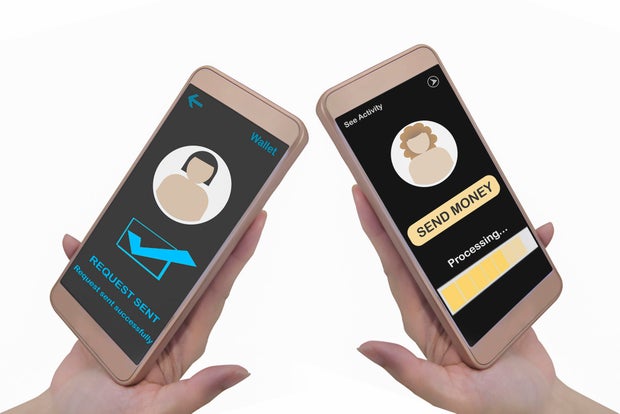
Peer-to-peer payment apps have made it almost effortless to move money between bank accounts. Whether you're splitting a restaurant bill with a friend, reimbursing a family member or paying someone else back for a purchase, services like Zelle and Venmo can move money from your account to theirs with a few simple taps. But that convenience depends, at least in part, on having access to the bank accounts connected to those services.
And access to your bank account isn't always guaranteed. If a creditor or debt collector obtains a judgment against you, for example, they may be able to levy the money in your bank account, subject to federal and state protections. That can leave some or all of the funds in the account temporarily unavailable while the bank determines what amount must be turned over to satisfy the debt, and what funds, if any, are exempt.
That type of account freeze can create complications beyond the transactions you make directly through your bank. So, if you regularly use Zelle or Venmo to send or receive money, will those payments still go through if your bank account is frozen — and what happens to money that's already on the way? That's what we'll examine below.
Find out what debt relief options you may qualify for now.
What happens to Zelle or Venmo payments when your bank account is frozen?
When your bank account is frozen, the biggest issue you may face is that you will temporarily lose the ability to move money out of it. That can affect the payments you've made through Zelle or Venmo, but what exactly happens to each transaction depends on how the payment is being processed and where the money is coming from or going.
With Zelle, the connection to your bank account is relatively direct. Money you receive through Zelle is typically deposited into the bank account associated with your Zelle profile rather than being held in a separate Zelle balance. So, if someone sends you money while that account is frozen, the payment may still be deposited, depending on the restrictions the bank has placed on the account. However, you may not be able to access or spend those funds once they arrive. And if the freeze resulted from a creditor levy, newly deposited money could potentially be affected by the levy as well, depending on applicable law and the timing and scope of the levy.
Sending money through Zelle can be more difficult if your account is frozen. Because the payment generally draws from your linked bank account, the bank may block the transaction if the funds in that account are temporarily being held as part of the levy process. If you sent the payment before the freeze took effect, however, the outcome may depend on how far along the transaction was. A completed Zelle payment has generally already reached the recipient, while a transaction that hasn't completed may require you to contact your bank to determine its status.
Venmo works a little differently because the money you receive can remain in your Venmo balance instead of moving immediately to your bank. If someone sends you a Venmo payment, for example, those funds may remain available within Venmo rather than automatically landing in the frozen account.
The bank freeze can still cause problems when you try to move money between Venmo and the affected account, though. A transfer from your Venmo balance to the frozen bank account may be rejected or otherwise disrupted, and you may be unable to fund a Venmo payment using money from that bank account. If you've already initiated a bank transfer, whether it completes can depend on its processing status and the restrictions imposed by your bank.
Ultimately, a frozen bank account doesn't automatically mean that every Zelle or Venmo transaction will fail. But it can disrupt any payment that relies on money entering or leaving that account. That's why it's important to check the status of pending transactions and contact your bank before sending additional payments or transferring more money into the affected account.
Learn more about the debt relief strategies you can use today.
What should you do if a bank freeze is disrupting your payments?
If a bank levy is causing issues with your payments, your first step should be determining why the account was frozen and exactly what restrictions are in place. A creditor levy, fraud-related hold and bank-imposed security restriction can affect transactions differently.
If the freeze stems from a debt collection judgment, you should also find out whether any of the money in your account is protected. Federal and state laws can exempt certain funds from garnishment or levy, and protections may apply to some federal benefits and other income. If you believe protected funds have been frozen, review the notice from your bank or court promptly because there may be a deadline for challenging the levy or claiming an exemption.
It also makes sense to address the underlying debt before the situation creates additional financial problems. Depending on your circumstances, that could mean negotiating with your creditors on a solution or working out a payment plan directly with the creditor. If you're struggling with multiple unsecured debts, you could also explore whether enrolling in a debt settlement program makes sense. When you enroll in this type of program, the debt relief company you work with will try to negotiate lump-sum settlements on eligible balances for less than what's owed, saving you between 30% and 50% on average.
Whatever route you take, just be sure to avoid routing new payments into a frozen account until you understand what will happen to them. If someone needs to send you money right away, determine what alternatives are legally available and whether incoming funds could still be subject to the creditor's collection efforts.
The bottom line
A bank account freeze doesn't necessarily affect Zelle and Venmo in exactly the same way. Because Zelle payments generally move directly into or out of a linked bank account, a freeze can interfere with your ability to send money and can leave incoming funds inaccessible once they reach the account. Venmo may give you more separation if money remains in your Venmo balance, but transfers involving the frozen bank account can still fail or be restricted.
If your account has been frozen, check the status of any pending payments and contact your bank before attempting additional transfers. And if a creditor levy caused the freeze, dealing with the debt itself — whether through a settlement, payment arrangement or another form of debt relief — may help you address the larger financial problem rather than just the payment disruption.