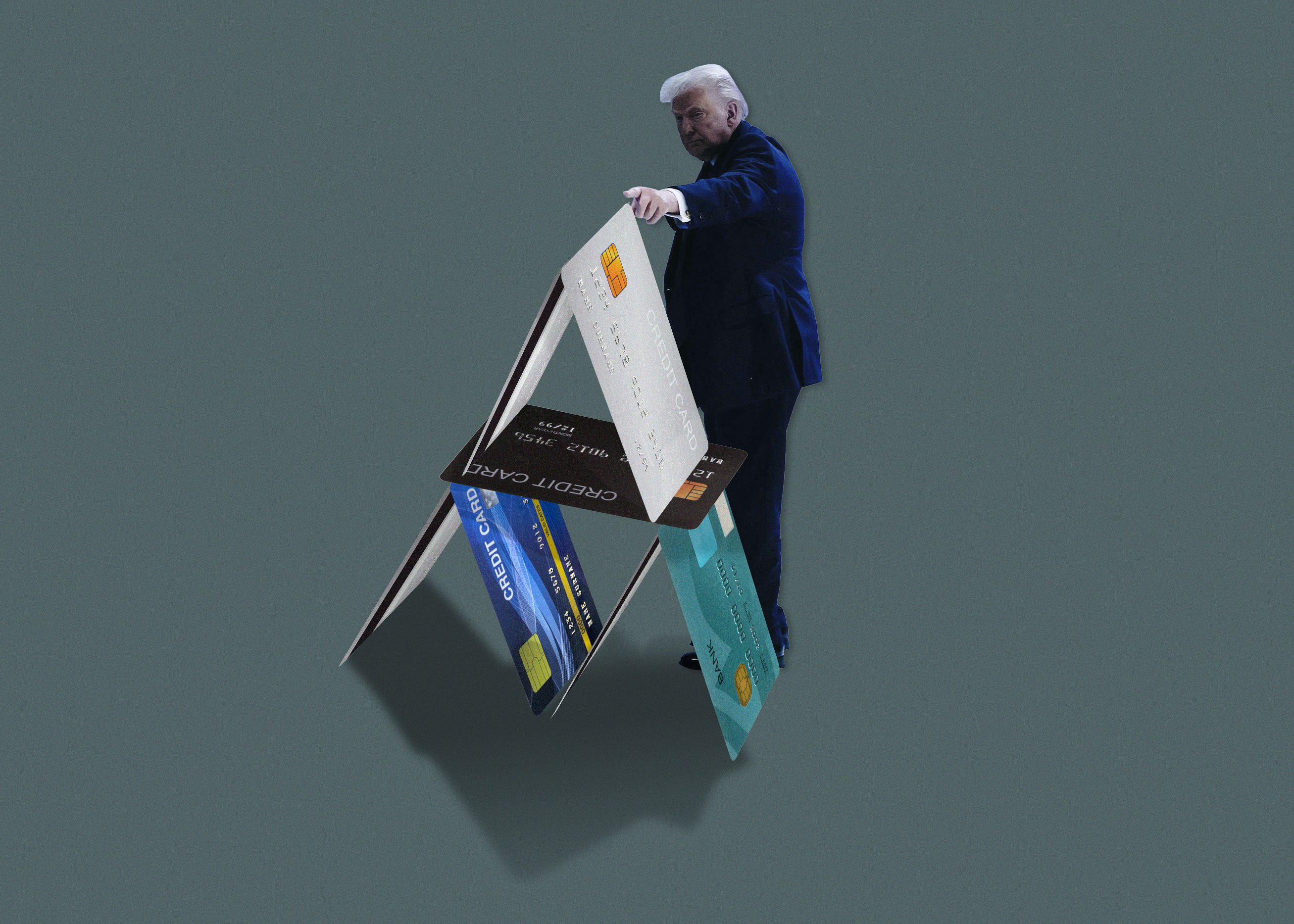
What happens if your credit card payment bounces?

When your finances are tight, even a well-planned credit card payment can go sideways. You may have scheduled the automatic payment a few days too early, or in some cases, a deposit didn't clear your checking account in time. Or, you may have simply overestimated how much was actually available in your account. And, with inflation weighing on people's budgets and other economic pressures looming, these payment timing misfires are becoming more common.
But what happens when there isn't enough money in your checking account when an automatic payment tries to process? Or when you miscalculate your available balance and your manually submitted payment gets rejected? The consequences of a bounced credit card payment extend far beyond a simple inconvenience, potentially triggering a chain reaction that makes an already difficult financial situation significantly worse. That's why understanding exactly what unfolds after a payment bounces, and knowing your options for damage control, is critical.
Find out how you can start the debt relief process today.
What happens if your credit card payment bounces?
When a credit card payment is returned unpaid, the card issuer treats it as a returned payment, whether it's due to insufficient funds, a typo in your account number or your bank flagging the transaction. That triggers a specific chain of events, including the following:
You'll likely be hit with a returned payment fee
Most credit card issuers charge a returned payment fee when a payment bounces. These fees vary but typically range from $25 to $40, depending on the issuer. If it happens more than once in a short period, the returned payment fee may increase.
Learn more about your debt relief options online now.
Your minimum payment is still due
A returned payment does not count as a payment toward your balance. Your minimum credit card payment is still due immediately, and if you miss the due date, you could also incur a late fee on top of the returned payment fee.
Your interest rate could increase
If the payment bounces and you then miss your minimum card payment deadline, you may trigger the issuer's penalty APR, which is often around 29% or higher. This elevated interest rate can apply to new purchases and sometimes even to your existing balance, making repayment significantly more expensive.
Your credit score may take a hit, but not right away
The returned payment itself isn't reported to credit bureaus. What does get reported, though, is the late payment once it's 30 days past due. If the bounced credit card payment causes you to become delinquent on your account, the resulting late mark can drop your score by 60 to 100 points (depending on your starting credit profile).
Your account could be restricted
Bounced payments, especially if you make more than one returned payment on the account, can prompt the card issuer to freeze your ability to make new purchases, reduce your credit limit or, in extreme cases, close your account. Card issuers see multiple failed payments as a sign of financial instability.
The good news is, though, that if you resolve the shortfall and submit a successful payment quickly, you can often avoid the most severe fallout, especially in terms of the credit damage.
What to do if your credit card payment bounces
One bounced payment may be a fluke, but if it happens more than once, it could be a sign that your debt load has become tough to manage. Whether you're temporarily short on cash or consistently struggling to make minimum payments, here are steps that can help.
Make the payment as soon as possible
The faster you correct the issue, the less likely you are to incur additional fees or hit the 30-day late reporting threshold. If the funds weren't available the first time, confirm that your account balance is sufficient before resubmitting the payment.
Contact your issuer and explain what happened
Card issuers will sometimes waive the returned payment fee if you reach out quickly to address the issue, especially if this is your first time or you have an otherwise solid payment history. Calling right away also signals that you're taking the issue seriously.
Review your budget and bill payment timing
If your checking account is frequently close to zero before payday, adjusting your due dates, which many card issuers will allow you to do, or switching to manual payments instead of autopay, may prevent future bounced transactions.
Consider whether your debt has become unmanageable
If bounced payments, minimum payment struggles or rising credit card balances are becoming routine, debt relief strategies may be worth exploring. The options include:
- Debt consolidation: This strategy allows you to roll multiple credit card balances or debts into one fixed-rate loan, potentially lowering monthly costs and streamlining the repayment process.
- Debt management (through a credit counseling agency): Creating a structured repayment plan with the help of a credit counselor may result in reduced interest rates and waived fees.
- Debt settlement: Negotiating with creditors to settle your balances for less than you owe can help you save significantly on your debt. This option is typically used when your accounts are already delinquent, though.
Get professional help if needed
A reputable debt relief company or a nonprofit credit counseling agency can help you evaluate your full financial picture and determine whether a structured program can help stabilize your payments.
The bottom line
A bounced credit card payment can be stressful, but it's also fixable, especially if you act quickly. While the immediate consequences often involve fees and extra costs, the bigger risks come from leaving the issue unresolved. By catching up on your payment, communicating with your issuer and addressing any underlying financial strain, you can prevent a one-time mistake from spiraling into credit damage or long-term debt trouble.
If bounced payments are becoming a pattern, though, it may be time to explore the debt relief options that can bring your balances — and your budget — back under control.