What do voters really want?
It was the same way in 1776, apparently -- Congress suffered from gridlock.
At least according to the Broadway play "1776." During the contentious debates over the colonies' independence from Great Britain, the delegate from New York repeatedly abstains, courteously, from voting. The president of the Continental Congress is appalled to learn that New York's legislature has never sent instructions on whether to vote yea or nay -- on anything.
"Have you ever been present at a meeting of the New York legislature?" says the delegate, Lewis Morris. "They speak very fast and very loud and nobody pays attention to anybody else, with the result that nothing ever gets done." The more things change . . .
To his credit, after abstaining on the final vote approving the resolution to break away from England, Morris breaks rank and says of the Declaration of Independence, "To hell with New York - I'll sign it anyway." Kumbaya!
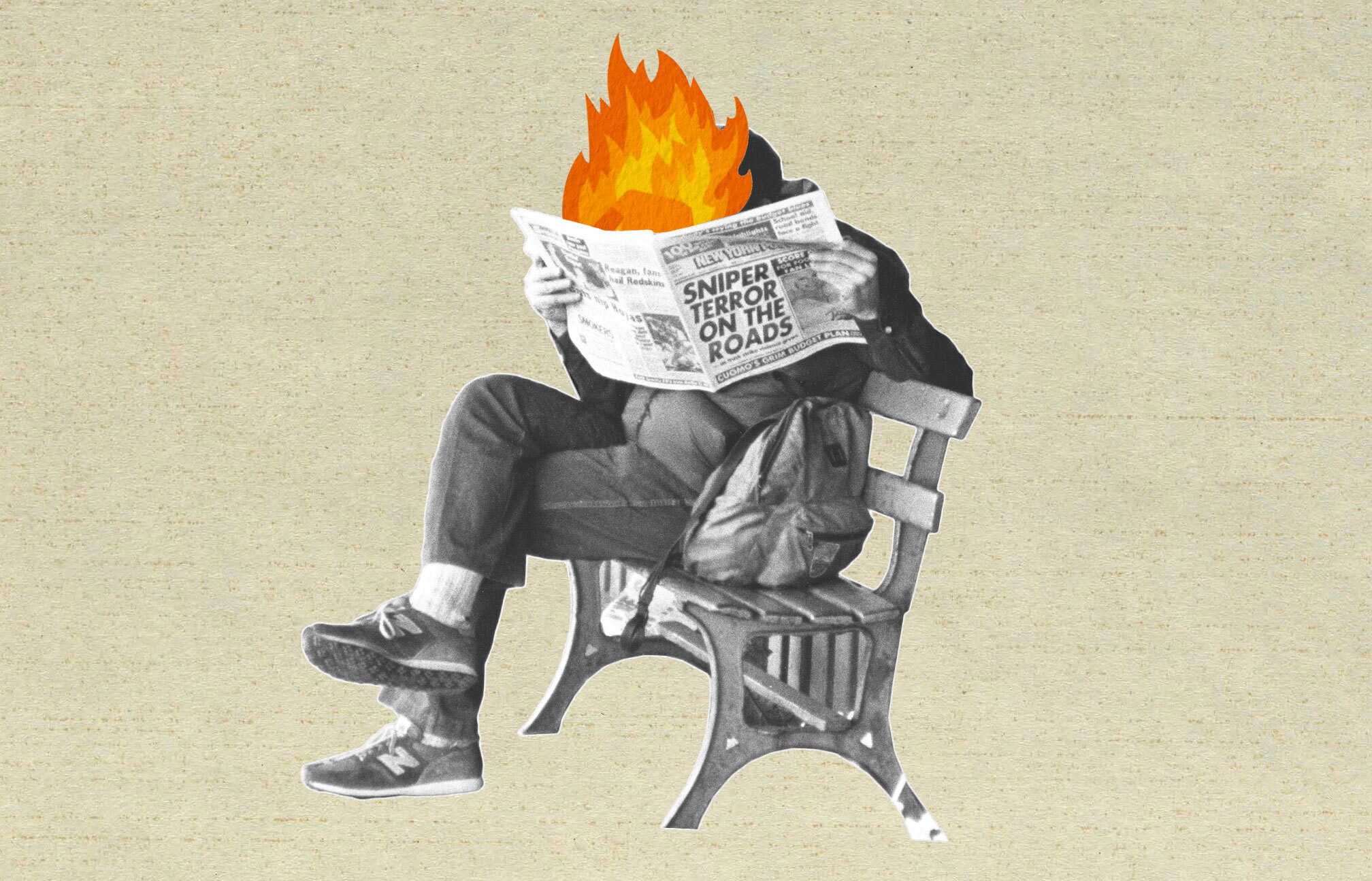
Throughout this political season polls have told of unceasing voter anger and frustration with Washington gridlock, and candidate upon candidate has railed against how government needs to be "fixed." That anger is palpable across the political spectrum: A new CBS/New York Times poll shows that eight out of 10 likely voters want new blood in Congress. Republicans and Democrats are generally backing their own parties, but Independents are breaking toward the GOP.
Now the causes for Washington gridlock, and the resulting anger, aren't totally the fault of the party in power. But apart from wagging fingers about how Republican policies "drove us into this ditch in the first place," President Obama and Congressional Democrats have apparently failed in directing voter anger away from themselves and towards the GOP.
It's a particularly bad sign for the majority party that Democrats have been unsuccessful at assigning blame despite being viewed more positively by voters than are Republicans in the poll (46% to 41%, respectively). But then, they are the ones in charge right now, and so they're taking the brunt of the heat.
Talking about how Republican filibusters (or more accurately, mere threats to filibuster) have stalled action on many key issues isn't as sexy as talking about bills passed and signed -- but when those bills have been given epithets like "Obamacare," many Dems find it easier to avoid the matter altogether. No sense getting your audience angry at you, even if it's for the wrong reasons.
And patience cannot be assumed, even among your supporters. One person told the BBC, "We've been screwed for a long time," and of President Obama, "he's been slowly, creakily un-screwing us." Bridled praise, indeed.
Critical Contests: CBS News Election 2010 Race Ratings
https://www.cbsnews.com/election2010
See all Ratings for Senate, House and Governors in an Interactive Map (Updated Oct. 25)
But while anti-incumbency has been a major theme this year, less evident have been ways in which Washington gridlock would be corrected with new people in charge, especially given the difficulty of government to change its ways when newbies come to town. In fact, the House Minority Leader John Boehner has promised that, if the GOP regains power, they will push many the same policies they have adopted in the past -- like reducing oversight of the banking industry that was passed this summer and extending tax cuts for the wealthiest Americans (which the president wants to let expire.
The same CBS News poll also shows that 59% of likely voters say they are more willing this year to back someone with little previous political experience. The fact that challengers may best incumbents without much other information at all, means voters are willing to back the devil they don't know over the devil they do.
One of the strangest news items this past week was a Washington Post story canvassing Tea Party groups nationwide. Though Tea Party activists have been characterized as taking to the streets with pitchforks over their anger with Big Government, the Post found that 70% of Tea Party activists have not been politically active.
The self-image of Tea Partiers as correctives to a broken polity and advocates for changing the country's direction ("We're mad as hell and we're not going to take this anymore!") now appears a tad deflated if they can't be bothered to actually engage in politics ("We're mad as hell and we're . . . sitting at home, drinking tea!").
Why rant and rail if you're not going to do anything about it? Because ranting and railing feels good and empowering, and in today's depressed economic climate, everyone could stand to feel a bit better.
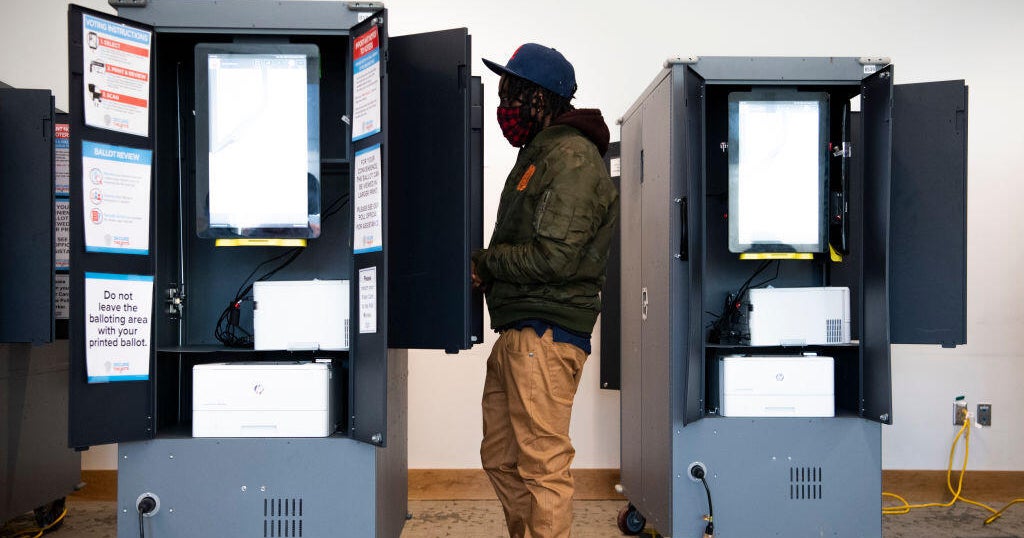
At the last midterm in 2006, 37.1% of the voting-age public bothered to cast a ballot. Though it had bumped up to 56.9% for the last presidential election, experts are predicting turnout for this midterm will again be moribund, despite the passions raised. Officials in Missouri and Nebraska are even predicting record low turnouts in their states.
The answer to the question "What do voters want?" seems to be . . . something, anything, as long as they don't have to do anything. Many are just fine with simply abstaining, courteously.