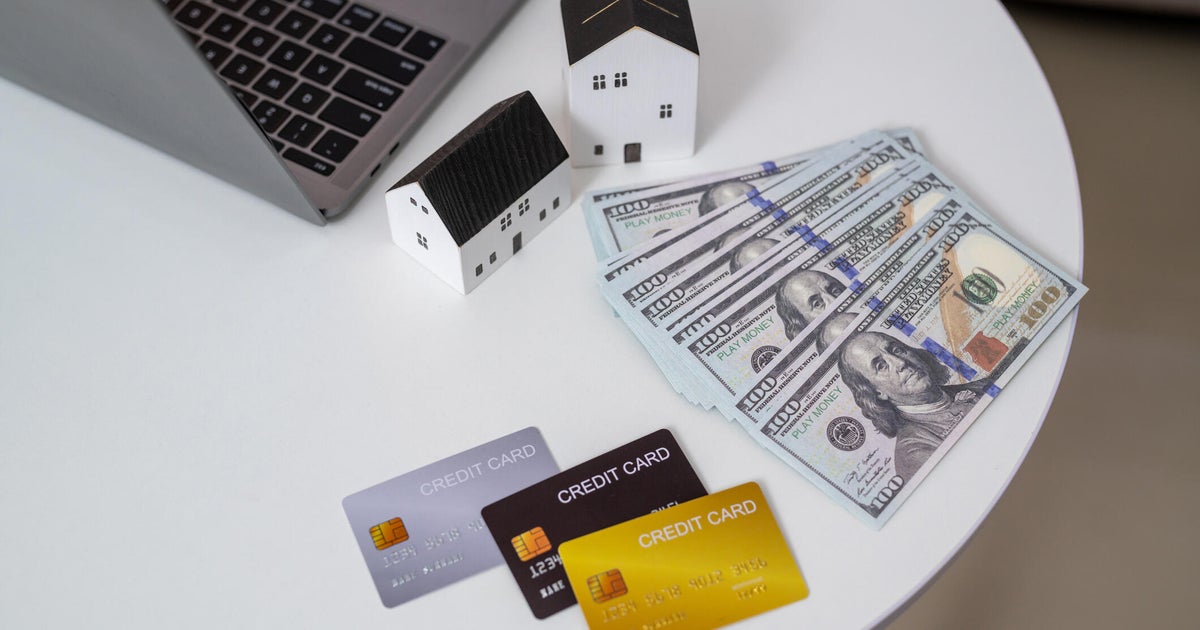
Should you use a credit card to pay for pet care?

As inflation continues to tick upward, many households have found ways to make room in their budgets for the higher costs that come with it, from rising grocery bills to elevated insurance premiums and borrowing costs. The problem is, though, that not all of today's rapidly rising costs can be easily accounted for. Even the most careful budgetary calculations can unravel when a pet needs unexpected veterinary care. After all, an unexpected trip to the vet can cost hundreds or thousands of dollars, so it can be tough to pay for without derailing your finances.
That's becoming an increasingly common dilemma as veterinary care grows more expensive each year. About 77% of pet owners say they view their pet like a child, but 76% of them also say rising vet costs are forcing them to set strict financial limits on vet care, according to recent research from Healthy Paws. And when faced with a life-saving veterinary treatment, about one in three owners say they would consider declining if the price tag exceeded $1,000.
A credit card can certainly be used to cover the vet bill when your pet needs care on short notice, but that convenience can also become costly if the balance lingers. So, before charging a large veterinary bill, it's worth understanding when using a credit card makes financial sense — and when another option could leave you in a stronger position.
Find out how affordable a Healthy Paws pet insurance plan could be today.
Should you use a credit card to pay for pet care?
A credit card isn't always a bad way to cover veterinary expenses. In many cases, it can be the quickest way to ensure your pet receives necessary care without delay. But before swiping your card, it's important to know when it makes sense to do so. A credit card is a tool, and like any tool, its value depends on how you use it.
For example, it can make sense to consider this route if you're able to pay the balance off quickly. If you can clear the charge within your billing cycle's grace period, you end up paying no interest on the charge you made while picking up the side benefits credit cards can offer, including fraud protection and any cash back or rewards tied to the card.
If you can qualify for a 0% introductory APR offer on a credit card, you can stretch that interest-free window to a year or more, effectively turning a $2,000 veterinary bill into a manageable monthly payment. And, you can do so with no additional interest costs, as long as you pay off the balance before the promotional rate expires.
The math turns against you the moment a balance lingers, though. At today's rates, an unpaid $2,000 vet bill that carries over from one month to the next as you only make the minimum payments can take years to pay off and cost hundreds of dollars or more in interest. Before swiping, then, it's worth asking whether you can realistically clear the balance within a few months, whether a lower-cost option exists — like a vet payment plan, a medical financing card or an emergency fund — and whether this is a one-time gap or a recurring habit. Those answers tend to decide for you.
The average credit card interest rate also remains above 21% right now, making credit cards one of the most expensive ways to finance ongoing expenses. Given how quickly interest can accrue at that rate (or higher), a credit card generally works best as a short-term financing tool rather than a long-term solution. Still, many pet owners default to this solution, and while that may solve an immediate problem, it can also create lasting financial strain if immediate repayment isn't manageable.
Learn more about the pet insurance options from Healthy Paws now.
Could pet insurance help you avoid credit card debt?
One of the main reasons pet owners reach for a credit card is that veterinary bills often arrive without warning. While a pet insurance policy can't eliminate every out-of-pocket cost, it can reduce how much you ultimately have to finance yourself. On a typical $5,000 emergency vet bill, for example, a 70% insurance reimbursement can reduce an owner's out-of-pocket cost by thousands of dollars. And, insured pet owners are almost 50% more likely to approve all recommended vet treatments, regardless of cost, Healthy Paws' research shows.
Pet insurance isn't exactly free, though, so you'll need to weigh the costs against the potential benefits to determine if it's the right solution for you. You'll pay monthly policy premiums, and most policies also include deductibles, reimbursement caps and coverage exclusions. Many policies also exclude pre-existing conditions, making it important to purchase coverage before health issues develop.
Even with pet insurance, though, many owners will still use a credit card to pay the veterinarian upfront while waiting for reimbursement from their insurer. That situation is a safer bet, though, as the balance may remain on the card for a few weeks while waiting for reimbursement from the pet insurance company rather than lingering for months or years, which reduces the likelihood of expensive interest charges accruing.
The bottom line
Using a credit card for pet care isn't inherently reckless. It's only reckless when the balance outlives the emergency. If you can pay it off within a grace period or a 0% promotional window, using a credit card can be a sensible, and even rewarding, way to handle an unexpected vet bill. If it's likely to become a balance you carry for months, though, it's important to pause and weigh alternatives like pet insurance, first.