Obesity drug boosts lifespan of roly-poly rodents: Are humans next?
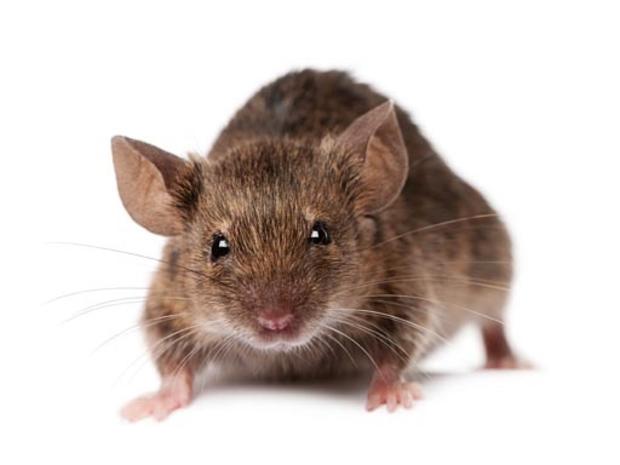
(CBS) Good news for the obese - at least if you happen to be a mouse.
Scientists have designed a drug that significantly extends the lifespan in obese mice. And they think one day it might to do the same for humans.
The drug, called SRT-1720, works by reducing liver fat and increasing the body's ability to process blood sugar. Just how much extra time did the fat mice get?
They lived 44 percent longer than mice who weren't given the drug, according to the study published in the August 18 issue of Scientific Reports.
For the study, Dr. Rafael de Cabo, a senior investigator for the lab of experimental gerontology at the National Institute on Aging, and his team put mice into four diet groups to see how the drug fared in obese and normal-weight mice. Fat mice given the drug lived just as long as normal-weight mice.
The drug mimics resveratrol, a compound in red wine that's thought to lower levels of "bad" cholesterol, protect the lining of the blood vessels, fight off the effects of a sedentary lifestyle, and even prevent sunburn, CBS News reported.
Resveratrol is thought to work because it activates proteins called sirtuins that have been shown in studies to have protective benefits. So the key for researchers was to develop a drug that also activates sirtuins.
In light of the results, DeCabo and his team are eagerly working on a human version of the drug, called SRT-2104, which may soon be put into clinical trials.
The study raises the question, can people eat whatever they want and live longer with the help of this pill?
Study co-author, Dr. David Sinclair, a geneticist at Harvard Medical School and co-chairman of the scientific advisory board of Sirtris, the developer of SRT-1720, told The New York Times he wouldn't go that far.
"The drugs could be used as a preventative to stave off diseases," he said. "But I don't think they will ever be an excuse to abuse your body."