Employers added 178,000 jobs in March, blowing past forecasts as job market rebounds
Hiring across the U.S. rebounded in March after falling sharply the previous month, with employers adding 178,000 jobs, according to new data from the Department of Labor.
By the numbers
The March employment report beat consensus forecasts of 60,000 payroll gains last month, according to FactSet.
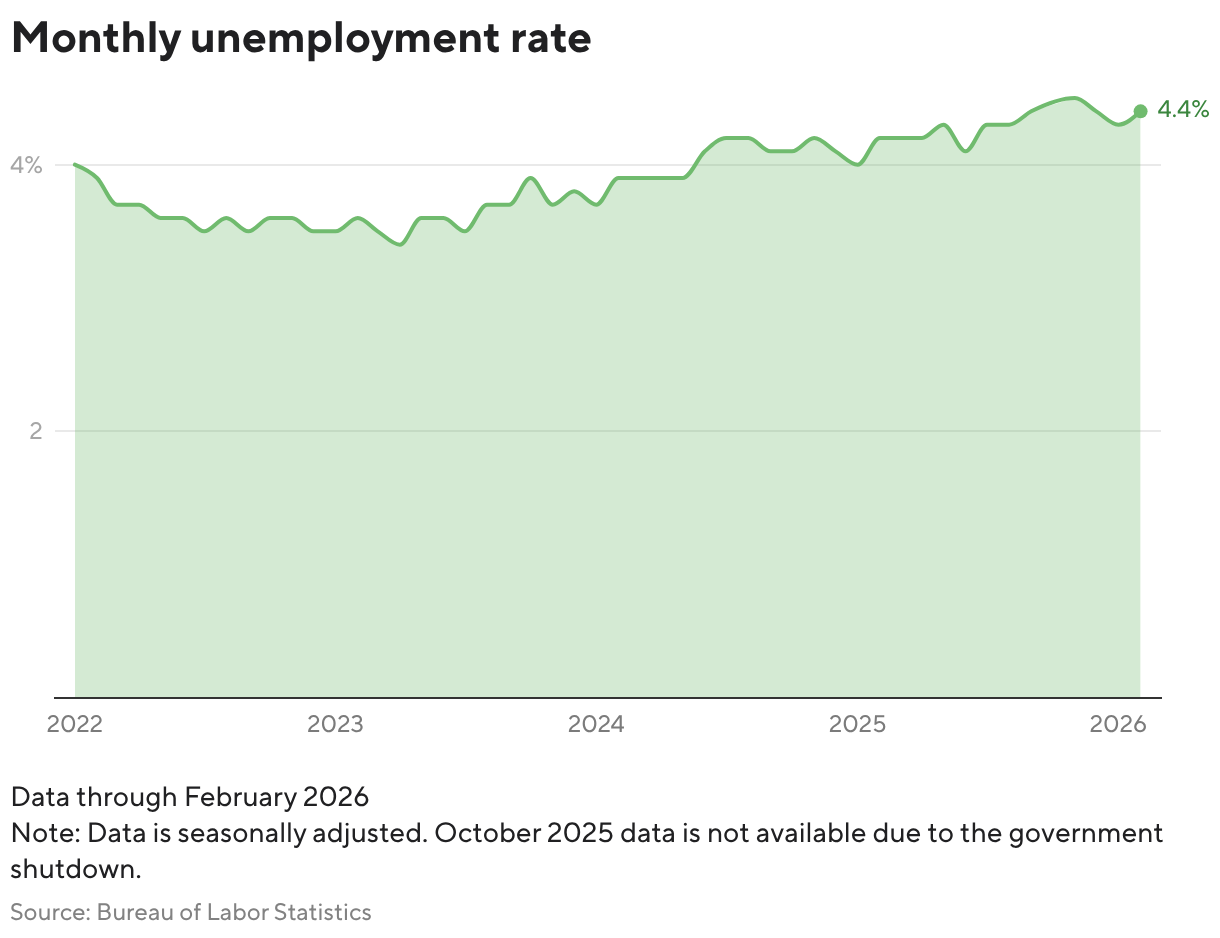
The unemployment rate dipped to 4.3% in March, down from 4.4% in the prior month.
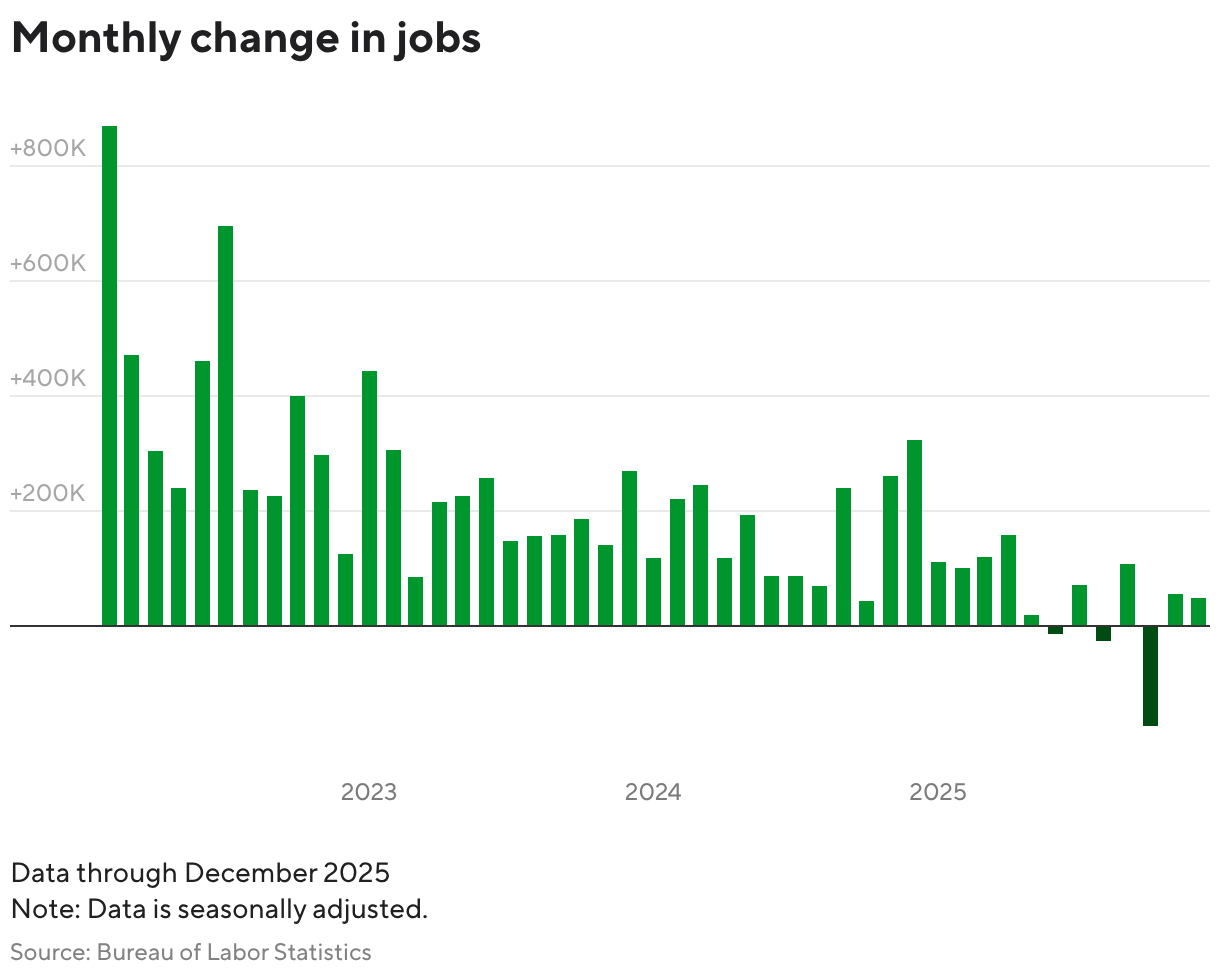
The health care sector helped spur job growth, with 76,000 payroll gains in March. That came after nurses returned to work following strikes earlier in the year. The construction and transportation and warehousing industries also saw gains, adding 26,000 and 21,000 jobs, respectively.
Federal employment continued to decline, falling by 18,000, according to the Labor Department.
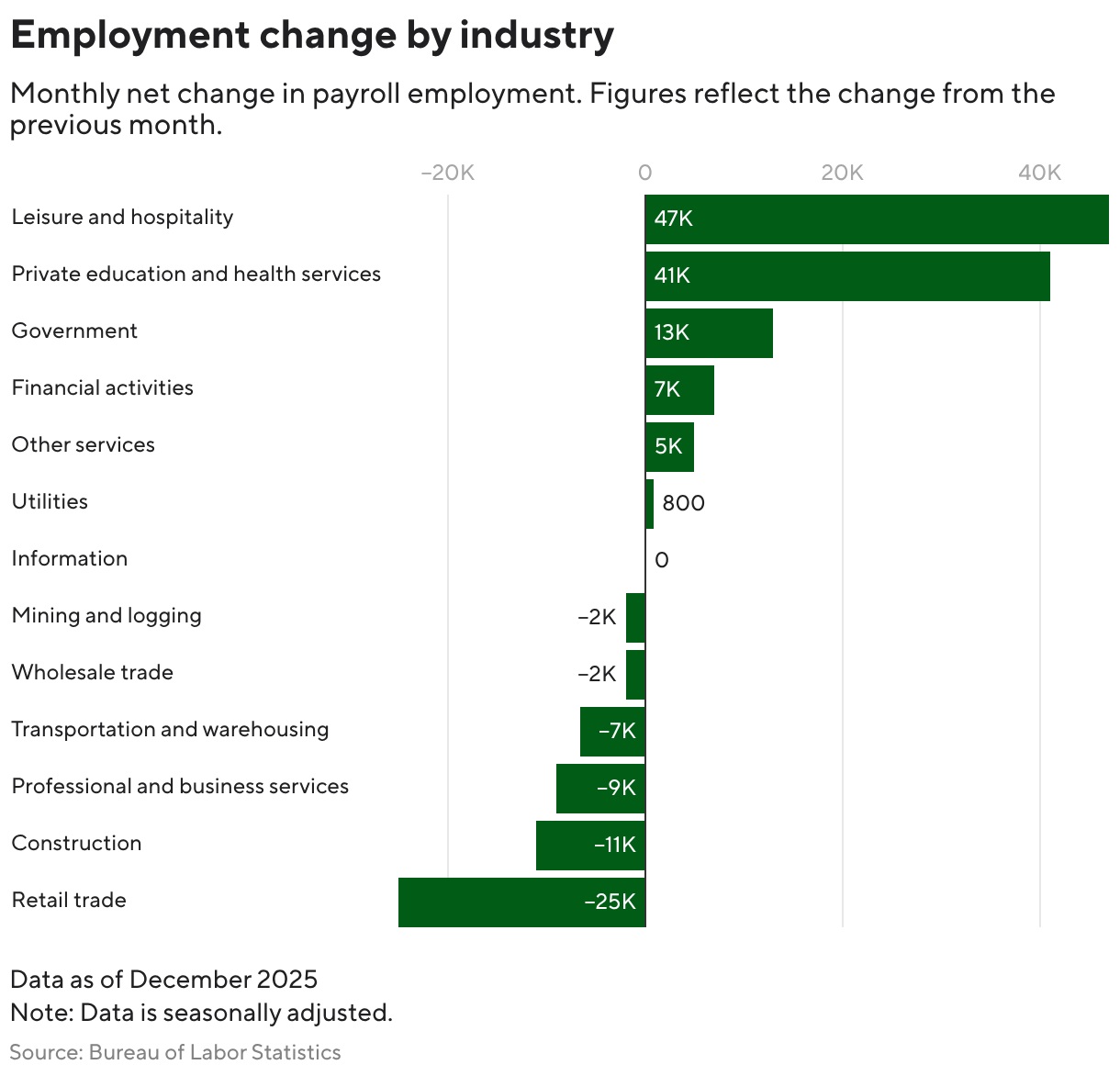
The latest payroll gains mark a sharp reversal from February, when employers unexpectedly cut jobs amid signs of a slowing labor market. Friday's report revised the reduction to 133,000, far larger than the 92,000 originally reported. February's weak numbers were partially due to strikes in the health care industry and winter storms.
Job growth has been mixed this year, with employers adding an average of 68,000 jobs per month from January to March.
What economists say
The strong March numbers signal that there are pockets of strength in the labor market, economists noted.
"This is a great Friday for the labor market, with a decisively lower unemployment rate and a bumper headline payroll number," Olu Sonola, head of U.S. economics at Fitch Ratings, said in an email. "The snapback from the health care strike was clearly evident, but the good news extended beyond that, with construction and manufacturing also posting solid gains."
While Friday's employment report signals a rebound last month, Americans are expressing dim views about the strength of the labor market. A recent Gallup poll from the end of 2025 found that 72% of Americans said it was a bad time to find a job, up from 54% a year earlier.
Some younger workers are having a harder time finding work, while anxieties are rising about the impact of artificial intelligence on the labor market. Federal Reserve Chair Jerome Powell recently addressed an economics class at Harvard University, telling students, "there's no denying it's a challenging time to enter the labor market," adding that there will be opportunities in the long term.
Higher energy prices due to the Iran war could push firms to curb hiring later this year and potentially boost layoffs, James McCann, senior economist of investment strategy at Edward Jones, said in an email ahead of the government's latest jobs readout.
Fuel costs have shot up since the U.S. and Israel attacked Iran on February 28, with domestic gasoline prices jumping above $4 a gallon and oil topping $100 a barrel.
Layoffs remain relatively muted for now. A recent report from outplacement firm Challenger, Gray & Christmas found that employers cut roughly 60,000 jobs in March, up from February but down year over year.
Impact on interest rates
While March's job gains signaled a return to a robust labor market, analysts also pointed to longer-term issues such as slow job creation, a shrinking labor force and a growing share of long-term unemployed workers.
Stephen Brown, chief North America economist at Capital Economics, said in a research note that the stronger-than-expected payroll gains in March reflect a reversal of the strike and weather effects that bogged down hiring in February, rather than strong momentum.
"The broader story of 2026 so far remains one of recalibration rather than acceleration," Laura Ullrich, director of economic research for the Indeed Hiring Lab, said in a statement.
March's employment numbers will keep the Federal Reserve on track to hold off on rate cuts, according to multiple analysts.
At their last meeting in March, Fed officials held the benchmark rate steady, while indicating that they still expect to issue one rate cut in 2026. However, multiple economists are predicting that the central bank will refrain from cuts this year altogether.
The March report "alleviates pressure on the Federal Reserve to act immediately and instead lets them look ahead to prepare for the impacts of the U.S.-Iran war and rising energy prices, which are likely to threaten its dual mandate," Glassdoor's chief economist Daniel Zhao said in a statement.