Iran agrees in principle to dispose of highly-enriched uranium, senior U.S. official says

Iran has agreed in principle to dispose of highly-enriched uranium in negotiations with the U.S., although a deal likely won't be signed this weekend, a senior Trump administration official said Sunday morning.
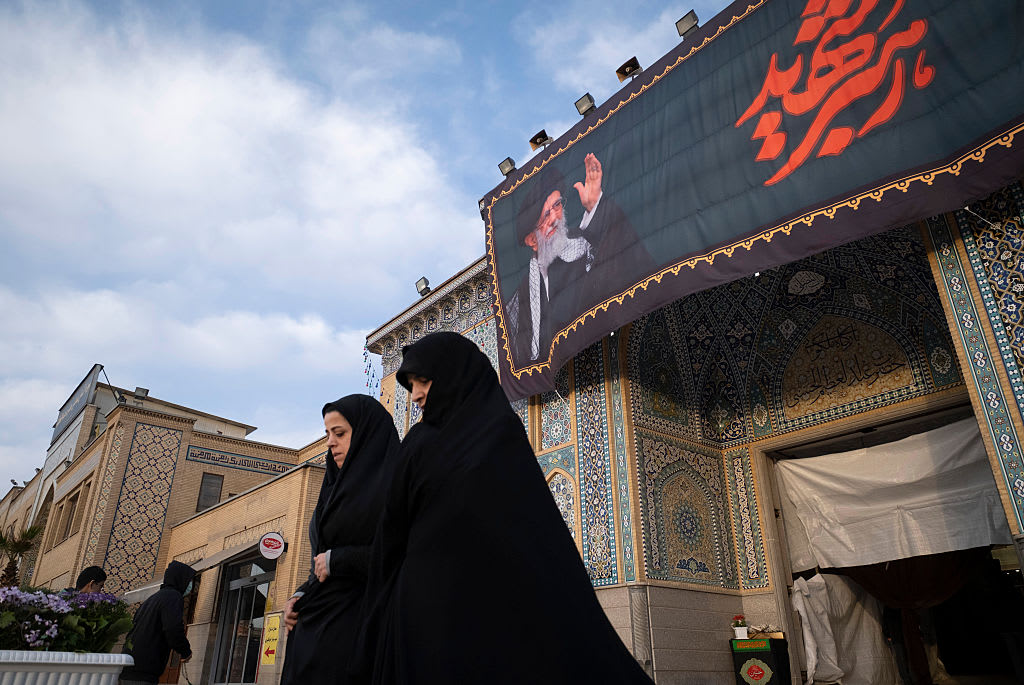
The official said the U.S. believes Iran's supreme leader has approved the template for a deal, but a final agreement still needs to be made before anything is signed. They said it is still an open question as to whether that will come to fruition.
Even before Operation Epic Fury, the Iranian system was "frustratingly slow and opaque," the official said, and it has only become more so since.
The official added that any final agreement that is reached would take several days to work its way through the system, and that even if they had formalized the agreement, nothing would be signed today.
The deal agreed to in principle will be a two-step process, with the immediate opening of the Strait of Hormuz in exchange for lifting the U.S. blockade, followed by negotiations on a mechanism for Iran to give up various parts of its nuclear program, the official said.
The U.S. wants Iran to commit to disposing of highly enriched uranium and to resolving other nuclear issues, the official said. The official said the administration believes this is a better deal than the one agreed upon in 2015 under former President Barack Obama, which allowed nuclear enrichment up to a certain level.
Officials were still working through details of the mechanism for how the uranium would be disposed of with the people who have been empowered by the supreme leader to negotiate.
No decisions have been made yet on unfreezing Iranian assets, according to the senior official, but any sanctions relief would be commensurate with the actual delivery of what the U.S. asks for in terms of meeting the president's national security objectives.
The official also said "I think we're actually in a very good place" for a deal, and that they believe they can get the Strait of Hormuz opened and meet the president's objectives related to nuclear material.
Vice President JD Vance, Middle East envoy Steve Witkoff and President Trump's son-in-law Jared Kushner have been involved in the negotiations. The U.S. is trying to involve every Middle Eastern ally, the official said.
Mr. Trump said Saturday that the peace deal is "largely negotiated," but he posted on social media one day later that he told his representatives "not to rush into a deal" and "time is on our side."
The difference between now and before the first six-week military campaign took place is that the Iranians are now making some "serious accommodations" on points that they were not willing to negotiate on before, according to the senior official.