Federal Reserve holds interest rates steady even as inflation remains high
The Federal Reserve held interest rates steady on Wednesday after hiking borrowing costs in September to clamp down on inflation.
The central bank left the federal funds rate at a target range of 3.75% to 4%, keeping it unchanged after raising rates last month for the first time in three years.
In a statement, the Fed said economic activity is growing at a "strong pace" while acknowledging that inflation remains elevated.
"The accumulation of more information will help the Committee determine the policy stance appropriate to ensure a timely return of inflation to the Committee's 2% goal," Fed officials said.
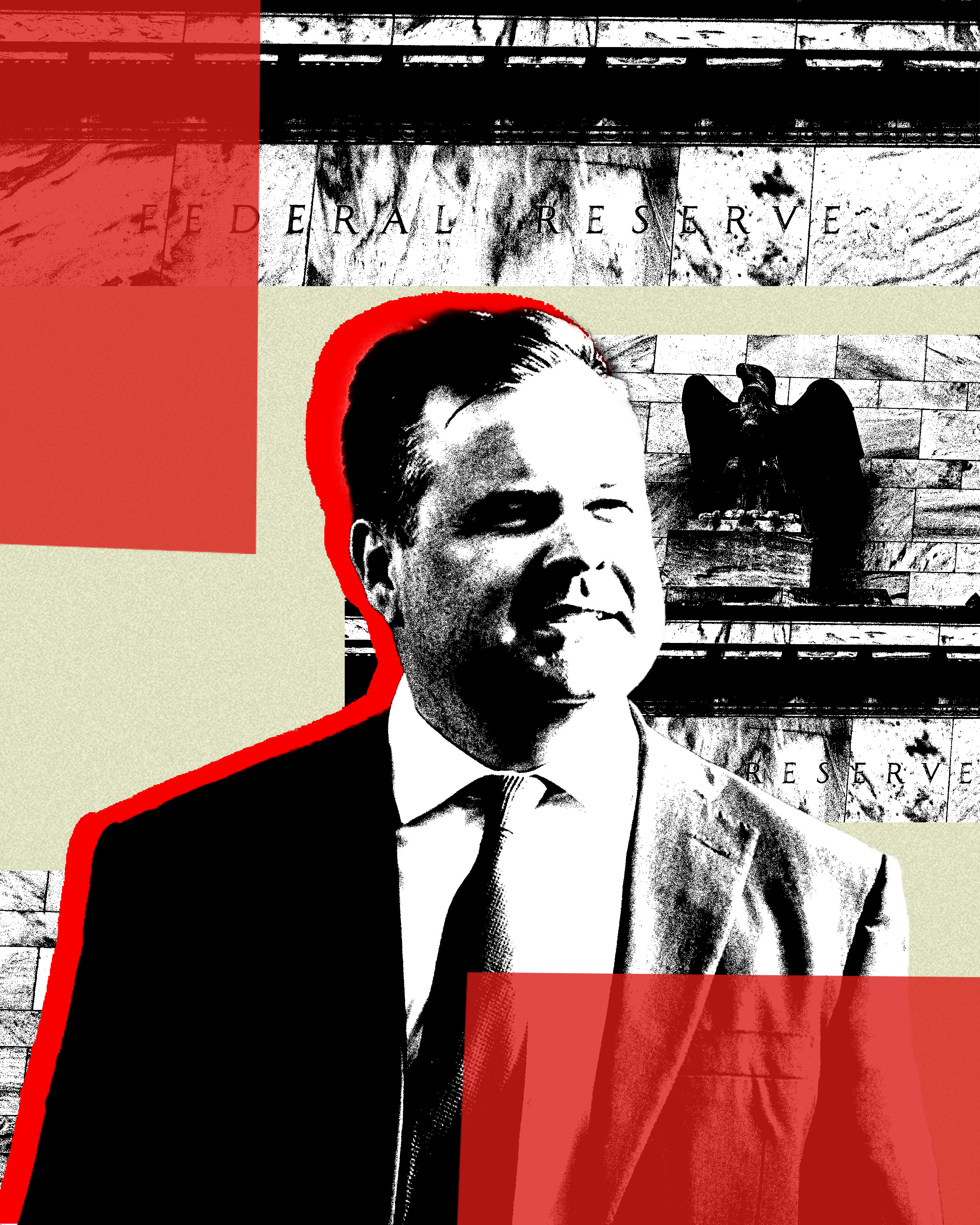
Fed Chairman Kevin Warsh will discuss the decision at a press conference at 2:30 p.m. EDT. Since taking the reins as Fed chief from Jerome Powell in May, Warsh has emphasized the Fed's commitment to restoring price stability and vowed to bring inflation back down to its 2% target.
The Fed's benchmark rate is its main weapon for stabilizing consumer prices, which have crept up in recent months. The latest rate decision comes less than a week before Americans head to the polls for the midterm elections, where affordability issues will be top of mind for voters. President Trump has long urged the central bank to ease borrowing costs.
Two dissents
Ten members of the Federal Open Market Committee, which sets interest rates, voted to hold the benchmark rate steady. Two FOMC members — Fed Board Governor Lisa Cook and Cleveland Federal Reserve Bank President Beth Hammack — voted to raise it by 0.25 percentage points.
Investors and Wall Street analysts widely expected the Fed to remain on hold in October, but many economists think policymakers will raise rates at their last meeting of the year in December and again in 2027.
"The two hawkish dissents, the wording of the policy statement, and prior comments from officials all suggest the central bank will hike rates in December," Michael Pearce, chief U.S. economist for forecasting firm Oxford Economics, said in an email following the Fed's decision.
Samuel Tombs, chief U.S. economist at investment advisory firm Pantheon Macroeconomics, said financial markets are pricing in an additional 0.75 percentage points of tightening over the next year as the Fed tries to douse inflation.
The Iran war has kept global energy costs elevated, making it harder to bring down prices in the U.S. Last month, the closely watched Consumer Price Index rose at a 3.7% annual rate; core inflation, which strips out volatile food and energy prices, rose 2.6% from a year ago. Both measures were above economists' expectations.
Solid economic growth and steady consumer spending are also exerting upward pressure on prices, complicating the task of taming inflation, according to economists.
What does this mean for your money?
The federal funds rate — what banks charge each other for overnight loans — influences the cost of borrowing across the U.S. economy. A rate hike can spur higher borrowing costs for bank loans, credit cards and auto loans, while boosting returns for savings accounts.
While the Fed held interest rates steady on Wednesday, consumers may yet face higher borrowing costs. Matt Schulz, a chief consumer finance analyst at LendingTree, said it's possible some loan rates could continue to climb heading into the holiday shopping season.
"Even though the Fed is leaving rates alone this month, it might raise rates again at its last meeting of the year in December," Schulz said in an email ahead of the Fed's decision. "That is far from guaranteed, but it is something that Americans should be aware of. It means that the debt they run up during the holidays could get a little more expensive to pay off before the year ends, through no fault of their own."