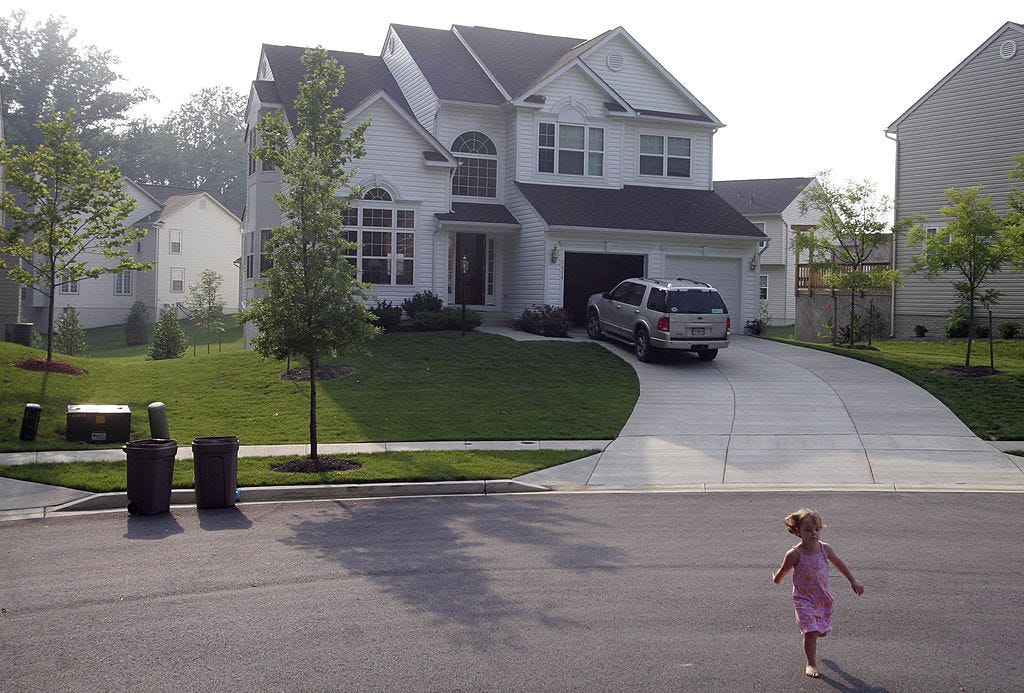
Americans need help affording homes. Can Congress deliver?
With voters pressing for relief from high costs in the midterm elections, lawmakers may face more pressure in 2027 to focus on bipartisan housing proposals that would lower the cost of buying a home.
In recent years, rising home prices, tight inventory and high mortgage rates have locked out many would-be first-time homebuyers. Three-quarters of prospective property buyers said that financial hurdles, such as rising borrowing costs, have prevented them from buying a home this year, according to a July survey from financial services firm FICO.
Some lawmakers from both parties have already introduced bills aimed at helping Americans achieve homeownership, with the proposals focused on reducing upfront costs. The midterm elections, which flipped control of both the Senate and House to the Democrats, could give those proposals fresh momentum in 2027.
"This is kind of one of those rare pockets where everyone can agree housing is expensive — 'We got to do something,'" Kate Wood, a lending expert at NerdWallet, told CBS News.
One Democratic-led proposal would provide up to $20,000 to first-generation homebuyers and up to $25,000 to low-income households to cover down payments. Another bipartisan bill, introduced in February, would permit first-time homebuyers to funnel unused education savings toward a down payment.
Experts outside of Congress are also pitching possible solutions. Lael Brainard, who served as the director of the National Economic Council during the Biden administration, has advocated for lowering the down payment to $1,000, while Ted Tozer, president of Ginnie Mae under former President Obama, has argued for zero-down mortgages for certain borrowers.
Inspiration from the ROAD Act
Lawmakers are likely to want to build on the success of the 21st Century ROAD to Housing Act, a landmark bipartisan housing bill passed last year aimed at boosting housing supply and bringing down costs.
Given that much of the regulatory and zoning action occurs at the state and local levels, Wood expects Congress to focus, in part, on offering incentives to local governments to encourage more construction and affordable housing, as it did with the ROAD Act.
One proposal that housing analysts are watching is the Bipartisan American Affordability and Jobs Act of 2026, a bill introduced in September that focuses on permitting reform, including making it easier to receive permits for some housing developments.
"At its core, the bill is about permitting energy and infrastructure projects and getting them approved faster," said Jake Krimmel, a senior economist for Realtor.com.
The Senate voted to approve BAAJA, as it is known, earlier this week.
Hurdles facing Democrats
Democrats have historically been more focused on providing direct support for first-time homebuyers and on increasing federal spending on housing programs, Dennis Shea, a housing policy expert at the Bipartisan Policy Center, said in an email to CBS News.
"Expect more substantial appropriations for housing than a Republican-controlled Congress would deliver, and more 'demand-side' initiatives like down payment assistance," Shea added.
Aside from the bill that would provide down payment support for first-generation and low-income homebuyers, Rep. Raja Krishnamoorthi, a Democrat from Illinois, has proposed a new refundable tax credit of up to $25,000 for qualified first-time homebuyers, delivered in chunks of up to $5,000 over five years.
Even with Democrats vowing to tackle affordability, they may be limited in what they can achieve, experts say.
Despite having a Democratic majority in the Senate and House, President Trump could veto anything they pass. Lawmakers would need a two-thirds majority in both chambers to block a veto, which would require them to muster bipartisan support.
"Despite their significant electoral gains during the recent election, Democrats still need buy-in from the White House and at least four Republican senators to move legislation over the legislative finish line," Shea said.