Catholic conversions rising: Inside the Catholic Church's quiet revival
For more than two decades, the numbers told a story of decline. Adult conversions to Catholicism had been falling steadily since the early 2000s, according to data compiled by Georgetown University. Weddings, baptisms, and even funerals registered fewer and fewer Catholic participants. The church appeared to be losing its hold on American life.
Then something shifted.
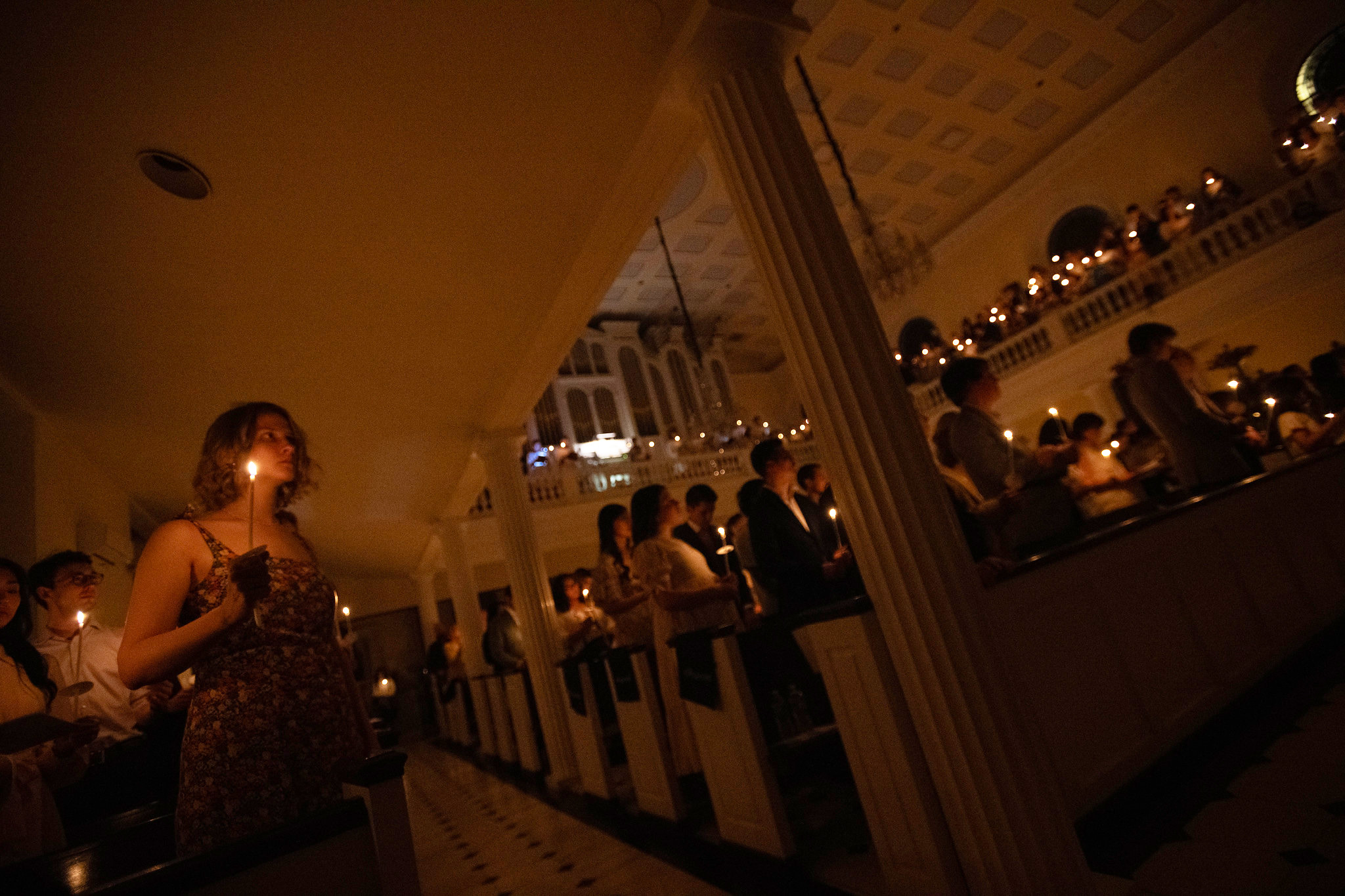
Since around 2022, dioceses across the country have reported a reversal of that trend, with growing numbers of Americans — particularly Millennials and Gen Z — choosing to join the Catholic Church. This past Easter, some archdioceses recorded their highest number of new Catholics in two decades.
"The number of those joining the church this year is a record for the archdiocese, which is a wonderful thing," said Cardinal Robert McElroy of Washington, D.C., who noted that some 1,800 new Catholics were welcomed at this year's ceremony at the National Shrine of the Immaculate Conception. "We're seeing this across the country."
60 Minutes spoke with three of the nation's most senior Catholic leaders — Cardinal McElroy, Cardinal Joseph Tobin of Newark, New Jersey, and Cardinal Blase Cupich of Chicago — to understand what might be driving the renewal.
A hunger for meaning
The cardinals acknowledge they don't have a complete explanation. Cupich said his archdiocese is actively surveying new members to understand their motivations, but he offered an early read.
"Research is showing that there really is a deep hunger in the hearts of young people for something that can help them with the meaning of life," Cupich said. "But also, there's a woundedness on the part of young people that they are seeking healing for."
McElroy pointed to what he sees as a perceived vacuum of moral authority in public life.
"What a tragedy to have a world in which there are not moral leaders," he said. "I think young people, and young adults particularly, are looking for a sense of that in their lives. And some of those are coming into the church for that reason."
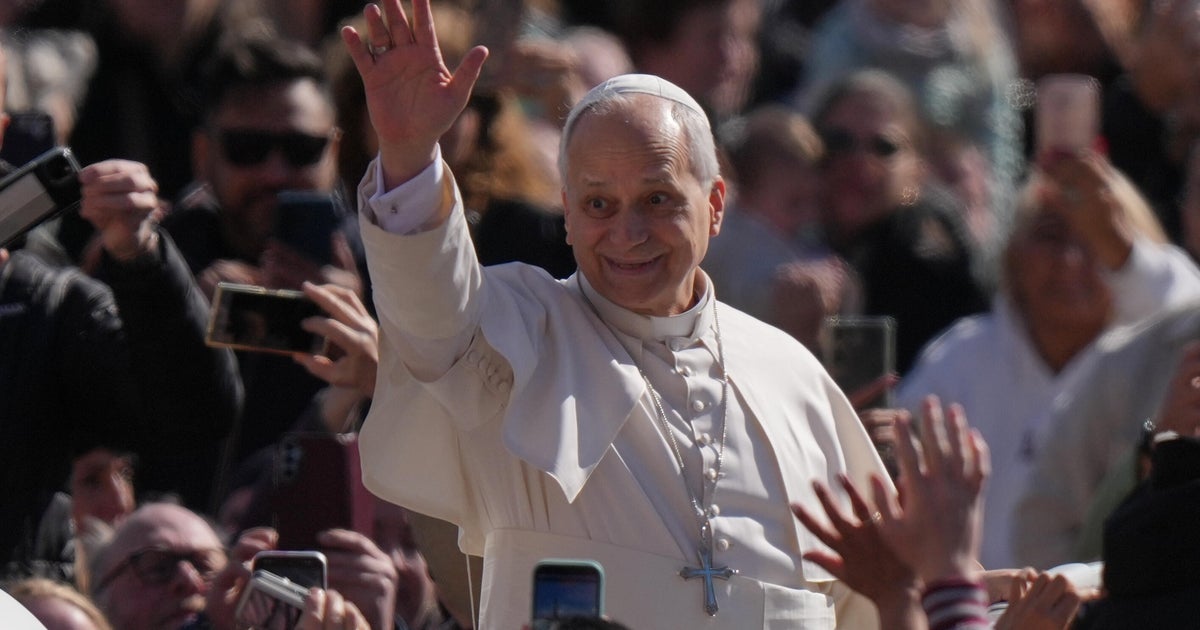
Tobin went further, suggesting that Pope Leo himself — the first leader of the Catholic Church born in the U.S. — deserves some of the credit.
"I've had the privilege of working closely with four popes, and very different people in a lot of ways," Tobin said. "But each one in some way was the right one for that moment in time. And I believe that Pope Leo is the right man at this time."
The shadow of the abuse scandal
Any honest accounting of the church's recent history must reckon with the clerical sexual abuse scandal, which drove Catholics away and, in the view of many, stripped the institution of its moral credibility. The question of how the church can now reassert moral leadership is one the cardinals addressed directly.
"It prompts us to be even more forthright in doing everything possible to protect children, but also to address the harm that was done," Cupich said. "That is something that's always on the front burner for us."
Cupich also argued that the years of decline cannot be attributed to the scandal alone. Broader forces of secularization, he said, have reshaped religious participation across faiths. "People have a lot more options on Sunday and on the weekend than they did before. So, I think there are a number of factors that contributed to that decline."
Who is converting and why
A Pew Research Center study from last year found that converts represent roughly 8% of the approximately 53 million Catholics in the United States. Most say they came to the church through marriage; others cite spiritual reasons or the influence of people close to them. The numbers, while growing, remain a relatively small share of the overall Catholic population.
But the cardinals suggest the more significant story is one of identity, how Catholic Americans understand their role in the nation.
With the country approaching its 250th anniversary, all three leaders were asked what patriotism means to them. America, they argued, is defined not by borders or bloodlines but by its ideals.
Cupich framed it in terms that the church has long applied to questions of immigration and social justice.
"Patriotism is about being united in the common task of creating the opportunities for everyone to flourish," he said. "That is part of the aspirations that immigrants came here with, just an opportunity to have a fresh start. How can we work together to make sure that everybody has an opportunity to flourish? I think that's patriotism."
McElroy argued that American Catholics love the U.S., not because it is their birthright. Instead, patriotism means loving the country because of its goals of "democracy, justice, equality, of freedom" that have defined it.
"So for us as Catholic Americans," McElroy said, "we love our country because of what it aspires to be and has for the past 250 years."
The video above was produced by Brit McCandless Farmer and edited by Scott Rosann.
Photos and video courtesy of Vatican Media, Getty Images and St. Patrick's Cathedral.