Can you buy gold bars and store them at home?
Gold prices have rocketed to extraordinary levels over the last few years, and after surpassing numerous price milestones, the price of gold is now sitting at its latest record high of over $4,639 per ounce. This latest gold price uptick has been driven, in part, by unprecedented demand resulting from persistent economic uncertainty, geopolitical instability and investor concerns about currency devaluation. And, as the price surge continues, more investors are viewing precious metals as an essential portfolio component, not just a hedge but a primary wealth preservation strategy.
But owning gold isn't as simple as just clicking "buy" on an investment platform. Unlike stocks or bonds that exist primarily as assets in a brokerage account, buying and owning physical gold requires real-world decisions about storage, security and safekeeping. Some investors opt to hold their gold in secure third-party vaults or gold individual retirement accounts (IRAs), while others are drawn to the idea of keeping their investment close at hand in their homes, where their physical gold assets are easily accessible.
Can you really buy gold bars and store them at home, though? Or do you need to find an alternative method of storage for these high-value precious metal assets? That's what we'll explain below.
Start adding gold and other precious metals to your investment portfolio now.
Can you buy gold bars and store them at home?
Yes, you can legally purchase gold bars and store them at home in the United States. There are no federal restrictions that prevent individual investors from buying physical gold and keeping it on their property. You can purchase gold bars from precious metals dealers, both online and in person, from banks (in some cases) or through coin shops and auction houses.
Gold bars typically come in various sizes, ranging from 1-gram bars up to 400 ounces (the standard "good delivery" bar used in professional markets). For individual investors, bars between 1 ounce and 10 ounces are most common. At current prices, though, even a single one-ounce bar represents a substantial investment.
And, physical gold prices are typically even higher than that, as they include both the spot price and a premium that covers manufacturing, distribution and dealer markup. As a result, gold bar prices are typically several percentage points higher than the spot price, depending on the type of gold bar, the size and the dealer.
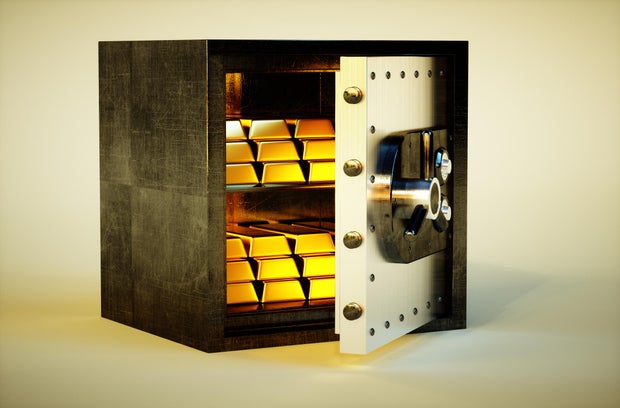
When storing gold at home, you'll need to think seriously about security. A quality safe is essential, and you'll ideally have one that's fireproof, waterproof and bolted to your home's structure. That's why many homeowners opt for floor safes or wall safes that are difficult to access and remove. You should also avoid placing them in obvious locations like bedroom closets or under mattresses.
Insurance is another critical consideration if you're planning to keep your gold bars at home. Standard homeowners' insurance policies will typically have strict limits on precious metals coverage, regardless of the actual value. With gold prices as high as they are now, though, even a modest holding quickly exceeds these limits. So, you'll need to purchase additional coverage, which comes at an extra cost.
Documentation matters, too. If you want to take this route, be sure to keep all purchase receipts, certificates of authenticity and appraisals in a separate secure location from the gold itself — preferably in a bank safety deposit box or fireproof document safe. You'll need these records for insurance claims and to prove ownership if theft occurs.
Take steps to diversify your portfolio with gold today.
Is home storage the right choice for your gold investment?
Home storage offers immediate access and complete control over your gold, but it comes with tradeoffs that professional storage solutions address differently. While the psychological comfort of having your investment within reach may appeal to you, this convenience shifts considerable responsibility onto you as the owner.
Security risks extend beyond theft. Fire, flooding and natural disasters can threaten home-stored gold, even if it's held within a protective safe. Having valuable gold at home may also increase your liability and some insurance companies require specific security measures, including alarm systems and particular safe ratings, before they'll provide coverage, especially for high-value holdings.
In turn, opting for allocated storage with professional vault services can make sense in many cases. While this comes at an extra cost, it includes comprehensive insurance and strong security measures to keep your gold safe. For investors holding larger quantities of gold, professional storage may also be more cost-effective than maintaining adequate home security and insurance.
The bottom line
Buying and storing gold bars at home is perfectly legal and often appeals to investors who value direct control over their assets. However, at current price levels near $4,640 per ounce, successful gold home storage requires significant investment in proper safes, enhanced insurance coverage and robust security measures. So, before committing to home storage, carefully weigh the ongoing costs and risks against professional storage alternatives that may ultimately provide better security and peace of mind.