Southern Minnesota police officer's death puts spotlight on first responders' mental health
The unexpected death of a southern Minnesota police officer is provoking fresh conversations and concerns about mental health among first responders.
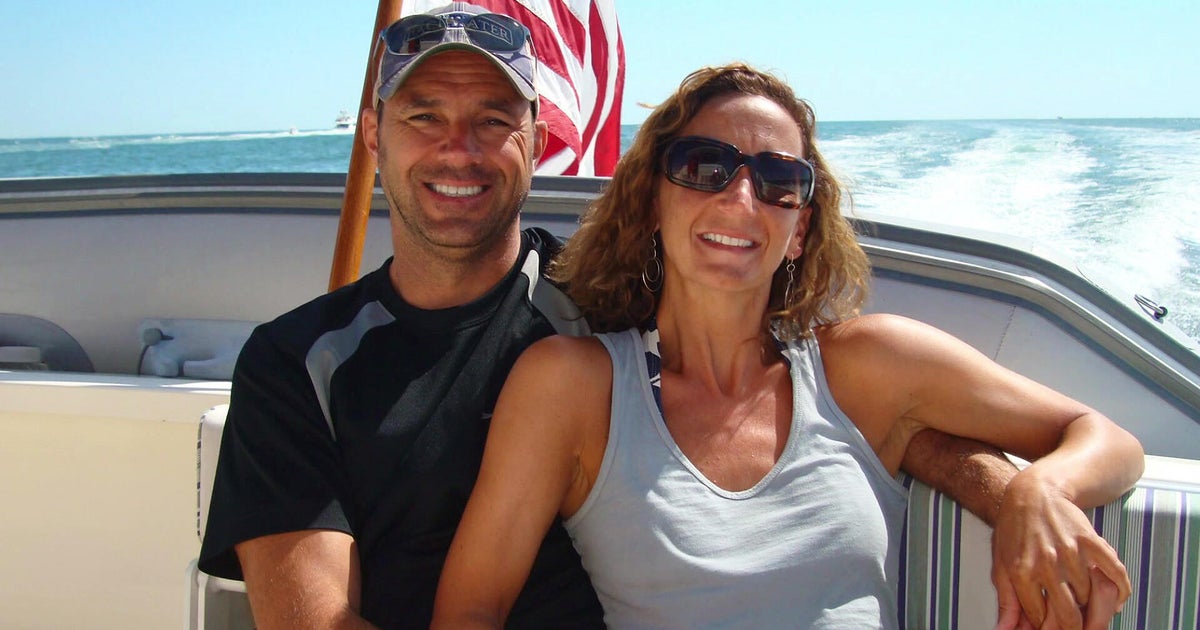
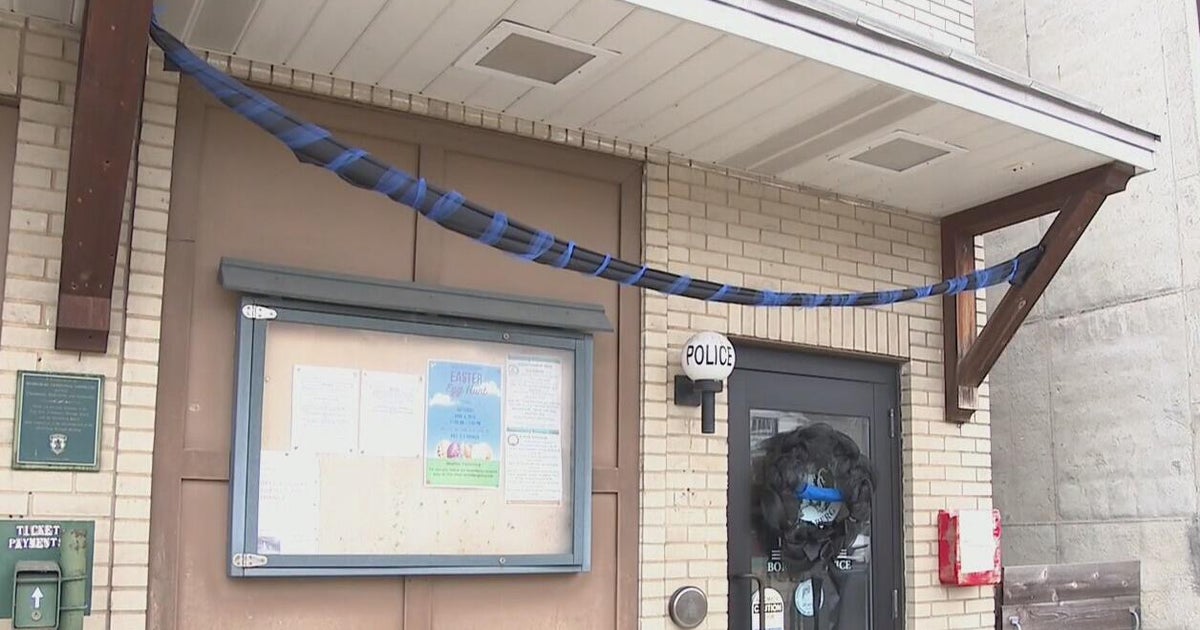
The Le Sueur Police Department on Monday announced the passing of Karl Haugen, 41, who the department said served the Le Sueur-Henderson community since 2008.
Karl Haugen first spoke of being a first responder as early as high school, according to brother Mikkel Haugen.
"He took his service and his work very seriously," Mikkel Haugen said. "My oldest brother and I did athletics in college and Karl wanted to work. He wanted to be in public service. That was his thing."
According to Karl Haugen's family, he worked for the state and also as a corrections officer in Faribault before working for Le Sueur police in both part-time and full-time capacities.
"We always laughed because as a brother, he was a goofball and almost awkward," Mikkel Haugen said. "His sense of humor pushed the boundaries, but then you would hear all these stories about him being wonderful in tough situations. Working night shifts as a cop, that can be a lonely time. The schedule doesn't allow you to be at all the family holidays. That's what he sacrificed for the people and their safety, those shifts."
Police officers and sheriff's deputies held a processional for Karl Haugen on Wednesday as his body was transported from a medical examiner's office in Anoka County to a funeral home in Owatonna. His funeral will be held on Aug. 31.
"Mental health is just so all-encompassing that yes, his role as a first responder absolutely played into my brother losing his life," Mikkel Haugen said. "It's deep and bigger than just his job, but you can't ignore the stresses that were put on him."
If you or someone you know is in emotional distress, get help from the Suicide and Crisis Lifeline by calling or texting 988. Trained crisis counselors are available 24 hours a day to talk about anything.
In addition, help is available from the National Alliance on Mental Illness, or NAMI. Call the NAMI Helpline at 800-950-6264 or text "HelpLine" to 62640. There are more than 600 local NAMI organizations and affiliates across the country, many of which offer free support and education programs.