South Florida shoppers are cutting back on what they buy in grocery stores as prices up nearly 21% since 2022

Grocery prices are nearly 21% higher than they were in 2021, and shoppers in South Florida are changing how they fill their carts to keep up.
According to the Consumer Price Index, the cost of food at home rose nearly 21% from January 2021 to June 2024. That means groceries that cost $100 in January 2021 ran close to $121 this past June.
And that money adds up.
"The average family of four spends about $1,000 a month on groceries," said NerdWallet's Sara Rathner. "So it's a huge line item in people's monthly budgets. And because it's not a fixed cost like housing or a car payment, there are things people are doing to try to lower those costs, adjusting what they buy at the store."
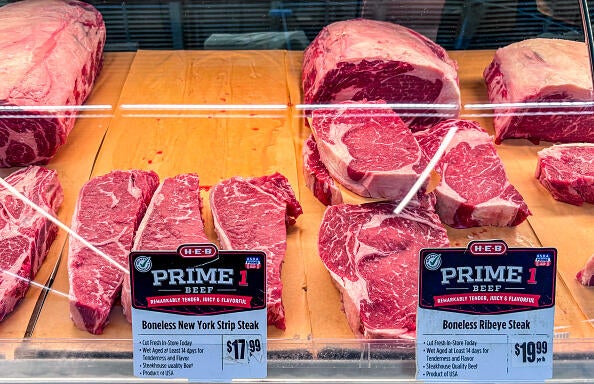
The Federal Reserve reports grocery store customer traffic is down 1 to 2% over the last year. Some items have climbed sharply. A CBS News analysis found sirloin steak cost $10.83 a pound in January 2022. This summer, that same cut ran $14.45 a pound. The U.S. Department of Agriculture expects prices for fresh vegetables to increase nearly 7% this year.
"There's no way around it anymore," shopper Anthony Reuss told CBS News Miami. Reuss said he had already cut back. "I used to buy lunch meat, steak. Certain steaks went through the roof, so I cut back on steak," he said. "You have to shop around and be smart, man."
Rathner said the financial pressure is real for most households. "One thing I always tell people is when you're at the store, and you're looking at the price tags on the shelf, don't just look at the final price — look at the per unit or per ounce price, because the item that actually costs the least per unit or per ounce might surprise you," she said. "It might be the brand name; it might be the store brand. It might be the larger package; it might be the smaller package. It really depends on what's on sale that week. Look at that smaller number on the tag — that can tell you a lot about where you can save."
Rathner said there are other ways to bring down grocery spending. She recommends adjusting what you buy, cooking differently, and shopping seasonally. Frozen produce, she said, can save money and cut down on food waste compared to fresh.
Buying in bulk can also help, but Rathner said it requires discipline. "Buying in bulk can be a really great way to save on groceries," she said. "You just want to be mindful of food waste. Pay attention to those expiration dates — because if you buy too much of something and end up throwing it away, you're wasting money."
For shoppers without bulk memberships or storage space, Rathner pointed to more traditional options. "Clipping coupons and paying attention to store circulars are all great moves," she said. "It's really about combining multiple ways to save. In addition to the coupons and the store circulars, join the store's loyalty program. You're going to get savings at the store. They'll also mail you coupons that match your typical spending patterns."
Cash back apps are another option, though Rathner noted most take time to pay out before shoppers see any savings.
With grocery prices still elevated and the USDA projecting further increases in fresh produce costs, shoppers may need to keep layering those strategies to stretch their budgets.