Flesh-eating New World screwworm sparks emergency action in Florida after parasite reaches Texas
Florida has enacted emergency rules aimed at keeping the destructive New World screwworm out of the state after the flesh-eating parasite was detected in Texas just days ago.
The Florida Department of Agriculture and Consumer Services announced Friday that it is temporarily restricting the import of warm-blooded animals from areas affected by the parasite and imposing new inspection requirements to protect the state's livestock industry.
Under the emergency rules, Florida will not accept any warm-blooded animals from infested zones at least through June 10. After that date, animals entering the state must be certified by Florida officials at least two days before arrival and inspected by a veterinarian within five days of transport.
State officials said animals arriving from designated "high-risk" areas without the required certificates of veterinary inspection will be quarantined and suppliers fined. Animals coming from infested zones will be denied entry at the state border.
"We are going to need a unified front from the government, our agricultural community, and the public to respond to this threat," Agriculture Commissioner Wilton Simpson said in a statement posted on X.
What is the New World screwworm and why is it a concern?
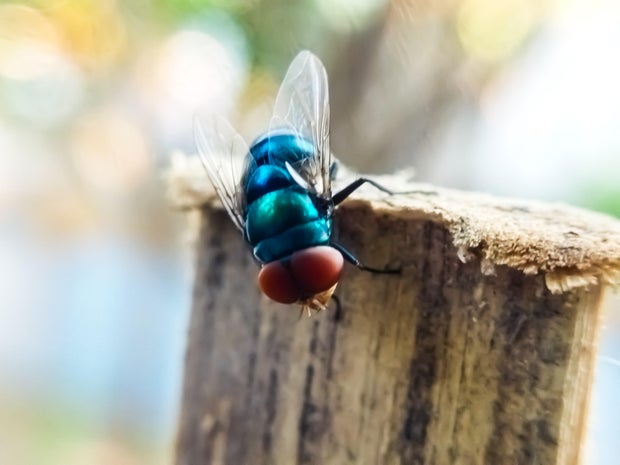
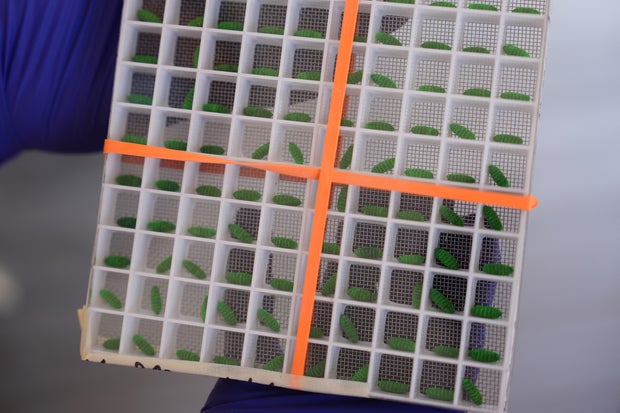
The New World screwworm is a parasitic fly whose larvae feed on living tissue after eggs are deposited in wounds or natural body openings of warm-blooded animals, according to the U.S. Centers for Disease Control and Prevention.
The pest was eradicated from the United States in 1966, though a small outbreak occurred in the Florida Keys in 2017. Days ago, federal officials confirmed the first U.S. case in years when the parasite was found in a calf in Texas after steadily advancing northward through Central America and Mexico.
While the screwworm poses a serious threat to livestock, experts stress it is not a food safety concern.
"The screwworm does not affect the quality of the beef and is not a food safety issue," said Pat Durden, a former president of the Florida Cattlemen's Association who owns cattle herds in Florida's Panhandle.
The U.S. Department of Agriculture has said the parasite cannot be spread through meat, poultry or dairy products.
Florida cattle industry braces for potential economic impact
Even so, an outbreak could have major economic consequences for ranchers and dairy producers. Florida was home to about 1.5 million head of cattle in 2022, according to the Census of Agriculture, and the state's cattle ranching and dairy industries generated more than $2 billion in sales that year.
Durden said ranchers across the state will need to closely monitor their animals for signs of infestation.
"We're going to have to be diligent and check our livestock and report any potential infestation and get them quarantined and treated as quickly as possible so we can kind of maintain some normalcy in commercial trading," Durden told the News Service of Florida. "I don't think anybody should be extremely worried."
Florida ranchers say they have a plan to respond
Durden said the Florida Cattlemen's Association has been discussing the threat with the Florida Farm Bureau and state agriculture officials for more than a year.
"We have a plan," he said. "I trust the leadership in the commissioner's office and his team with the state veterinarian. … I think we're in a good place, as good a place as we can be in."