Los Angeles Angels, Tyler Skaggs' family reach settlement in wrongful death lawsuit
The Los Angeles Angels on Friday settled a lawsuit over the drug overdose death of pitcher Tyler Skaggs.
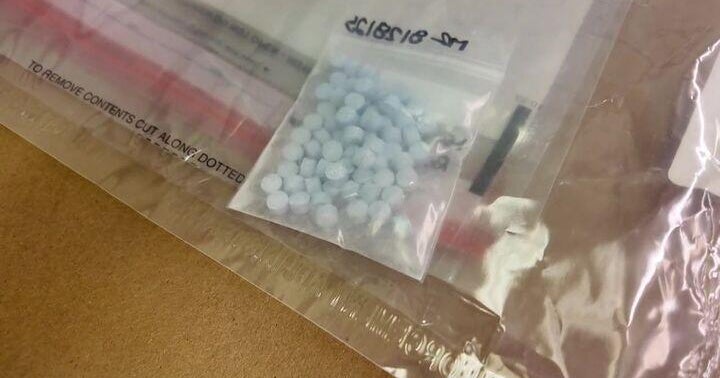
The decision to settle was reached after a two-month civil trial in Southern California over whether the Angels should be held responsible for Skaggs' 2019 death after he snorted a fentanyl-laced pill provided by the team's communications director, Eric Kay.
"The death of Tyle Skaggs remains a tragedy, and this trial sheds light on the dangers of opioid use and the devastating effects it can have," the Angels organization said in a statement on Friday. "Throughout the course of court proceedings, both parties searched for a path to a mutually agreed upon resolution and a confidential settlement has been reached."
Skaggs' widow, Carli, and his parents filed a lawsuit alleging the MLB team knew or should have known Kay was a drug addict and was dealing painkillers to players. The team contended officials didn't know Skaggs was taking drugs and would have sought him help if they did.
"We are deeply grateful to the members of this jury, and to our legal team," the family said in the statement. "Their engagement and focus gave us faith, and now we have finality. This trial exposed the truth and we hope Major League Baseball will now do its part in holding the Angels accountable. While nothing can bring Tyler back, we will continue to honor his memory."
Attorneys representing the Skaggs family and the Angels organization presented their closing arguments on Monday and jurors began deliberation on Tuesday.
Orange County Superior Court Judge H. Shaina Colover thanked jurors for their diligence. "That is why this matter was able to be resolved today," she said, before releasing them.
Six years ago, the 27-year-old left-handed pitcher was found dead in the suburban Dallas hotel room where he was staying as the Angels were supposed to open a four-game series against the Texas Rangers. A coroner's report said Skaggs, 27, had choked to death on his vomit, and a toxic mix of alcohol, fentanyl and oxycodone was in his system.
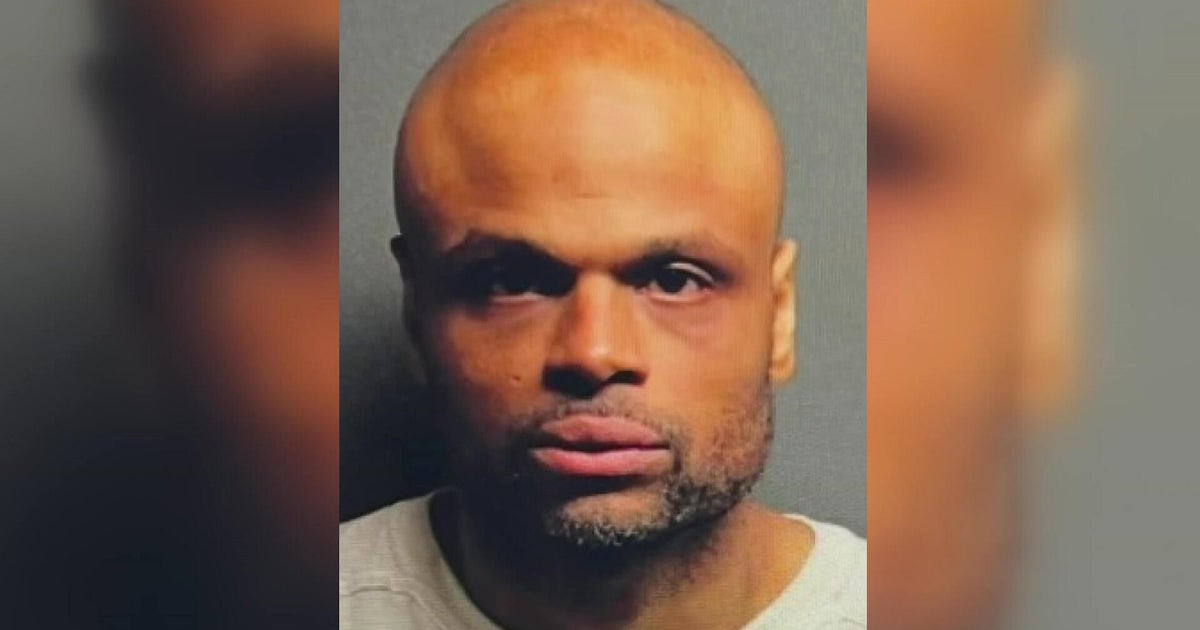
Kay was convicted in 2022 on one count each of drug distribution resulting in death and drug conspiracy after providing Skaggs with a counterfeit oxycodone pill that was laced with fentanyl. He was sentenced to 22 years in prison that same year following the criminal trial in Texas, which is where Skaggs was found dead inside a hotel room while the team was on a road trip. His criminal trial in Texas included testimony from five MLB players who said they received oxycodone from Kay at various times from 2017 to 2019.
"We believe Tyler Skaggs should be alive today," said Daniel Dutko, the attorney representing Skaggs' parents and widow, during his argument. "We wanted the truth to come out. The same cannot be said of the Angels."
Dutko told jurors that extensive testimony throughout the trial showed that team officials didn't take the appropriate actions when they learned that Kay had multiple bags of pills at home, or that he was hospitalized for drug overdose. Instead, Dutko says, the team let him stay on the job with direct access to players he aimed to keep happy by getting them massage appointments, tee times and prescription medication. He was found to have provided drugs to seven different players on team.
"This is a systematic breakdown over and over and over," Dutko said. "Why do you think the players think it is okay to go to the director of communications to get a prescription medication? Because they believed Eric Kay's job responsibility was to get them whatever they need."
Read more: Los Angeles Angels react to alleged details of Tyler Skaggs' drug abuse
In California, MLB players, including outfielder Mike Trout, Angels president John Carpino, and Skaggs' and Kay's relatives, testified during the trial in a Santa Ana courtroom. Witnesses for the plaintiffs described how Kay was acting erratically at the stadium and found with multiple plastic bags filled with pills at his home and later hospitalized for a drug overdose. They also recounted how Kay got players massage appointments, tee times and even prescription medication, and was paid by players for stunts like taking a fastball to the leg.
Todd Theodora, the attorney representing the Angels, argued that there was no evidence that the team's policy makers knew about the drug abuse. He also said that when they did learn, they fired him. The team's attorneys said Skaggs got his teammates into taking pills and got Kay to provide them, but kept it secret out of concern it could jeopardize their MLB careers. Had team officials known Kay was dealing drugs, or Skaggs was taking them, they would have done something, the lawyers said.
Witnesses also sparred during the case over how much money Skaggs would have made as a pitcher had he lived. Experts for the plaintiffs said he could have reeled in between $91 million and $101 million, while the Angels put the figure at no more than $32 million.
Read more: Reds pitcher Wade Miley accused in court documents of being drug supplier for the late Tyler Skaggs
Skaggs was born in Woodland Hills and played baseball at Santa Monica High School. He was a first-round pick in the 2009 MLB Draft by the Angels. After he was traded to the Arizona Diamondbacks in 2010, Skaggs returned to the Angels franchise in a 2014 trade. He had been a regular in the Angels' starting rotation since late 2016 and struggled with injuries repeatedly during that time.
In the months following Skaggs' death, MLB amended its drug testing policies to include opioids and cocaine. Previous testing was limited to performance-enhancing drugs and banned stimulants.
Before the judge announced the settlement on Friday, jurors had remained behind closed doors after lawyers for both sides had gone to speak with Colover.
Late Wednesday, jurors had sent out a note asking whether they "get to decide the punitive damage amount," saying there is no field for it on the verdict form. The judge said she would send a note replying that if they decide there should be punitive damages, they would decide how much at a later time.
The jury did not work on Thursday and resumed deliberations on Friday morning.